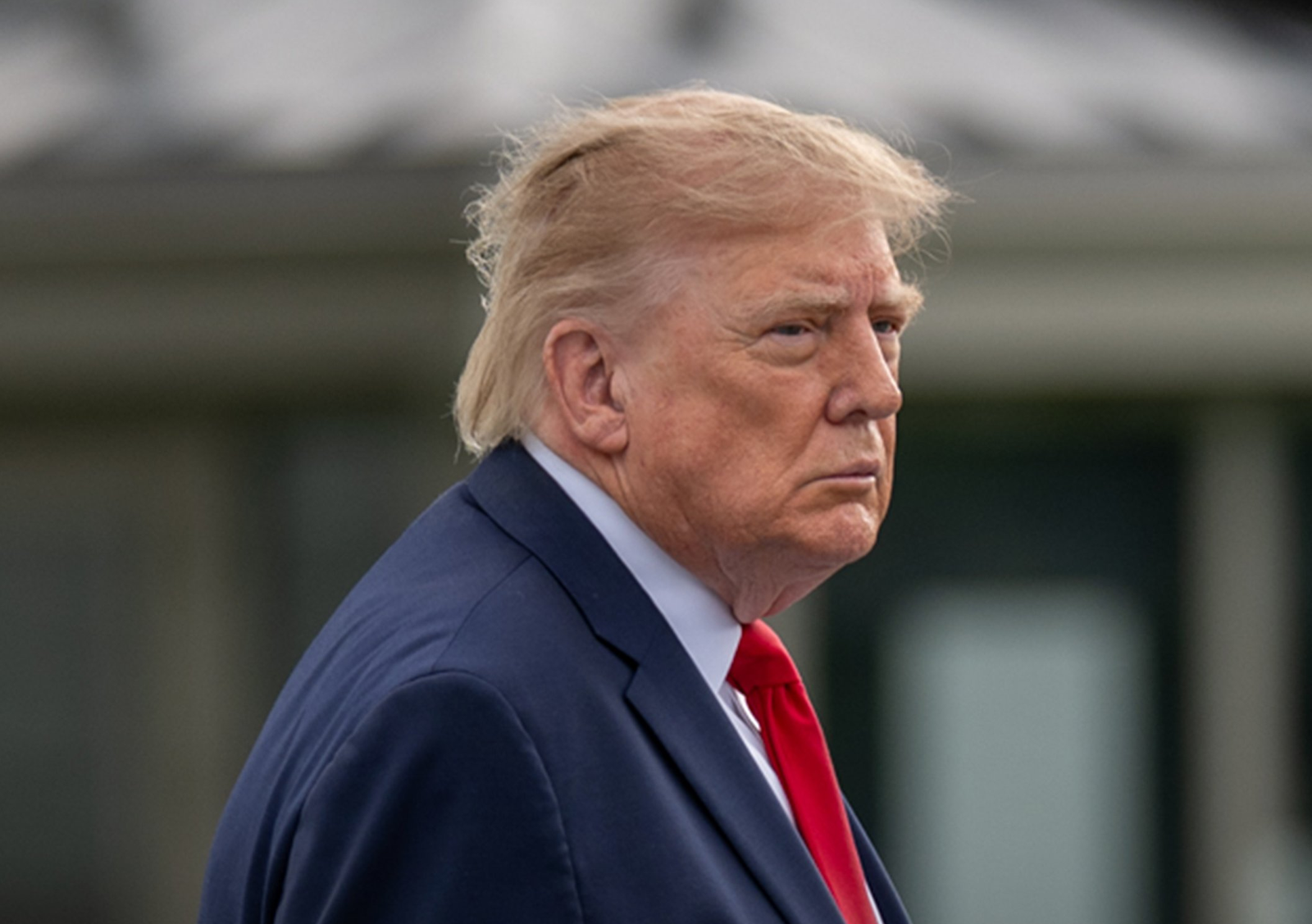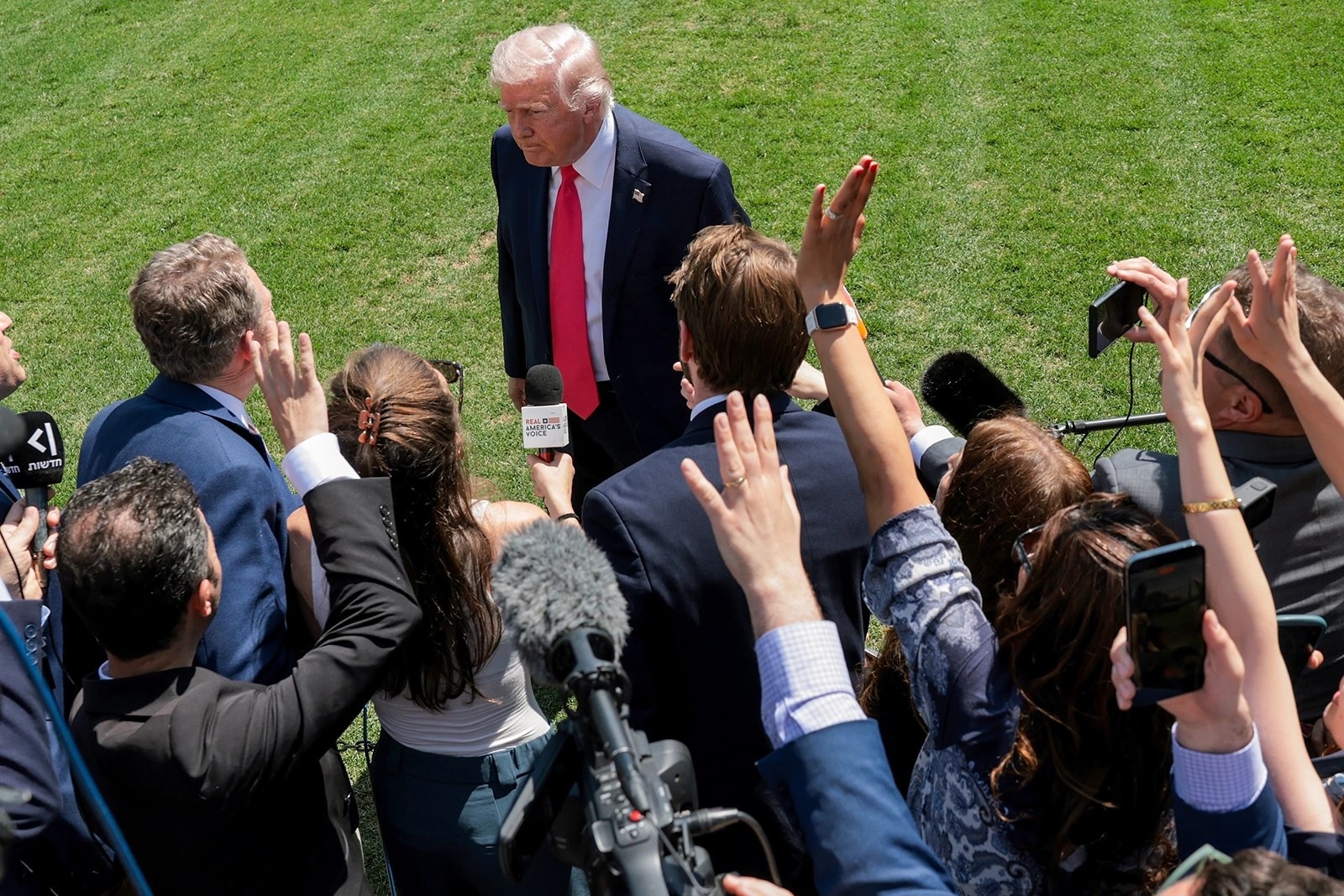
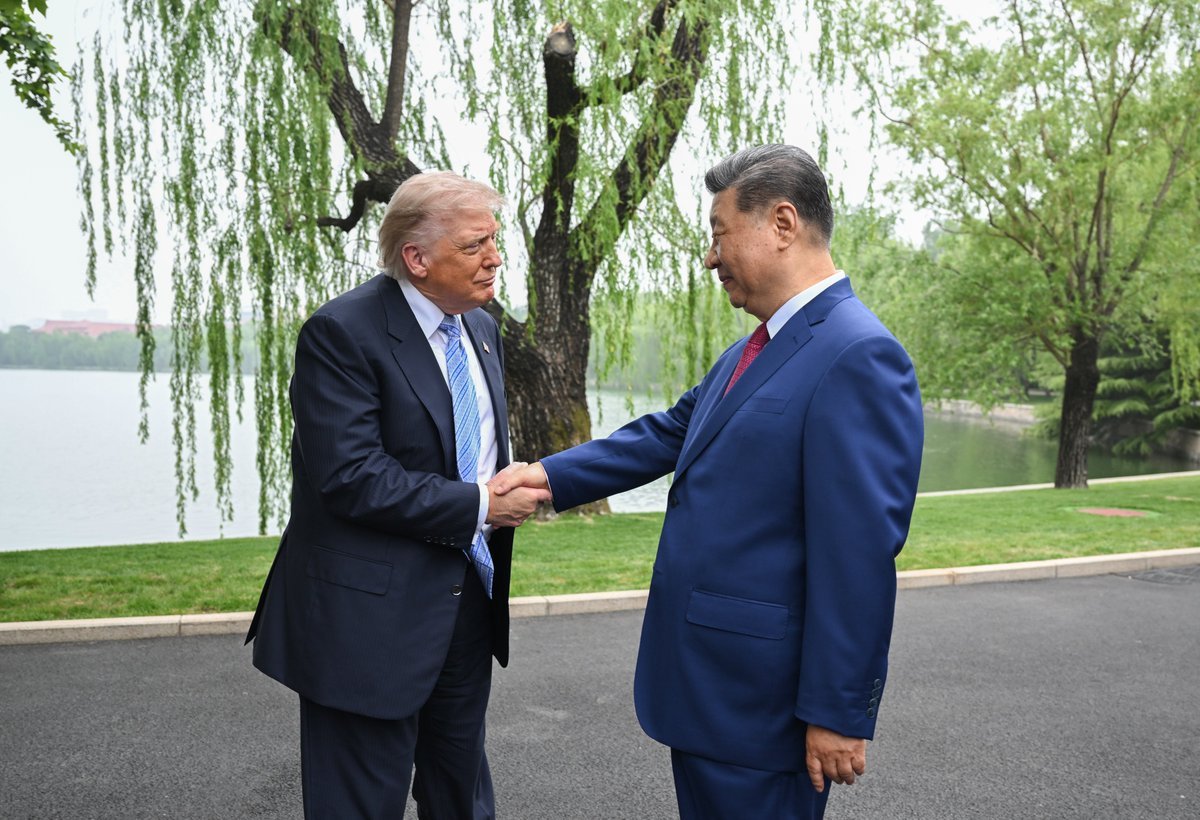
Washington, Aug 2026 : US President Donald Trump has said Chinese President Xi Jinping is expected to visit the United States in two weeks, signalling a potentially significant engagement between Washington and Beijing amid continuing tensions over trade, technology and national security.
Trump disclosed the expected visit while addressing a Republican campaign rally in Myrtle Beach, South Carolina, on Friday. However, he did not provide a specific date, location or details of the proposed agenda for his meeting with the Chinese leader.
“As an example, in two weeks, President Xi of China's coming,” Trump told the gathering.
The US President referred to Xi while discussing plans for a proposed ballroom complex at the White House. Trump said the existing East Room was too small to accommodate major official functions, visiting heads of state and large delegations.
“You know, we have a tiny little room right now. It's been that way for years. It's called East Room, and it seats 88 people,” Trump said.
Trump said he wished the proposed ballroom would already be available when Xi visits Washington. He indicated that construction of the new facility was expected to be completed within roughly a year.
“I wish we had a ballroom, but in a very short period of time, in a year from now, you'll have one of the greatest anywhere in the world,” he said.
Trump also discussed security features associated with the proposed complex, saying the military had sought such infrastructure for decades. He said the project would incorporate measures designed to protect against drones and missiles, along with bulletproof glass.
“The military's wanted this done for 100 years, and presidents have wanted it done for 150 years,” Trump said.
The President also said the US Supreme Court had cleared the way for the White House project to proceed. He thanked the court and the Chief Justice for the ruling, describing the decision as positive for the administration.
“We have a ruling that it's, proceed. When they say proceed, I think that's a good thing,” Trump said.
According to Trump, construction of the project was progressing ahead of schedule and within budget, although he did not provide an estimated cost during his remarks.
His comments about Xi came as Trump defended his administration's trade policies and continued to highlight tariffs as a key instrument for encouraging companies from around the world to manufacture goods in the United States.
“We imposed historic tariffs on foreign goods,” Trump said, arguing that the duties had generated significant revenue while encouraging international businesses to establish production facilities on American soil.
Trump said foreign manufacturers were effectively being given a choice between paying tariffs on goods exported to the US and building factories within the country.
“Come over here and build your cars in the United States,” he said, describing the message delivered to foreign automobile manufacturers.
The President also claimed that approximately $19.2 trillion was being invested in the United States and that the country was experiencing a major expansion in factory construction. However, he did not identify the source of the figure or specify which investments were included in the estimate.
Trump again expressed his enthusiasm for tariffs, calling the term one of his favourites and linking the policy to US economic gains.
“It's my all-time favorite word. I love tariffs. I love the word. It's made us rich as hell,” he said.
The announcement of Xi's expected visit comes against the backdrop of complicated relations between the world's two largest economies. Washington and Beijing remain deeply connected through trade, investment and supply chains, but their relationship has been strained by disputes over tariffs, advanced technology, semiconductor exports, market access and national security.
Any high-level meeting between Trump and Xi could therefore have implications well beyond bilateral relations. Decisions by Washington and Beijing on tariffs, technology restrictions and supply-chain policies can influence markets and manufacturers across Asia and other parts of the world.
For India and other major economies, developments in US-China trade relations are particularly significant because changes in global supply chains, manufacturing investment and commodity markets can create both economic risks and new opportunities.
(Disclaimer :The content of this article is sourced from a news agency and has not been edited by the Mavericknews30 team.)