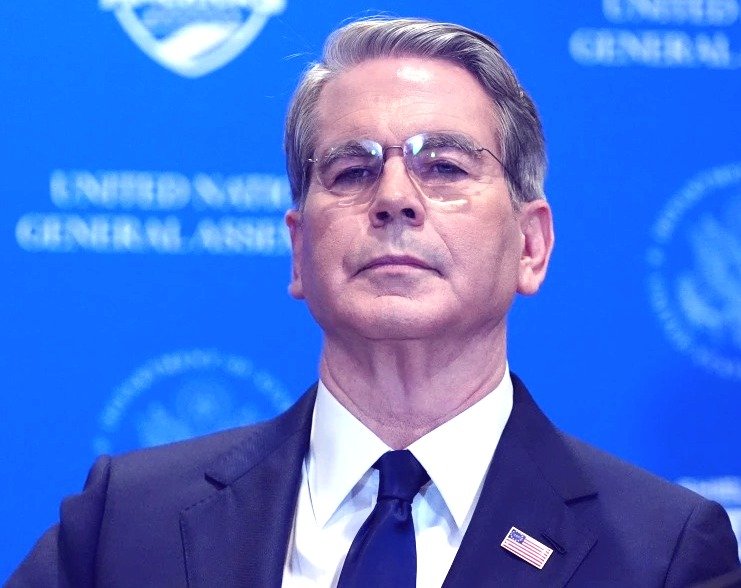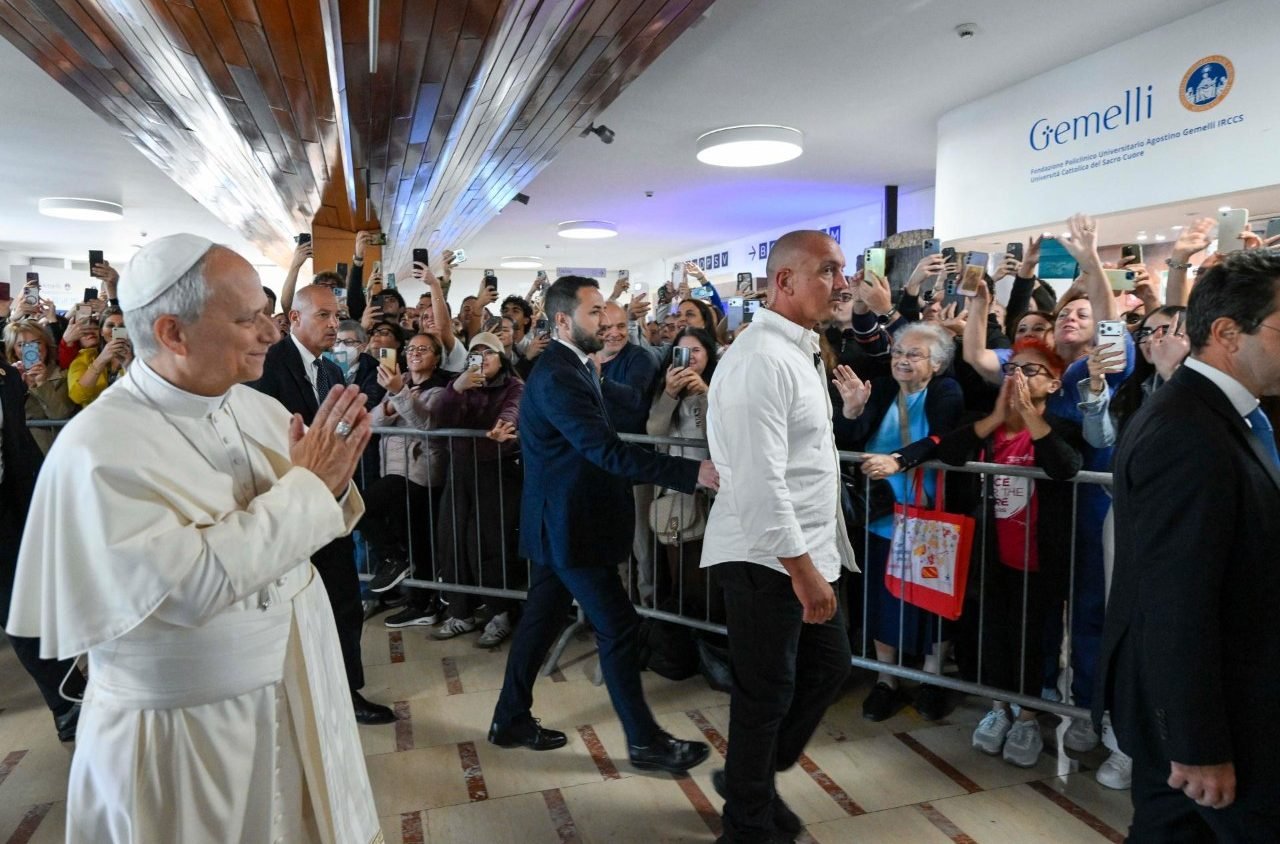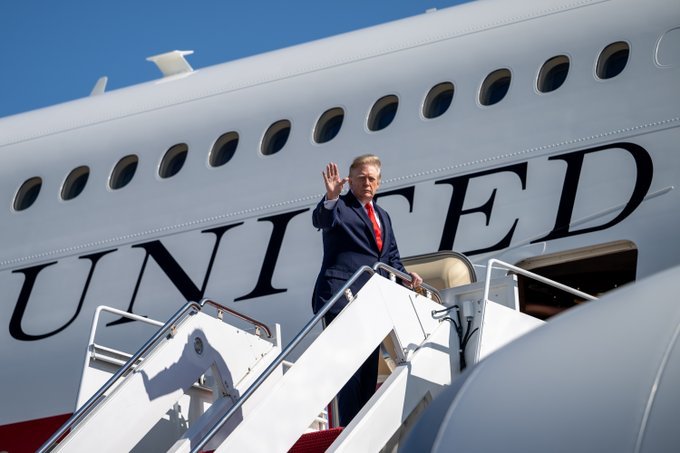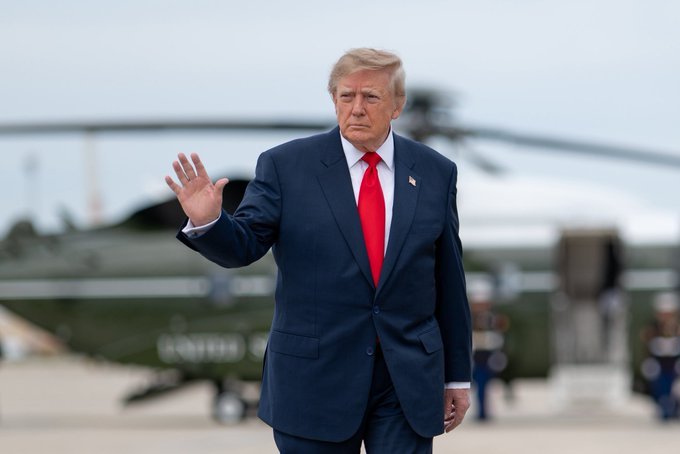
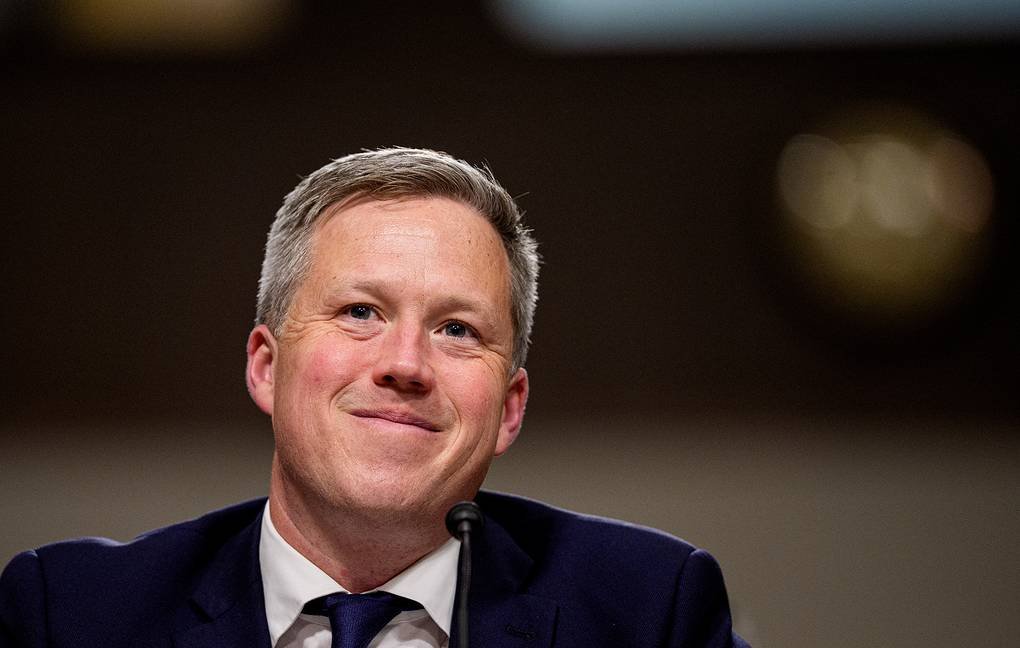
New York, Sept 2026 : US Army Secretary Dan Driscoll has resigned amid growing differences with Defence Secretary Pete Hegseth, according to media reports, adding to a series of high-level departures and leadership changes within the Pentagon as the United States remains engaged in its prolonged confrontation with Iran.
Driscoll reportedly submitted his resignation following a meeting with President Donald Trump on Monday, according to officials cited by US media. The White House, however, has not officially confirmed his departure.
The resignation is believed to have followed months of disagreements between Driscoll and Hegseth over several issues, including the Army’s modernisation plans, the removal of senior military officers and decisions to block or delay promotions.
Driscoll becomes the second senior civilian military official to leave during the Iran conflict. Navy Secretary John Phelan was dismissed in April. Under the US military structure, the Army, Navy and Air Force each have separate civilian secretaries who operate under the Defence Secretary.
Driscoll’s reported departure comes at a particularly sensitive time for the Army, which is already facing uncertainty at the top of its leadership. The service is currently without both a permanent civilian secretary and a permanent military chief following the removal of Army Chief of Staff General Randy George.
The Army’s leadership situation has been further complicated by previous personnel changes. Army Vice Chief of Staff General James Mingus was dismissed last October, while General Christopher LaNeve, who was nominated to succeed him, has yet to receive the Senate confirmation required for senior military appointments.
The developments have raised concerns about a leadership vacuum within the Army as American forces remain heavily involved in operations connected to the Iran conflict. Although US ground troops have not been deployed for a full-scale ground war against Iran, American soldiers continue to play an important role in defending bases and military installations in the Gulf against Iranian missiles and drones. Some US personnel have also been killed in attacks.
Trump and Hegseth had previously suggested that the conflict with Iran could be resolved within weeks. However, the continuing military confrontation has lasted considerably longer, placing additional pressure on the Pentagon’s leadership and military resources.
Driscoll, a former Army officer who served in combat in Iraq, had been regarded as a rising figure within the administration and was reportedly considered by some as a potential future successor to Hegseth.
His background also gave him influential political connections. After his military service, Driscoll attended Yale Law School, where he was a classmate and friend of Vice President J.D. Vance. The two have reportedly maintained a close relationship since their university days.
His differences with Hegseth reportedly extended to the latter’s approach to senior military personnel. Hegseth has faced criticism over the dismissal or sidelining of several senior officers, including prominent generals, as part of efforts to reshape the military leadership.
Driscoll reportedly opposed a number of the firings and blocked promotions and is said to have raised his concerns directly with Trump. These disagreements increasingly became a source of tension between the Army Secretary and the Defence Secretary.
Hegseth has also taken action against officers whom he believed were closely aligned with senior officials or policies he opposed. Among those affected was General Christopher Donahue, who commanded US forces in Europe and Africa and had played an important role in supporting Ukraine during its war with Russia.
With Driscoll’s departure, attention is now turning to his potential successor. Media reports have speculated that Pentagon spokesperson Sean Parnell, a close ally of Hegseth who has also been associated with tighter restrictions on media access to the military, could be considered for the position.
Driscoll’s reported resignation further highlights the continuing leadership turbulence inside the Pentagon at a critical moment for the US military.