Buses to be operated under the GCC model, with a contract period of 12 years
Subsidy of ₹40 lakh for each 12-metre bus and ₹35 lakh for each 9-metre bus
Agra, Lucknow, Kanpur, Varanasi and 14 other cities to benefit
Lucknow and Kanpur to get 300 buses each, Varanasi 250 and Gorakhpur 150 electric buses
Preference to be given to buses manufactured in Uttar Pradesh, opening up new employment opportunities
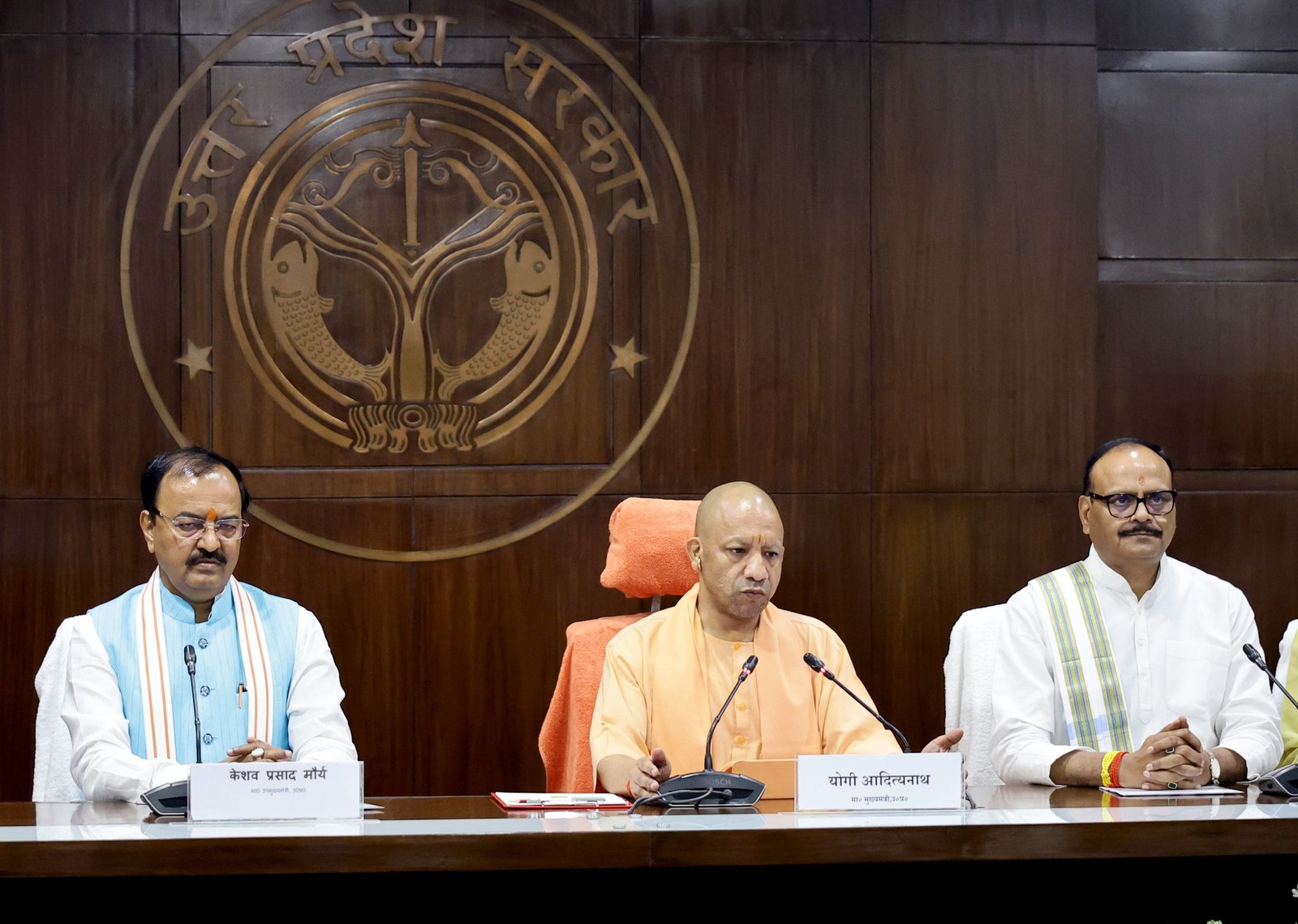
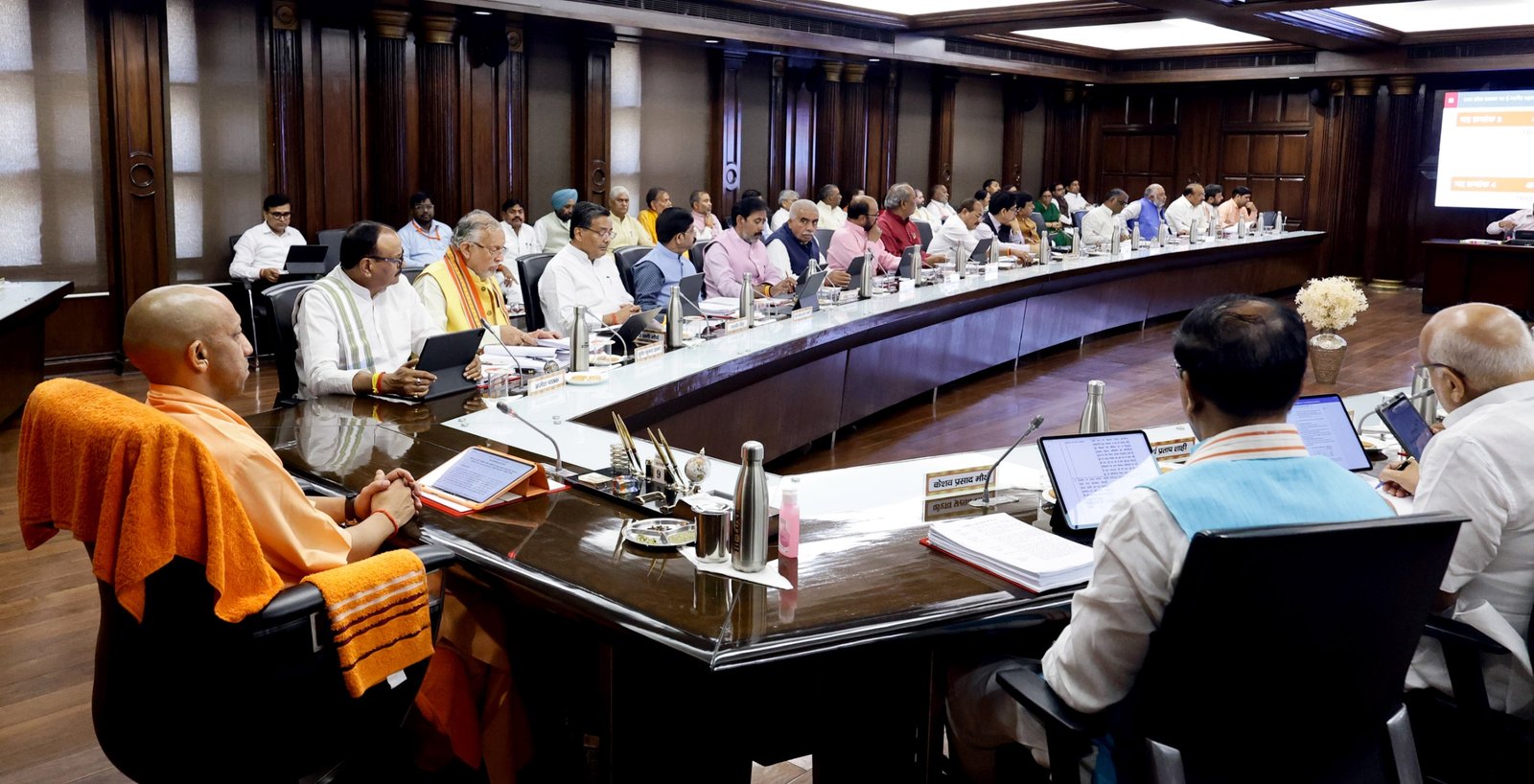
Lucknow, October 2026 : A key decision was taken at the Cabinet meeting chaired by Chief Minister Yogi Adityanath on Friday to strengthen the state's urban transport system. Under the decision, 1,725 air-conditioned electric buses will be operated in 18 cities across Uttar Pradesh under the GCC model. The scheme aims to streamline public transport in urban areas while providing better facilities to commuters.
Under the scheme, buses will operate in Agra, Aligarh, Ayodhya, Bareilly, Firozabad, Ghaziabad, Gorakhpur, Jhansi, Kanpur, Lucknow, Mathura-Vrindavan, Meerut, Moradabad, Prayagraj, Shahjahanpur, Saharanpur, Varanasi and Noida, including Jewar. The fleet will comprise air-conditioned electric buses measuring 9 metres and 12 metres in length. The contract period will be 12 years from the date commercial operations commence.
Urban Development Minister Arvind Kumar Sharma said, "The operation of 1,725 additional electric buses would begin soon in 18 cities across the state. Of these, 100 buses will be deployed in Agra, 50 in Mathura-Vrindavan, 25 in Aligarh, 25 in Firozabad, 100 in Ghaziabad, 100 in Meerut, 25 in Shahjahanpur, 25 in Bareilly, 25 in Moradabad, 25 in Saharanpur, 100 in Noida, including Jewar, 250 in Varanasi, 50 in Ayodhya, 300 in Lucknow, 150 in Gorakhpur, 300 in Kanpur, 50 in Prayagraj and 25 in Jhansi."
Under the GCC model, private operators will be responsible for purchasing the buses, arranging the chargers required at charging stations, deploying drivers and technical staff, and managing bus operations and maintenance.
Operators will be paid operations and maintenance (O&M) fees based on prescribed performance standards. The government will determine the tariffs and user charges.
Under the project, a subsidy of ₹40 lakh will be provided for each 12-metre electric bus and ₹35 lakh for each 9-metre bus. The respective municipal corporations and the Noida Authority will provide land free of cost, as required, for constructing depots to support bus operations.
According to the government, private investment will help reduce the financial burden of bus operations on the government and improve service quality. Private operators will focus on efficiency, punctuality and passenger satisfaction. They will also be encouraged to compete, facilitating the adoption of the latest technologies and improvements in service delivery. Operators will be selected through a tendering process and engaged under contractual agreements, with commuters expected to benefit directly.
In accordance with the policy prescribed by the Transport Department for the procurement of new electric buses, preference is proposed to be given to buses manufactured in Uttar Pradesh at the L-1 rate. This is expected to encourage industries involved in bus manufacturing and supply in the state while creating new employment opportunities at the local level.