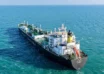
US Treasury Warns Sanction Risk Linked to China-Based Independent “Teapot” Oil Refineries.

Washington DC; April 2026: The Office of Foreign Assets Control (OFAC) is alerting financial institutions to the sanctions risks of dealing with independent oil refineries in China (known as “teapot” refineries), primarily in Shandong Province, given their continued key role in importing and refining Iranian crude oil, including throughout 2026. Since March 2025, OFAC designated multiple teapot refineries, which collectively have purchased and refined billions of dollars’ worth of Iranian oil.
On February 4, 2025, President Trump signed National Security Presidential Memorandum-2, reimposing maximum pressure on the Iranian regime and driving a whole-of-government approach to deny Iran all paths to a nuclear weapon and counter its malign influence. OFAC maintains comprehensive sanctions on Iran and will continue to target the regime’s main revenue-generating sectors, in particular its petroleum and petrochemical sectors, under Executive Order 13902 and other sanctions authorities.
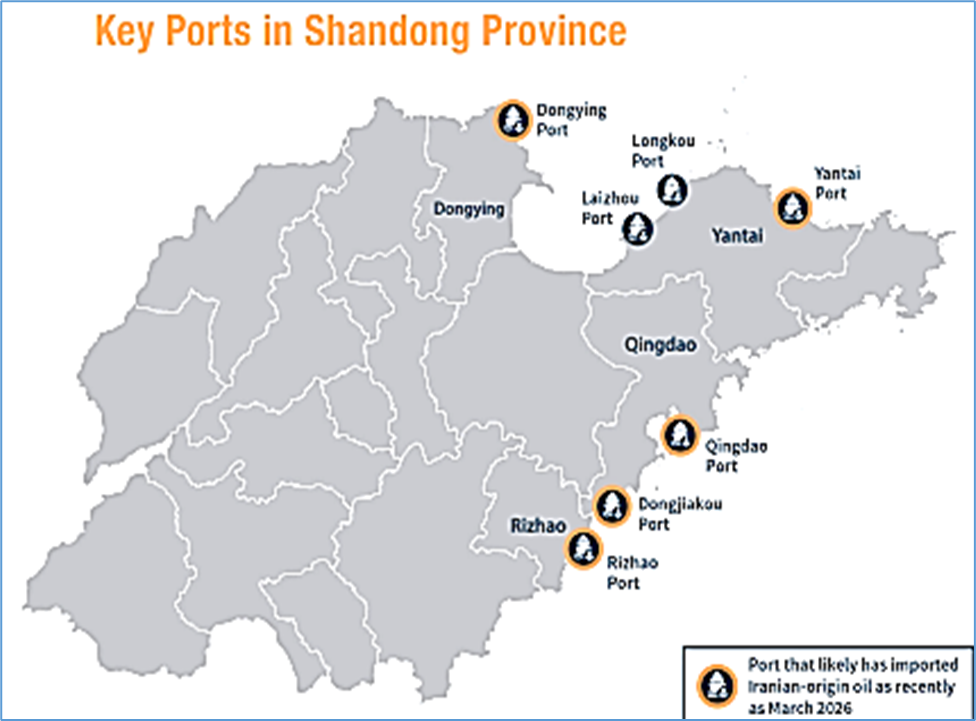
China is the world’s largest purchaser of Iranian oil, currently acquiring around 90 percent of Iran’s total oil exports. Teapot refineries purchase the majority of that oil. These teapot refineries have used the U.S. financial system to conduct U.S. dollar-denominated transactions and to acquire U.S. technology and goods.
Since the resumption of maximum pressure on Iran, OFAC designated five teapot refineries:
- Shandong Shouguang Luqing Petrochemical Company, Ltd.
- Shandong Shengxing Chemical Company, Ltd.
- Hebei Xinhai Chemical Group Company, Ltd.
- Shandong Jincheng Petrochemical Group Company Ltd.
- Hengli Petrochemical (Dalian) Refinery Company, Ltd.
As a result, all property and interests in property of the designated teapot refineries that are in the United States or that are in possession or control of a U.S. person are blocked, and U.S. persons are generally prohibited from engaging in transactions with blocked teapot refineries unless exempt or authorized. Any entities owned, directly or indirectly, individually or in the aggregate, 50% or more by the designated teapot refineries are also blocked. Foreign financial institutions and other non-U.S. entities risk exposure to U.S. sanctions for engaging in certain transactions or activities involving designated teapot refineries or other actors operating in the Iranian petroleum sector.
Accordingly, financial institutions should take steps to ensure they are not facilitating transactions involving designated teapot refineries, or other teapot refineries that may be importing Iranian oil, because this may expose the financial institutions to sanctions. U.S. and foreign financial institutions should carefully review any transactions involving China-based teapot refineries, particularly in Shandong Province, given the heightened risk that transactions with these refineries could involve Iranian-origin oil. Additional steps may include
(1) communicating expectations to correspondent banks in China about sanctions risks;
(2) gathering additional information on relevant customers and transactions, including related contracts and other information.
In its report OFAC has reiterated that, it encourages financial institutions to conduct enhanced due diligence when dealing with other Asia- and Middle East-based entities, beyond teapot oil refineries, that may be involved in Iran’s oil supply chain to China. Since the issuance of NSPM-2, OFAC has consistently targeted individuals, companies, and vessels involved in facilitating Iranian oil shipments to China, including port terminal operators in Shandong Province and oil cargo inspection and logistics
services providers, for their role in purchasing or facilitating the delivery of billions of dollars’ worth of Iranian-origin oil.
Iran has used front companies in Asia and the United Arab Emirates to broker shipments of and facilitate payments related to Iranian-origin oil ultimately intended for teapot refineries. For example, designated Iranian military-affiliated company Sepehr Energy Jahan Nama Pars Company worked with various Hong Kong-based front companies to deliver multiple shipments of Iranian-origin oil to China and to manage onshore storage of the oil. Iranian entities involved in this oil trade use front companies bank accounts to receive payment and access foreign currency. Further, these front companies have worked with complicit local agencies on vessel berthing and discharge operations, as well as
transportation and storage services for such Iranian-origin oil cargoes. Iran has also used middlemen—typically Asia based companies with generic or non-descript stated business purposes to act as brokers between the Iranian sellers and teapot refineries.
Additionally, Iran relies on a “shadow fleet” of tankers to supply its oil to teapot refineries in China. These vessels and their management companies regularly engage in deceptive shipping practices, including ship-to-ship transfers and vessel location data manipulation. In some instances, Iranian oil is blended with oil from third countries to further disguise its origins, or forged documents will relabel the oil as the product of another jurisdiction, most commonly as “Malaysian blend”.
Sanctioned Iran-related vessels may also engage in other data manipulation techniques to mask their identities, such as reporting identifying information for non-sanctioned vessels or scrapped vessels that are no longer in operation, sometimes referred to as “zombie vessels”.
Team Maverick.






Trump Vows Continued Military Pressure on Iran, Expresses Doubts Over Diplomacy
Washington, Aug 2026: US President Donald Trump has vowed to maintain military pressure on…

Trump Vows Continued Military Pressure on Iran, Expresses Doubts Over Diplomacy
Washington, Aug 2026: US President Donald Trump has vowed to maintain military pressure on …