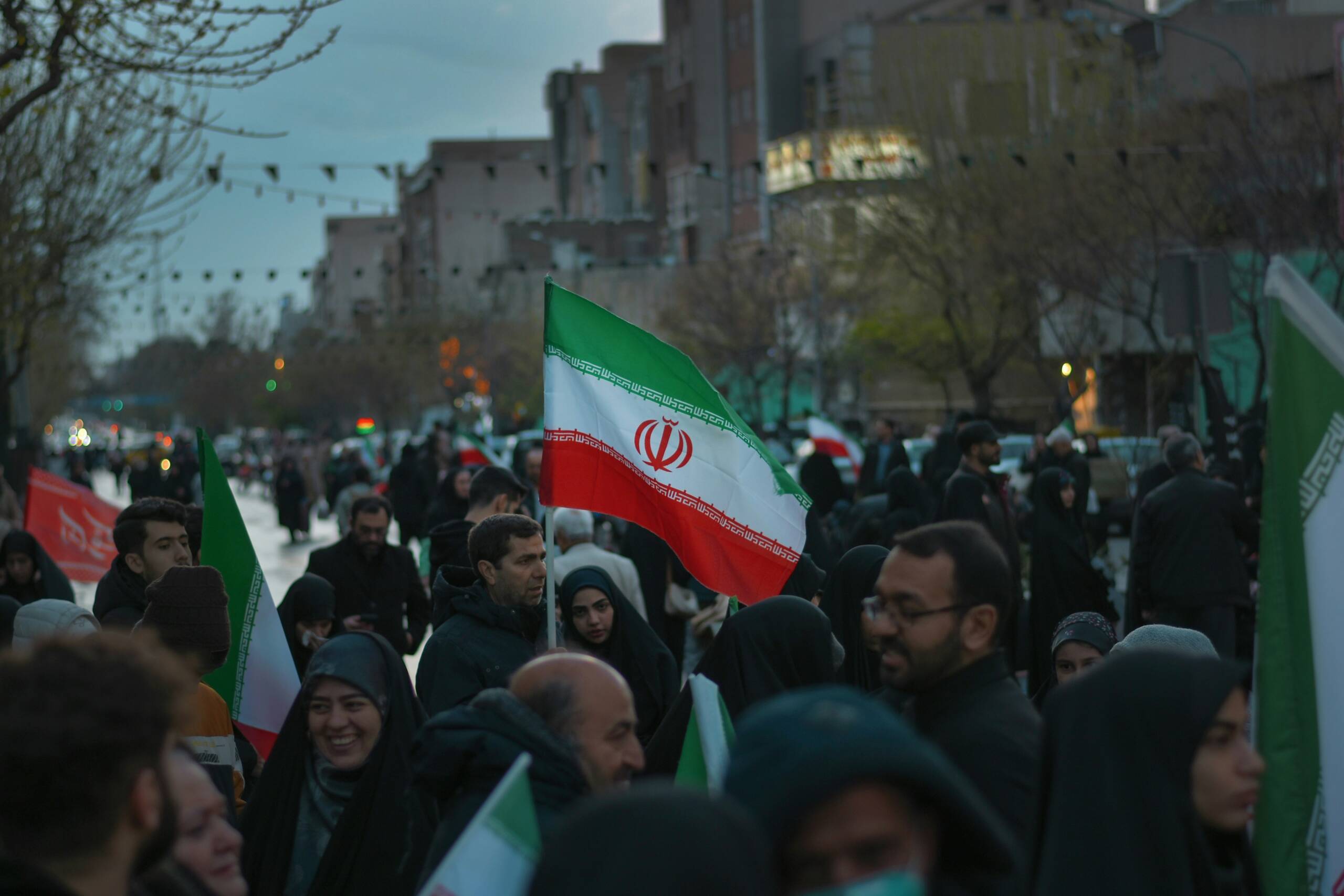
Gulf Tensions Escalate as Missile Attacks, Strait of Hormuz Disruptions Deepen Regional Crisis

- US intercepts Iranian missiles and launches strikes on Qeshm Island after attempted attacks
- Trump maintains dialogue with Tehran continues despite reports of stalled communications
- Hormuz disruptions drive energy concerns as global shipping and oil markets feel the strain
- Israel-Hezbollah hostilities persist, worsening humanitarian and economic pressures across the region
Washington/Tehran, June 2026 : Tensions across the Gulf region intensified on Wednesday as the United States reported intercepting Iranian missiles and drones targeting regional assets, while also carrying out retaliatory strikes on Iran’s strategically important Qeshm Island. The latest escalation comes amid fragile diplomatic efforts between Washington and Tehran and growing concerns over disruptions to global energy supplies through the Strait of Hormuz.
According to the US Central Command (CENTCOM), several Iranian missile attacks aimed at targets in Bahrain, Kuwait and other parts of the Gulf either failed to reach their destinations or were intercepted. Three ballistic missiles reportedly targeting Bahrain were successfully shot down, while two missiles fired toward Kuwait either disintegrated in flight or fell short of their intended targets.
The US military also reported neutralising multiple Iranian drones directed at civilian shipping and American military facilities in Kuwait. In response to what it described as attempted attacks by Iranian forces, US aircraft conducted strikes on Qeshm Island, located near the Strait of Hormuz, one of the world’s most critical maritime trade corridors.
Iranian state media, however, presented a different account of the events. Reports claimed that the Islamic Revolutionary Guard Corps (IRGC) had launched missile and drone attacks against the headquarters of the US Fifth Fleet in Bahrain and against military installations in another Gulf nation. Tehran described the operations as retaliation for an alleged American strike on a communications facility south of Qeshm Island.
CENTCOM rejected Iran’s claims, insisting that all attacks were unsuccessful and reaffirming that US forces remained prepared to counter any further aggression in the region.
The renewed hostilities have added fresh uncertainty to global energy markets. Oil prices rose by more than one per cent in early trading on Wednesday as traders assessed the implications of continued instability around the Strait of Hormuz, through which nearly one-fifth of the world’s oil and liquefied natural gas supplies traditionally pass.
The conflict, which began in late February following US and Israeli strikes on Iranian targets, has remained unresolved despite a tentative ceasefire framework announced last week. While both Washington and Tehran acknowledged reaching a preliminary understanding aimed at reducing hostilities, no formal agreement has yet been finalised.
Conflicting messages have also emerged regarding diplomatic contacts between the two sides. Iranian media suggested that communication with Washington had effectively stalled over recent days. US President Donald Trump, however, dismissed those reports, asserting that discussions had continued without interruption.
“The conversations between us have been going on continuously,” Trump said in a social media post, indicating that contacts had taken place repeatedly over the past several days.
A central issue in the ongoing negotiations remains Iran’s nuclear programme. Trump has repeatedly stated that preventing Iran from acquiring nuclear weapons remains his administration’s primary objective. Tehran continues to insist that its nuclear activities are intended solely for peaceful purposes.
Iran is reportedly seeking substantial sanctions relief, access to frozen oil revenues, exemptions for crude exports, and an end to restrictions affecting its ports and maritime trade. The future status of the Strait of Hormuz is also expected to feature prominently in any eventual agreement.
Iranian media reported that the IRGC Navy targeted a vessel identified as “Panaya” after accusing the United States of attacking an Iranian tanker near Hormuz. Iranian officials warned that any attempt to undermine security in the strategic waterway would carry significant consequences.
US Secretary of State Marco Rubio, appearing before lawmakers on Tuesday, reiterated that sanctions relief would only be considered if Iran agreed to abandon sensitive nuclear activities. Rubio maintained that the military campaign had substantially weakened Iran’s military capabilities and insisted that the broader conflict had effectively ended, though some lawmakers challenged that assessment.
Meanwhile, the regional crisis continues to spill over into neighbouring Lebanon. Israeli forces carried out strikes on several towns in southern Lebanon despite a US-mediated partial ceasefire announced earlier this week. The renewed violence has further displaced civilians and heightened fears of a broader regional confrontation.
The economic consequences are becoming increasingly visible. Global shipping operators have reported security incidents in Gulf waters, while humanitarian agencies warn that rising transportation costs and supply-chain disruptions are hampering aid deliveries to conflict-affected regions across the Middle East and Africa.
As military tensions persist and diplomatic efforts struggle to gain momentum, the Gulf remains on edge, with the potential for further escalation carrying significant implications for regional stability, international trade and global energy markets.
(The content of this article is sourced from a news agency and has not been edited by the Mavericknews30 team.)







Shivakumar Says Congress United, Assures Women Will Get Cabinet Berth
Bengaluru, Aug 2026 : Karnataka Chief Minister D.K. Shivakumar on Monday sought to dismiss…
Shivakumar Says Congress United, Assures Women Will Get Cabinet Berth
Bengaluru, Aug 2026 : Karnataka Chief Minister D.K. Shivakumar on Monday sought to dismiss …