Canada Government Pauses Sweeping Environmental Changes.

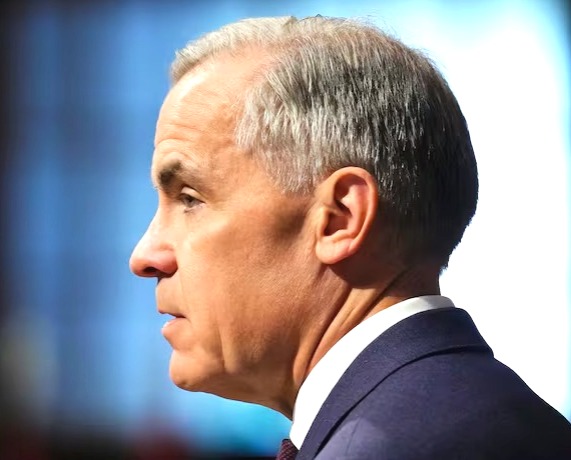
Ottawa; June 2026: The Mike Carney government in Canada is slowing down planned regulatory changes that have angered First Nations and mobilised civil society organisations (CSO’s). What is looked as the government’s catapulting efforts in pushing the agenda ahead, the government said that it would extend the public engagement period until July 22.
In a statement yesterday (Thursday – 04th June 2026) the federal government said it “received valuable feedback from thousands of stakeholders, Indigenous groups and members of the public across the country, underscoring the importance of these issues to Canadians”.
STATEMENT –
On May 8, 2026, the Government of Canada launched an engagement period on proposed reforms that would simplify and accelerate Canada’s regulatory processes and ensure federal reviews and decision-making timelines take no longer than one year, once all information from the project proponent has been received. The proposed reforms will enable Canada to build major projects at speed and at scale and improve the efficiency of our supply chains, while maintaining robust environmental protections and upholding the rights of Indigenous Peoples.
Since the launch of the engagement process, the government has received valuable feedback from thousands of stakeholders, Indigenous groups, and members of the public across the country, underscoring the importance of these issues to Canadians. At the same time, stakeholders also expressed a desire to have additional opportunities to provide input.
Building on the strong participation received to date, the Honourable Dominic LeBlanc, President of the King’s Privy Council for Canada and Minister responsible for Canada-U.S. Trade, Intergovernmental Affairs, Internal Trade and One Canadian Economy, and the Honourable Steven MacKinnon, Minister of Transport and Leader of the Government in the House of Commons, announced today the extension of the public engagement period until July 22, 2026. The extension provides additional flexibility for stakeholders who have requested more time to contribute, helping to ensure all perspectives are heard and meaningfully considered.
Following the conclusion of the public engagement period, the Government of Canada intends to introduce legislation in the following sitting of Parliament.
Canadians, Indigenous Peoples, provinces and territories, industry, labour organizations, environmental organizations, and other interested stakeholders are invited to provide their views on the discussion papers:
- Getting Major Projects Built in Canada;
- Strengthening One Canadian Economy through Trade and Transportation.
Canada’s new government remains committed to meaningful engagement with Indigenous Peoples, and working collaboratively with provinces, territories, industry, stakeholders, and Canadians as we advance our plan to build a stronger, more competitive, and more resilient economy.
Dominic LeBlanc, President of the King’s Privy Council for Canada and Minister responsible for Canada-U.S. Trade, Intergovernmental Affairs, Internal Trade and One Canadian Economy has said:
“Canadians have demonstrated a strong interest in these proposed reforms and have already provided thoughtful and constructive feedback. Because these changes have the potential to shape how we build major projects and strengthen our economy for years to come, we want to ensure everyone has the opportunity to participate. Extending the engagement period will allow us to hear from even more Canadians and help us develop reforms that reflect the views and priorities of people across the country”.
Steven MacKinnon, Minister of Transport and Leader of the Government in the House of Commons has said: “Building a stronger, more connected Canadian economy requires that we listen to the people and communities it serves. By extending this engagement period, we are creating more opportunities for people across the country to help shape the future of our transportation system. Together, we can build stronger and more resilient supply chains that connect Canadian businesses to global markets”.
Julie Dabrusin, Minister of the Environment, Climate Change and Nature in his speech has said: “Canadians care deeply about the lands and waters in Canada and have been providing important feedback on the proposed amendments outlined in the discussion papers. Extending the deadline provides additional opportunities for meaningful participation so we can build a more competitive economy while continuing to protect our natural environment”.
There were widespread changes the Carney government was planning. Among the suite of measures were designating pre-approving development in certain “federal economic zones” and giving the federal cabinet limited power to exempt projects from the “jeopardy test” for species at risk.
The Assembly of First Nations called the proposed changes “not acceptable” and said they demonstrated ‘a pattern of exclusion’. On Wednesday (03rd June) many of Canada’s environmental and conservation groups assembled on Parliament Hill to oppose the government’s proposal.
“By implementing the laws that guarantee fundamental environmental protections, this government will only be fast-tracking preventable, and in some cases irreversible, harms to communities and ecosystems”, said Kimberly Shearon the executive director of the environmental law charity Ecojustice, in a statement.
Some, including Carney’s former cabinet minister Steven Guilbeault, said the government’s approach was beyond what Conservative Prime Minister Stephen Harper implemented. The Liberals under former Prime Minister Justin Trudeau later reversed some of those measures.
Meanwhile, the Carney government had justified the changes by arguing Canada needs to fast-track nation-building projects that strengthen the economy and help diversify exports away from the US. The government never said when it planned to introduce legislation. But had it stuck with the original plan to wrap up consultations on June 07th, it could have tabled a bill before the House of Commons rose for the summer.
With a narrow majority government, the bill was all but certain to pass through Parliament. In yesterday’s statement, the government suggested it plans to introduce legislation after Parliament returns in September.
Team Maverick.




Shivakumar Says Congress United, Assures Women Will Get Cabinet Berth
Bengaluru, Aug 2026 : Karnataka Chief Minister D.K. Shivakumar on Monday sought to dismiss…
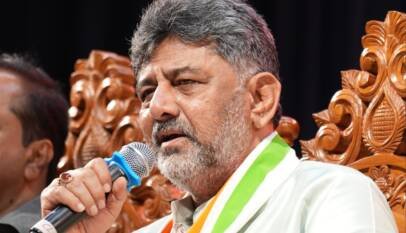
Shivakumar Says Congress United, Assures Women Will Get Cabinet Berth
Bengaluru, Aug 2026 : Karnataka Chief Minister D.K. Shivakumar on Monday sought to dismiss …