Centre May Scrap 2.5% Import Duty on Aluminium Scrap to Boost Domestic Manufacturing

New Delhi, July 2026 : The Central government is considering removing the existing 2.5 per cent import duty on aluminium scrap in a move aimed at strengthening India’s downstream aluminium industry and reducing input costs for domestic manufacturers. According to a Moneycontrol report citing sources, the Ministry of Mines’ Joint Working Group is likely to recommend abolishing the import duty after broad consensus emerged on the proposal.
The recommendation is expected to be sent to the Ministry of Finance later this month after receiving the necessary internal approvals. The proposed duty exemption seeks to address long-standing concerns raised by aluminium users, who argue that the current tariff structure places Indian manufacturers at a competitive disadvantage.
Industry stakeholders, including recyclers, rolling mills, and manufacturers of automobile components, electrical equipment, and household utensils, rely heavily on imported aluminium scrap as a key raw material. However, while they pay a 2.5 per cent import duty on scrap, they are forced to compete with finished aluminium products imported from countries covered under Free Trade Agreements (FTAs), including ASEAN nations, where import duties are significantly lower or even nil.
Industry representatives have repeatedly argued that this creates an inverted duty structure, increasing production costs for domestic manufacturers while making imported finished products more competitive in the Indian market. They believe removing the duty on aluminium scrap would encourage domestic value addition, improve the competitiveness of Indian manufacturers, and support the government’s Make in India initiative.
Although Indian companies source aluminium from both domestic producers and overseas markets, imported scrap accounts for the majority of aluminium-related imports. Sources indicated that the Ministry of Mines supports eliminating the levy, noting that aluminium is currently the only major non-ferrous metal still subject to such an import duty on scrap.
The push for duty relief has also gained momentum due to the sharp rise in global aluminium prices over the past two years. On the London Metal Exchange (LME), aluminium prices climbed from around USD 2,300–2,600 per tonne in 2024 to over USD 3,800 per tonne by mid-2026, driven by supply chain disruptions, geopolitical tensions, and production constraints at major global smelters.
Although prices have eased slightly in recent weeks, they remain significantly above historical averages. Rising benchmark prices have also pushed aluminium scrap prices higher by an estimated 20–25 per cent, increasing the financial burden on Indian manufacturers that depend on imported scrap for production.
India currently imports approximately 1.6 to 1.8 million tonnes of aluminium scrap annually, primarily from Europe, the United States, and the United Kingdom. Industry estimates suggest imports could rise to 1.9–2 million tonnes during the current financial year as demand for recycled and low-carbon aluminium continues to grow across sectors such as automotive, construction, packaging, and consumer goods.
However, sourcing imported scrap is becoming increasingly challenging. Several countries are prioritising domestic recycling and restricting exports of recyclable materials to secure raw material supplies for their own industries. This trend is expected to tighten global availability and intensify competition for aluminium scrap.
India’s domestic scrap generation remains insufficient to meet growing industrial demand. With per capita aluminium consumption at around 2.5 kilograms, compared to the global average of nearly 11 kilograms, experts believe the country will continue to depend heavily on imported aluminium scrap for at least the next decade as consumption rises alongside infrastructure development, electric mobility, renewable energy, and manufacturing expansion.
If approved, the removal of the import duty is expected to lower production costs, improve competitiveness for Indian manufacturers, encourage recycling, and strengthen the country’s aluminium value chain while supporting sustainable industrial growth.
(The content of this article is sourced from a news agency and has not been edited by the Mavericknews30 team.)




Revenue Minister Reviews Disaster Preparedness as Deep Depression Nears
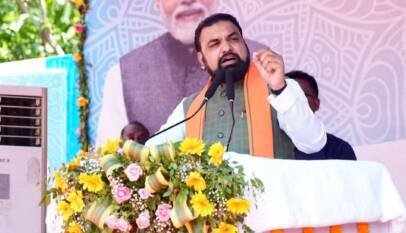
Bhubaneswar, July 2026: Revenue and Disaster Management Minister Shri Suresh Pujari today …

Revenue Minister Reviews Disaster Preparedness as Deep Depression Nears
Bhubaneswar, July 2026: Revenue and Disaster Management Minister Shri Suresh Pujari today chaired a …