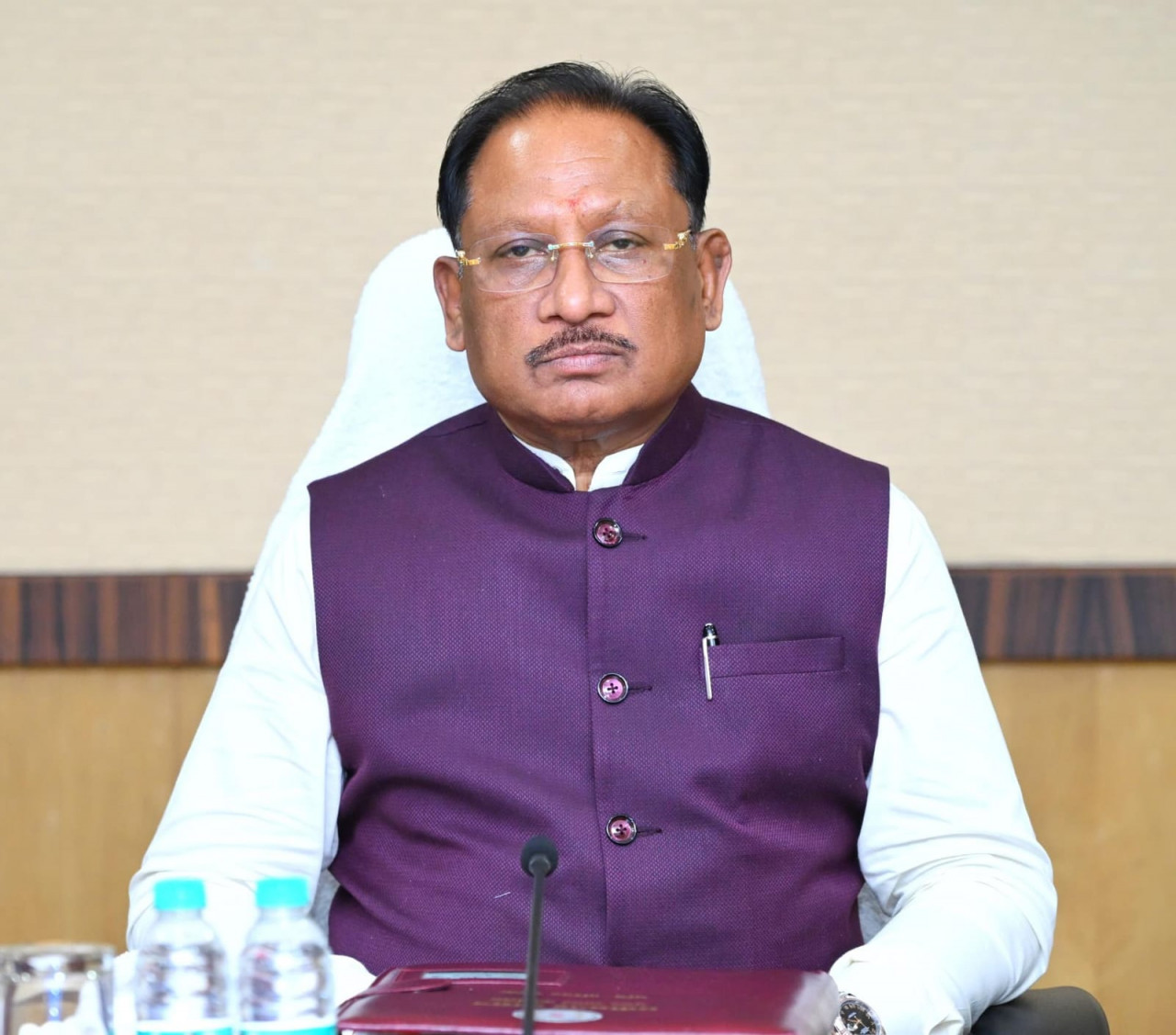
Chhattisgarh Cabinet Approves Major Reforms to Boost Power Security, Investment and Ease of Doing Business

Raipur, July 2026 : The Chhattisgarh Cabinet, chaired by Chief Minister Vishnu Deo Sai, on Wednesday approved a series of key policy decisions aimed at strengthening power sector reforms, improving the investment climate, simplifying governance, enhancing higher education, and accelerating industrial development across the state. The decisions were taken during a Cabinet meeting held at the Ministry, Mahanadi Bhawan.
One of the most significant approvals relates to the state’s power distribution system. The Cabinet cleared a proposal to replace the existing Tripartite Agreement with a Direct Debit Mandate (DDM) mechanism, in line with the Reserve Bank of India’s latest guidelines, for securing payments made by the Chhattisgarh State Power Distribution Company to Central Public Sector Undertakings (CPSUs), including NTPC. The move is expected to ensure uninterrupted electricity supply while modernising payment security arrangements. The government clarified that the new mechanism will not impose any additional financial burden on the state, as payment procedures will continue through the distribution company, supported by the existing Letter of Credit system whenever required.
The Cabinet also approved important amendments to the Chhattisgarh Police Special Executive Force (Bastar Fighters) recruitment and service rules for 2026. The changes are aimed at strengthening the state’s specialised security force operating in sensitive regions.
In the higher education sector, the Cabinet approved the draft Chhattisgarh Private Universities (Establishment and Operation) Amendment Bill, 2026. The amendments, prepared in accordance with recommendations made by the Cabinet Secretariat of the Government of India, seek to make the establishment and functioning of private universities more practical, contemporary and quality-oriented. A key provision replaces the earlier corpus fund requirement with a protected reserve fund to safeguard students’ interests. The revised law also mandates compliance with University Grants Commission (UGC) norms relating to infrastructure, libraries and other academic facilities, encouraging the establishment of quality higher education institutions in the state.
The Cabinet further approved amendments to the Chhattisgarh Value Added Tax (VAT) Act, 2026, paving the way for the abolition of the state’s Commercial Tax Tribunal. Since the implementation of the Goods and Services Tax (GST), the number of VAT-related second appeals has declined considerably, while the establishment of the GST Appellate Tribunal has reduced the need for a separate VAT tribunal. Pending cases will now be transferred to the Revenue Board, ensuring a more streamlined and efficient appeals process.
Another significant decision was the approval of the Chhattisgarh Goods and Services Tax (Amendment) Bill, 2026, aimed at simplifying GST compliance, accelerating refund processing, particularly for exporters and industries facing inverted duty structures, and making tax administration more transparent and taxpayer-friendly. The government expects the reforms to improve ease of compliance while strengthening state revenues.
To promote industrial growth, the Cabinet approved amendments to the Chhattisgarh Industrial Investment Promotion Bill, 2026. The revised framework has been prepared after studying industrial policies adopted by several leading states and seeks to create a more investor-friendly environment through transparent and efficient investment procedures.
In a landmark move, the Cabinet also approved the draft Chhattisgarh Ease of Doing Business (Deregulation and Facilitation) Bill, 2026, making Chhattisgarh the first state in the country to introduce legislation of this nature. The proposed law incorporates progressive reforms such as deemed approvals, self-certification, third-party verification, risk-based inspections, and the elimination of duplicate licensing requirements. These measures are expected to significantly reduce procedural hurdles, improve investor confidence, and accelerate industrial development and employment generation.
The Cabinet further approved the One-Time Settlement (OTS) Scheme 2026 for allottees of plots and constructed properties under the Nava Raipur Atal Nagar Development Authority (NRDA). The scheme offers relief on outstanding interest and penalties, enabling eligible allottees to regularise dues, complete pending projects within stipulated timelines, or voluntarily surrender unused land. The government believes the initiative will reduce litigation, ensure better utilisation of land and encourage fresh investment in Nava Raipur.
In the environmental sector, the Cabinet approved a proposal to adopt the Water (Prevention and Control of Pollution) Amendment Act, 2024, in Chhattisgarh through a resolution in the State Assembly. The amendment decriminalises minor violations by replacing criminal penalties with monetary fines and introduces a more streamlined system for penalties and appeals, striking a balance between environmental protection and ease of doing business.
The Cabinet also cleared the draft Chhattisgarh Rent Control (Amendment) Bill, 2026, aimed at encouraging property owners to rent out vacant houses and ensuring faster resolution of tenancy disputes. The proposed amendments clearly define the rights and responsibilities of landlords and tenants while introducing provisions relating to property managers, rent receipts, tribunal appointments and court fees. The revised legislation aligns with the Model Tenancy Act, 2021 introduced by the Central Government.
In another major infrastructure decision, the Cabinet approved the allocation of government land for constructing a modern 2,000-seat auditorium in Rajnandgaon, which is expected to strengthen the district’s cultural and public infrastructure.
The Cabinet said these reforms collectively reflect the state’s commitment to strengthening governance, improving public services, attracting investments, promoting industrial growth, and creating a transparent, efficient and business-friendly administrative ecosystem.



Adani group visits Hon’ble Deputy Chief Minister and Energy Department, Govt. of Odisha
Bhubaneswar, July, 2026 : Kharavel Bhawan, representatives from the Adani Group delivered …
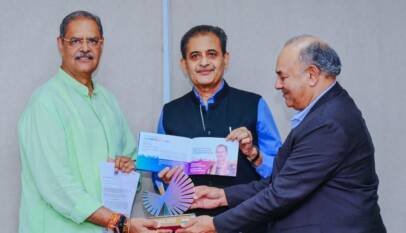
Adani group visits Hon’ble Deputy Chief Minister and Energy Department, Govt. of Odisha
Bhubaneswar, July, 2026 : Kharavel Bhawan, representatives from the Adani Group delivered a comprehensive …