IAF Upgrades Sulur Air Base Infrastructure to Strengthen TEJAS Fleet and Combat Readiness

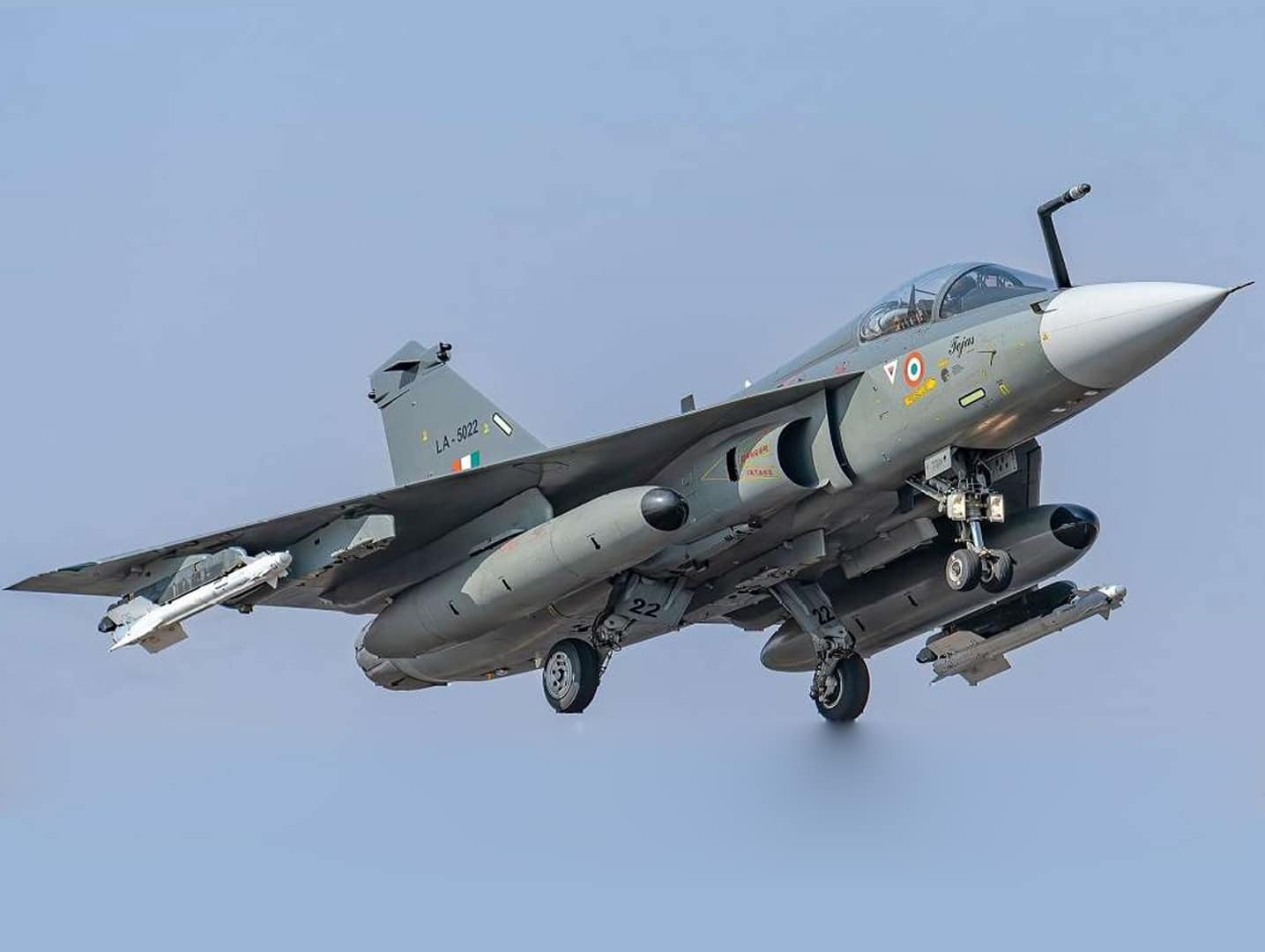
New Delhi, July 2026 : The Indian Air Force (IAF) has floated a tender for the maintenance and modernization of the technical zone at Air Force Station Sulur in Tamil Nadu, a move that goes far beyond routine infrastructure upkeep. The project represents a strategic investment in one of the country’s most important military aviation hubs, which plays a central role in sustaining India’s expanding combat aviation capabilities, particularly the indigenous Light Combat Aircraft (LCA) TEJAS programme.
Air Force Station Sulur, located near Coimbatore, is the second-largest air base in the IAF and among its busiest operational stations. It serves as the principal base for TEJAS fighter aircraft while also hosting a wide variety of other platforms, including An-32 transport aircraft, Mi-17 helicopters, and the renowned Sarang helicopter aerobatic team. Managing such a diverse fleet requires a sophisticated maintenance ecosystem capable of supporting everything from routine servicing to extensive overhauls.
At the heart of Sulur’s maintenance capability is the No. 5 Base Repair Depot (BRD), one of the IAF’s premier Maintenance, Repair and Overhaul (MRO) establishments. The depot undertakes complex repairs, structural inspections, and restoration of aircraft systems that cannot be handled by frontline squadrons. As India accelerates the induction of indigenous fighter aircraft, the depot’s role in maintaining the TEJAS fleet has become increasingly significant.
The latest tender focuses on upgrading and maintaining the technical area, which includes specialised workshops, inspection bays, testing laboratories and repair facilities used for aircraft servicing. These technical zones are designed to support critical aerospace work involving engines, avionics, radar systems, flight control mechanisms and mission computers. To ensure precision and reliability, these facilities must comply with stringent military engineering standards.
The infrastructure includes reinforced floors capable of bearing the weight of fighter aircraft and heavy maintenance equipment, uninterrupted power supply systems for sensitive electronic testing, and climate-controlled environments essential for handling sophisticated components. Advanced aircraft such as the TEJAS, equipped with AESA radars, digital flight control systems and modern mission computers, require maintenance in contamination-free and anti-static environments to preserve operational integrity.
The timing of the infrastructure upgrade is particularly important. The Indian Air Force has placed orders for 180 TEJAS Mk-1A fighters, with deliveries expected to accelerate from late 2026 following the resumption of GE F404 engine supplies. As more aircraft enter service, maintenance requirements will increase substantially. Modernised hangars, repair bays and testing facilities will help minimise downtime, reduce maintenance delays and ensure higher aircraft availability for operational missions.
Sulur’s technical facilities are also responsible for servicing Line Replaceable Units (LRUs), radar modules, flight control computers, navigation equipment and communication systems. These highly sensitive components require specialised workshops with strict temperature control, dust-free conditions and electrostatic discharge protection. Regular infrastructure upgrades ensure that the facilities continue to meet the demanding standards required for servicing modern combat aircraft.
The tender further includes improvements to electrical and mechanical infrastructure that support maintenance operations. High-precision diagnostic equipment depends on stable, uninterrupted electricity, making upgrades to power distribution systems, grounding arrangements and safety mechanisms essential. Modern LED lighting systems will also be installed to improve visibility inside workshops, enhance workplace safety and reduce long-term energy consumption.
In addition, the project provides for strengthening taxiways, aircraft aprons and workshop flooring. Fighter aircraft, transport planes and heavy ground support vehicles exert constant pressure on these surfaces, making periodic reinforcement necessary to maintain safe and efficient operations.
Beyond maintaining existing fleets, Sulur is emerging as a key centre for developing indigenous maintenance protocols for the TEJAS programme. As India’s first homegrown fighter aircraft evolves with new technologies and variants, maintenance procedures and technical standards are also being refined. The supporting infrastructure must evolve alongside these advancements to ensure long-term operational success.
The initiative also highlights the growing collaboration between the Indian Air Force, the Military Engineer Services (MES) and private engineering firms. Civilian contractors are increasingly contributing to infrastructure development and facility modernisation, allowing Air Force personnel to remain focused on operational readiness and aircraft maintenance.
While new fighter acquisitions and advanced weapon systems often attract public attention, defence experts note that combat capability depends just as much on the strength of maintenance infrastructure. Every aircraft mission begins and ends in technical zones where fighters are inspected, repaired, tested and certified for flight.
By investing in the modernisation of Air Force Station Sulur, the IAF is reinforcing a critical pillar of India’s air power. The project is expected to play a vital role in sustaining the country’s growing indigenous fighter fleet, enhancing operational availability and ensuring that India’s frontline aircraft remain mission-ready to meet evolving security challenges.
(The content of this article is sourced from a news agency and has not been edited by the Mavericknews30 team.)




Drones Revolutionising Modern Warfare, Reshaping Global Defence Strategies
New Delhi, July 2026 : Drones have emerged as one of the most transformative technologies …
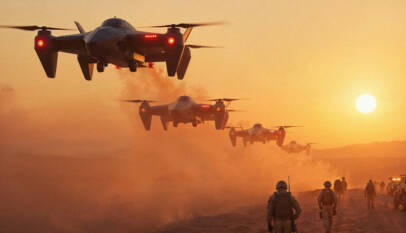
Drones Revolutionising Modern Warfare, Reshaping Global Defence Strategies
New Delhi, July 2026 : Drones have emerged as one of the most transformative …