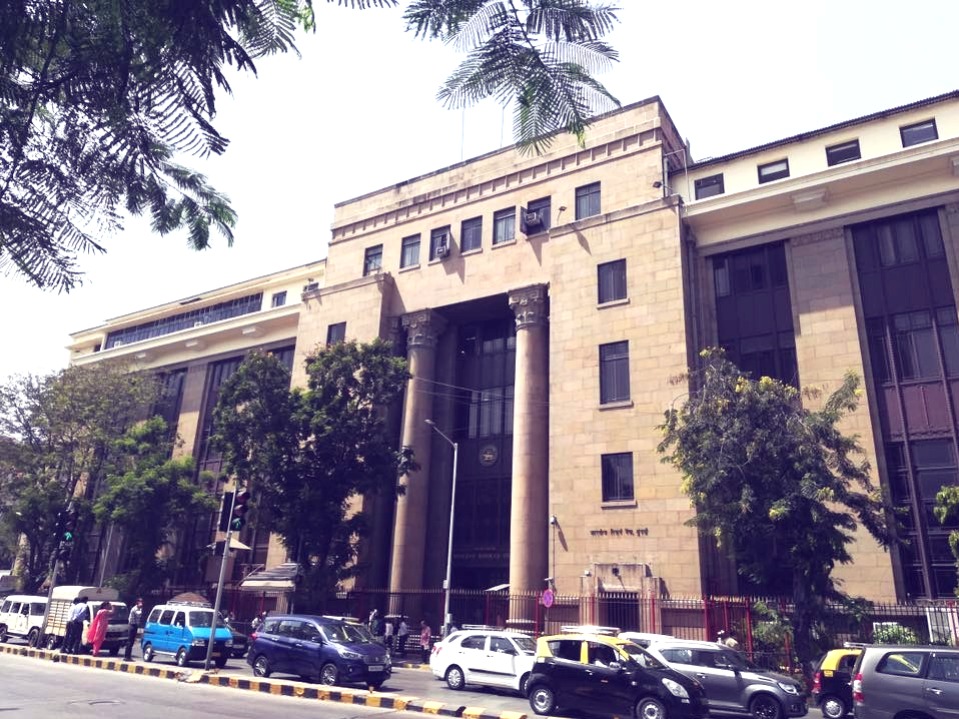
India Bonds Plunge In Worst Fiscal Since 2023 As Mideast War Outweighs RBI Largesse.

Mumbai; March 2026: Indian bonds tumbled in the fiscal year ending March, snapping a two-year rising streak, as demand weakened and the Middle East war sent oil prices surging, outweighing the impact of record debt purchases and cash infusion by the central bank.
Elevated oil prices threaten to raise inflation and widen India’s current account deficit, and could force the central bank to start raising policy rates earlier than anticipated. Bonds are apprehended to continue losing in the weeks ahead, with no end to the war in sight, which will worsen the inflation and growth outlook for the world’s third-largest crude oil importer.
The yield on the 10-year benchmark government 6.48% 2035 bond ended at 7.0345% today, the last working day of the fiscal, after ending at 6.9419% in the previous session. Bond yields move inversely to prices. The yield jumped 37 basis points in March, the most since February 2017, taking its rise for the full year to 45 bps, the first and the biggest rise since fiscal 2023.
The rupee plunged past the 95 to dollar level in its worst fiscal since 2012 and stocks saw the worst March in six years.
A senior economist of an Indian securities entity (name anonymous) informed that, “End of rate cut cycle dynamics have continued to be the key driver of yields since June, even as RBI still eased some more and conducted aggressive OMO purchases. Markets appear to be fearing that the next phase of policy tightening is closer than earlier believed, with RBI already starting to take administrative measures to curb rupee decline”.
The Reserve Bank of India slashed the key policy rate by 100 basis points to 5.25% over a year through February, along with record liquidity infusions via open market operations, secondary-market purchases, foreign exchange swaps and a reduction in banks’ cash reserve ratio. But the measures failed to have a lasting impact on bonds after the central bank changed its policy stance to “neutral” from “accommodative” in June. Its next policy decision is on April 08th, and no rate action is expected.
Foreign buying of bonds dwindled with a net purchase of only around 100 billion rupees ($1.06 billion) in the fiscal year, sharply lower than 970 billion rupees and 1.3 trillion rupees over the previous two fiscals. The attractiveness of Indian bonds for foreign portfolio investors has diminished, largely due to a reduction in returns on a currency‑hedged basis, reiterated by a treasurer of a multinational bank.
India’s April-February fiscal deficit at 80% of 2025/26 target:
- India’s fiscal deficit during the period April 2025 to February 2026 was 12.5 trillion rupees ($132 billion) or 80.4% of the estimate for the financial year ending March 31, government data showed today.
- Net tax receipts at 21.5 trillion rupees, up from 20.2 trillion rupees collected in the same period a year ago.
- Non-tax revenue at 5.8 trillion rupees, compared with 4.9 trillion rupees a year ago.
- Total government expenditure at 40.4 trillion rupees compared with 38.9 trillion rupees a year earlier.
- Capital expenditure, or spending on building physical infrastructure, at 9.3 trillion rupees against 8.1 trillion rupees a year ago.
Team Maverick.






Nicholas Pooran’s Fireworks Power LSG to Commanding 7-Wicket Win Over CSK in High-Scoring IPL Clash
Lucknow, May 2026 : Lucknow Super Giants (LSG) delivered a dominant all-round batting perf…

Nicholas Pooran’s Fireworks Power LSG to Commanding 7-Wicket Win Over CSK in High-Scoring IPL Clash
Lucknow, May 2026 : Lucknow Super Giants (LSG) delivered a dominant all-round batting performance …