Owaisi Opposes Voter Roll Revision in Bengal, Questions ECI’s Role in Citizenship Matters

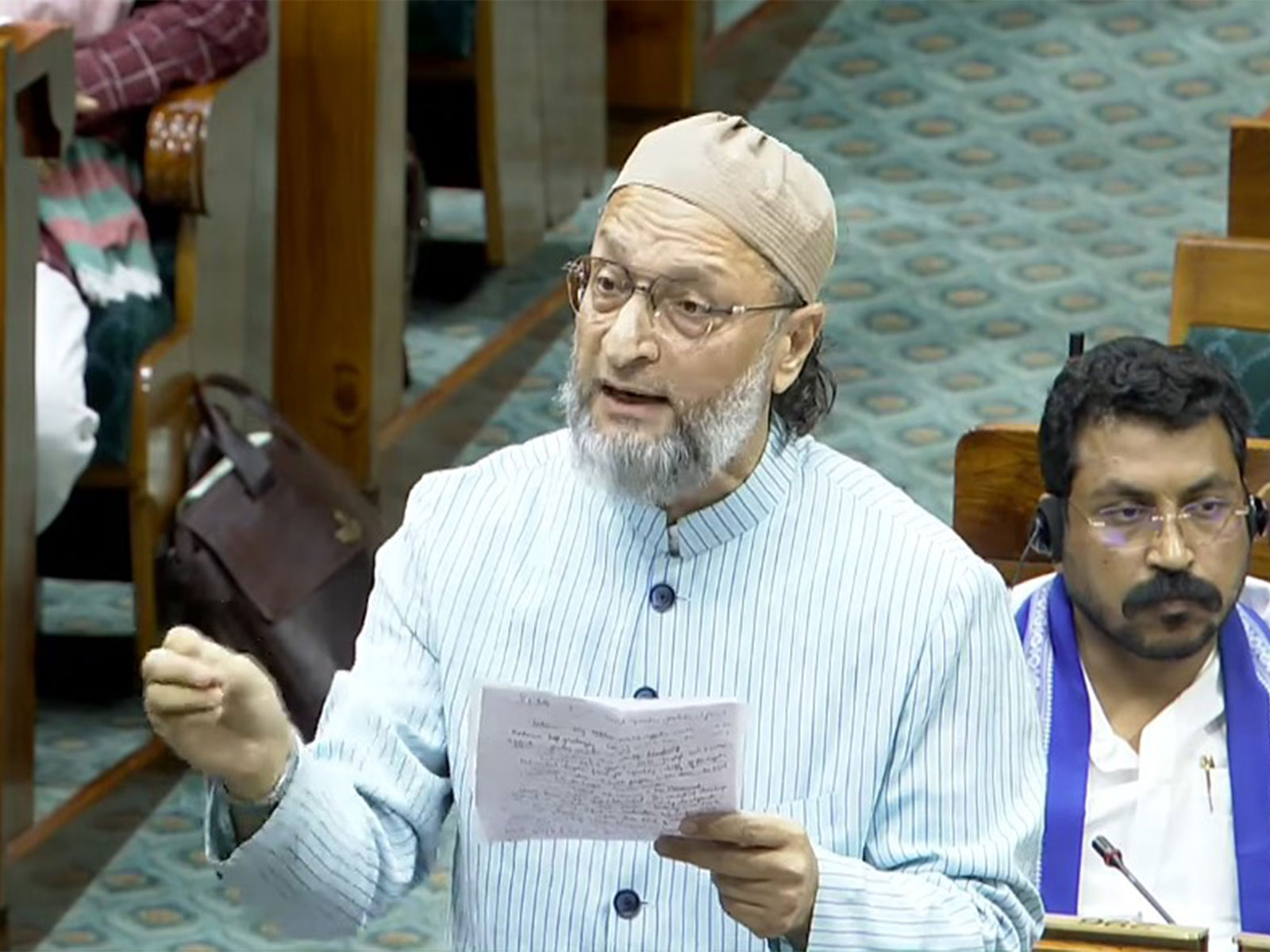
New Delhi, April 2026 : AIMIM President Asaduddin Owaisi on Wednesday strongly criticised the Special Intensive Revision (SIR) of electoral rolls in West Bengal, arguing that the process raises serious constitutional concerns, particularly regarding the issue of citizenship verification.
Addressing reporters during his visit to the state, Owaisi asserted that determining citizenship does not fall under the jurisdiction of the Election Commission of India but is the responsibility of the Ministry of Home Affairs. He emphasised that his party has already challenged the process legally, noting that a writ petition on the matter is currently pending before the Supreme Court of India.
“We oppose the SIR. Citizenship is not within the purview of the Election Commission; it lies with the Union Home Ministry,” Owaisi said, underlining his party’s stance against the ongoing revision exercise.
He also flagged delays in the publication of updated electoral rolls, warning that the situation could disrupt the election process. According to him, a large number of names remain under scrutiny in the adjudication list and need to be finalised without further delay. “The elections have already begun, and these delays are creating serious problems. The process must be expedited,” he added.
Owaisi arrived in Kolkata earlier in the day to kickstart his party’s campaign for the upcoming Assembly elections. He is scheduled to address a major public rally in Murshidabad, a district where his party aims to consolidate support among minority communities.
The All India Majlis-e-Ittehadul Muslimeen (AIMIM) is contesting the elections in alliance with Humayun Kabir’s Jan Unnayan Party. Together, they are seeking to expand their footprint in West Bengal politics. In its debut electoral outing in the state, AIMIM will field candidates in eight Assembly constituencies — three each in Birbhum and Murshidabad, and two in Malda.
The party has also raised broader concerns about development in Muslim-majority regions, particularly in districts like Malda and Murshidabad. It has pointed to high unemployment, migration among youth, and gaps in infrastructure related to higher education and healthcare as key issues affecting these areas.
West Bengal will go to the polls in two phases on April 23 and April 29, with counting of votes scheduled for May 4, setting the stage for a closely watched electoral contest.
Viren Rasquinha Questions India Hockey Team’s New Saffron Jersey
New Delhi, July 2026 : Former India hockey captain Viren Rasquinha has criticised Hockey I…

Viren Rasquinha Questions India Hockey Team’s New Saffron Jersey
New Delhi, July 2026 : Former India hockey captain Viren Rasquinha has criticised Hockey …