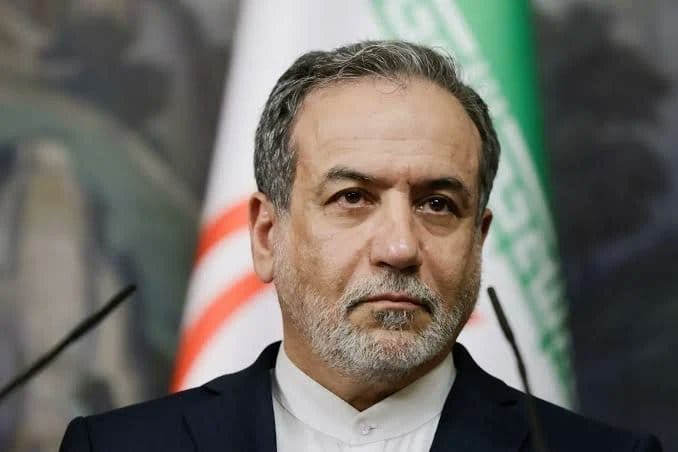
Iran Warns of Strong Retaliation Against US Over Strait of Hormuz Blockade

Tehran, April 2026: Iran has issued a stern warning to the United States, vowing a strong response if Washington continues its naval blockade and actions against Iranian shipping in the region. The warning came from Iran’s top military command, the Khatam al-Anbiya Central Headquarters, which described the US measures as “blockade, banditry and piracy” in West Asia.
In a statement carried by Iranian media, the command criticised the US-imposed restrictions in the strategically vital Strait of Hormuz, a key global energy transit route. The blockade has prevented vessels traveling to and from Iranian ports from freely navigating the waterway, while several Iran-bound ships have reportedly been intercepted or redirected in recent days.
The Iranian military leadership asserted that its armed forces are now stronger and more prepared than ever to defend the country’s sovereignty, territorial integrity, and national interests. It warned that the United States had already witnessed a glimpse of Iran’s military capabilities during the recent conflict and could face more severe consequences if hostilities escalate again.
The statement further emphasized that Iranian forces remain on high alert, closely monitoring what it termed “enemy movements” in the region. It added that Iran retains full control over the Strait of Hormuz and is ready to inflict “heavier damage” on both the United States and Israel if what it described as acts of aggression are repeated.
Amid rising tensions, reports also suggest that Iran is unwilling to engage in negotiations under conditions set by Washington. According to sources cited by Saudi-linked media, Tehran has rejected talks that involve what it considers unacceptable “red lines” imposed by the US.
Diplomatic activity, however, continues in parallel. Iranian Foreign Minister Abbas Araghchi recently visited Islamabad, where he met Pakistan’s Army Chief Asim Munir. During the meeting, Araghchi conveyed Iran’s position on the recent ceasefire and broader regional developments, including prospects for peace and stability in West Asia.
The tensions stem from a series of escalatory moves over the past two months. Iran had tightened its control over the Strait of Hormuz from February 28, barring vessels linked to the United States and Israel following joint strikes on Iranian territory. A ceasefire was eventually reached on April 8 after 40 days of conflict involving Iran, the US, and Israel.
Subsequent negotiations between Iranian and American delegations held in Islamabad on April 11–12 failed to produce a breakthrough. In response, the United States imposed its own naval blockade on Iranian ports, further complicating the situation.
Plans for another round of talks in Pakistan this week have reportedly stalled, with Iran declining to participate. Officials in Tehran cited the continued US blockade and what they described as “excessive demands” as key reasons for staying away from negotiations.
With both sides adopting firm positions and military rhetoric intensifying, the situation in and around the Strait of Hormuz remains highly volatile. The ongoing standoff has raised global concerns, particularly due to the waterway’s critical importance for international trade and energy supplies.
(The content of this article is sourced from a news agency and has not been edited by the Mavericknews30 team.)





Iran Set to Acquire Chinese MANPADS Amid Rising Regional Tensions, Report Says
New Delhi, July 2026 : Iran is expected to receive its first shipment of Chinese-made shou…
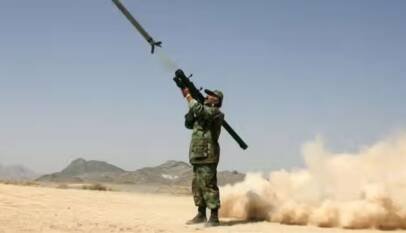
Iran Set to Acquire Chinese MANPADS Amid Rising Regional Tensions, Report Says
New Delhi, July 2026 : Iran is expected to receive its first shipment of …