From Hill Streams to Hatcheries: ICAR-CIFRI Achieves India’s First Breakthrough in Captive Breeding and larval rearing of Channa stewartii

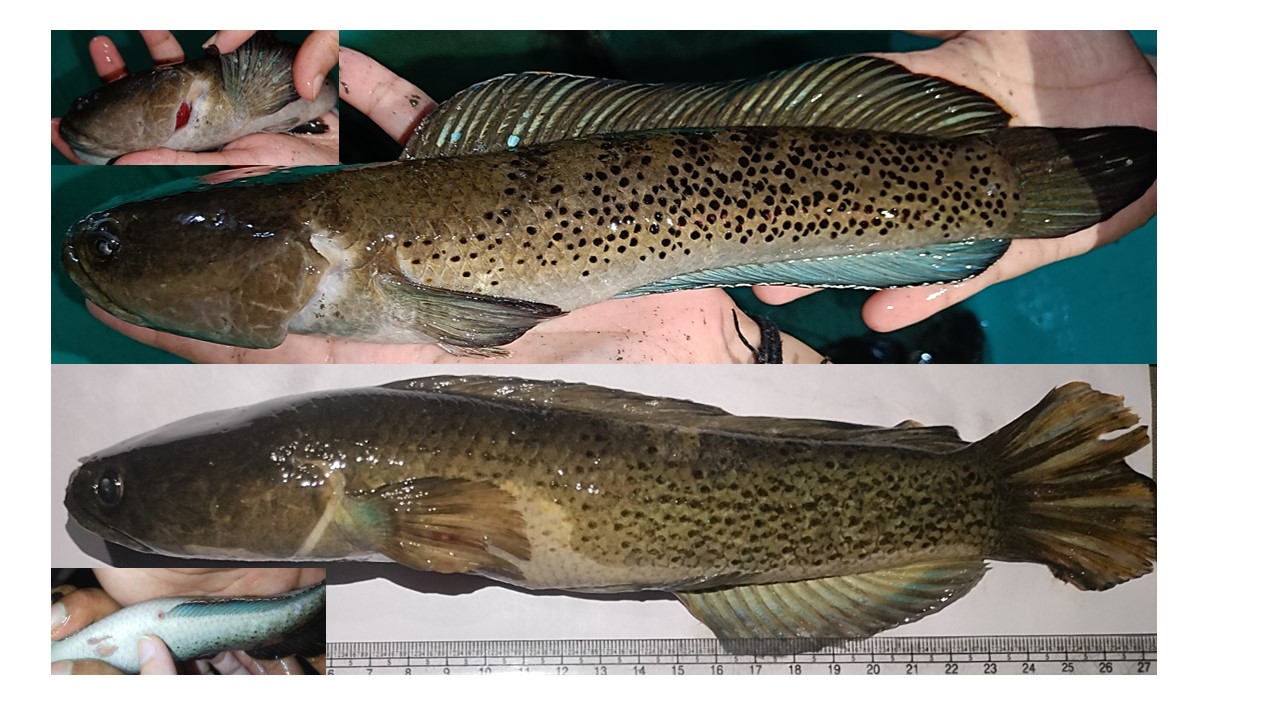
May 2026 : In the pristine hill streams of the upper Brahmaputra, Channa stewartii—the Assamese snakehead—has long remained a hidden gem of Northeast India’s aquatic biodiversity. Small in size (around 20 cm) yet striking in appearance with iridescent blue fins and elegant stripes, this species has recently gained popularity in the ornamental fish trade, fetching ₹600–1200 per pair. However, rising demand has intensified wild collection, posing serious threats to fragile hill-stream ecosystems. Until now, the absence of a standardized captive breeding protocol limited both conservation and sustainable commercialization.
Recognizing this gap, ICAR–Central Inland Fisheries Research Institute (ICAR-CIFRI) initiated a pioneering effort under the AINP on Ornamental Fish Breeding and Culture at its Regional Centre, Guwahati. Beginning in April 2024, nearly 30 wild-caught brooders (200–230 g) were acclimatized under controlled conditions to initiate systematic breeding research.
To encourage natural breeding behaviour, researchers designed a semi-natural environment using cemented tanks enriched with sand substrates, bamboo structures, and earthen refugia. This habitat simulation reduced stress and supported reproductive readiness. Broodstock management followed strict scientific protocols, with optimal water quality maintained and live feed such as earthworms, ant larvae, and aquatic invertebrates provided to enhance gonadal maturation.
A mature breeding pair was identified through clear sexual dimorphism—males displaying nuptial tubercles and milt release, and females showing distended abdomens with ova release. The pair was transferred to a semi-natural FRP tank, where successful spawning occurred. The species exhibited fecundity ranging from 1,578 to 2,769 eggs, with spherical, buoyant eggs measuring approximately 820 µm.
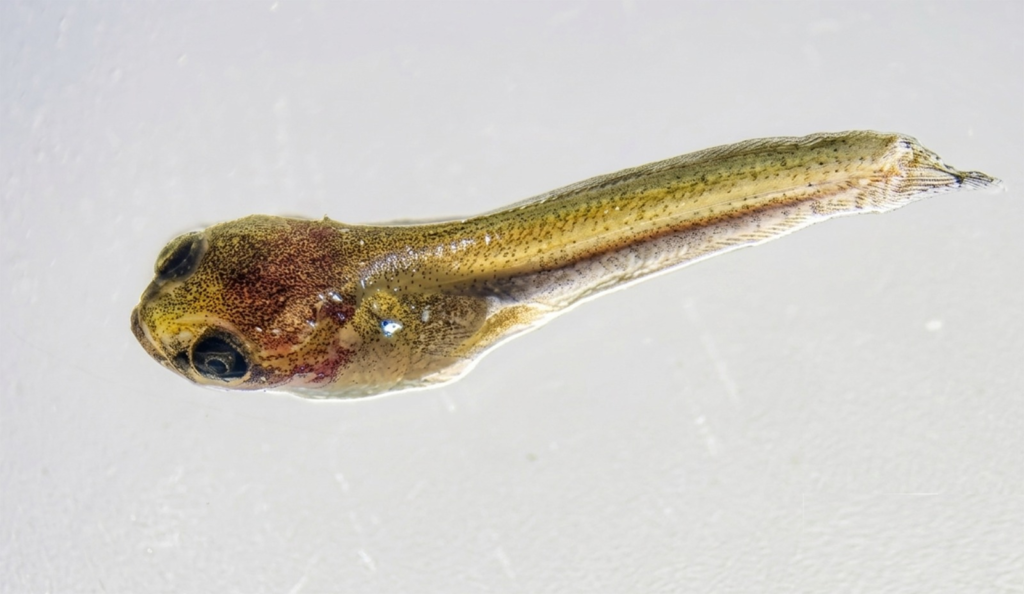
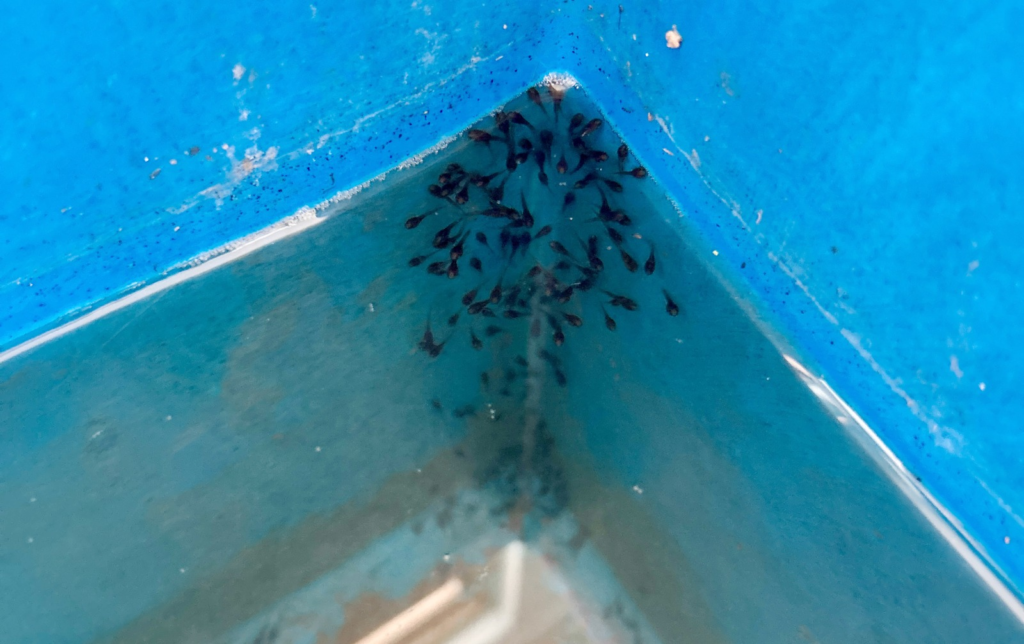
In April 2026, ICAR-CIFRI achieved a historic milestone: India’s first successful natural captive breeding and larval rearing of Channa stewartii. With a hatching success rate of 73%, larvae (~8.4 mm) displayed active movement and parental care before being transitioned to rearing systems. The study also demonstrated successful larval rearing, with healthy emergence and free-swimming behaviour under controlled conditions—completing the species’ propagation cycle.
Notably, this breakthrough was achieved without hormonal intervention, highlighting the effectiveness of environmental optimization and broodstock management. It establishes a replicable, eco-friendly model for ornamental fish production.
Dr. Pradip Dey, Director, ICAR-CIFRI, emphasized that this success offers a sustainable pathway for ornamental fisheries. He underscored the need to scale hatchery production under PMMSY, reduce dependence on wild stocks, and promote aquapreneurship among youth and farmers. He also highlighted the importance of certification systems, regulated harvesting, and regional clustering in Northeast India through collaboration among ICAR, KVKs, and State Fisheries Departments.
Beyond its scientific significance, this achievement represents a vital step toward conservation and livelihood generation. By reducing pressure on wild populations and enabling captive production, it creates new opportunities for rural entrepreneurship. As the first documented success of its kind in India, this work lays a strong foundation for future research, large-scale propagation, and sustainable commercialization—demonstrating how innovation can harmonize biodiversity conservation with economic development.