Rising Fuel Prices From Iran Conflict Create Political Challenge for Trump Ahead of Midterm Polls

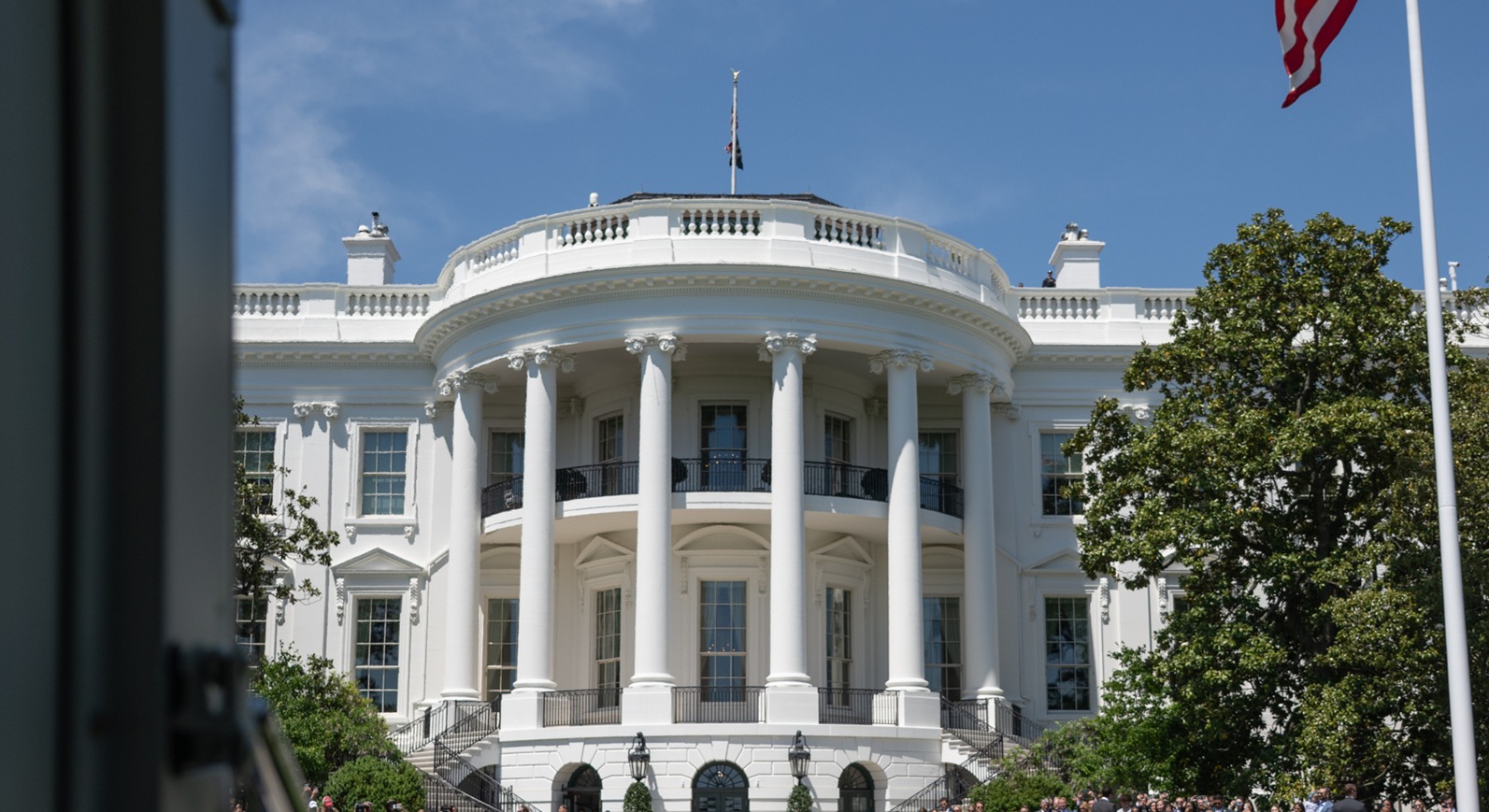
Washington, May 2026 : Escalating fuel prices and mounting economic concerns linked to the ongoing Iran conflict are emerging as a significant political challenge for US President Donald Trump and the Republican Party ahead of the upcoming midterm elections.
As the conflict in West Asia continues to impact global energy markets, the rising cost of petrol and diesel in the United States has intensified political debate over the administration’s foreign policy decisions and their effect on ordinary Americans.
Senior officials in the Trump administration and Republican leaders have defended the President’s handling of the Iran crisis, arguing that national security and preventing Iran from developing nuclear weapons remain top priorities. However, Democrats have sharply criticised the White House, accusing it of dragging the country into a costly conflict that is worsening inflation and placing additional pressure on households.
Appearing on CBS News, US Trade Representative Jamieson Greer acknowledged that Americans were facing higher fuel costs as the Gulf conflict continued.
According to figures cited during the interview, average gasoline prices in the United States have climbed to $4.51 per gallon, with Americans reportedly spending nearly $45 billion more on fuel compared to the same period last year.
Greer admitted that the administration understood public frustration over rising costs but insisted that strategic concerns regarding Iran’s nuclear ambitions could not be ignored.
“We know that no one wants to see higher gas prices,” Greer said, while adding that President Trump was balancing economic concerns with broader foreign policy priorities.
“We don’t want our children or grandchildren to inherit a world where Iran has a nuclear weapon,” he added.
The economic fallout from the conflict has increasingly become part of domestic political discussions across major American news networks.
On CNN, former Transportation Secretary Pete Buttigieg blamed the Trump administration for triggering price increases across multiple sectors of the economy.
Buttigieg argued that the conflict had pushed up the cost of fuel, fertilisers, mortgages and transportation, affecting millions of American families.
He claimed that the surge in diesel and gasoline prices was making travel increasingly unaffordable for ordinary citizens.
“More and more Americans cannot afford a road trip because of the explosion in diesel prices and gas prices caused directly by the Iran war,” Buttigieg said during the discussion.
President Trump, however, defended his administration’s focus on Iran’s nuclear programme despite criticism over the economic consequences.
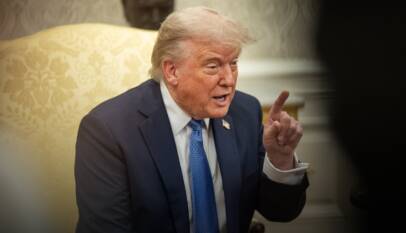
During remarks highlighted by ABC News, Trump said national security concerns remained his primary focus.
“I don’t think about Americans’ financial situation,” Trump reportedly said while discussing the conflict.
“I think about one thing, we cannot let Iran have a nuclear weapon,” he added.
The comments immediately drew strong criticism from Democratic leaders, who accused the administration of being disconnected from the financial struggles of ordinary Americans.
House Democratic leader Hakeem Jeffries accused Trump of leading the country into what he described as a “reckless and costly war of choice.”
Democratic Congressman Jake Auchincloss also argued that voters were increasingly linking inflation and higher living costs to the administration’s foreign policy approach.
“Prices go up,” Auchincloss said, referring to both the Iran conflict and trade tensions with China.
Republican leaders, however, sought to reassure voters that the economic pain would be temporary and manageable.
Former White House Press Secretary Sean Spicer argued on CNN that Americans recognised the broader security risks posed by Iran.
“There’s a bigger existential threat that Iran poses to our safety,” Spicer said while defending the administration’s position.
Republican Congressman Buddy Carter predicted that fuel prices would eventually stabilise once the regional conflict eased.
“As soon as this conflict is over, I can assure you gas prices are going to go down,” Carter stated.
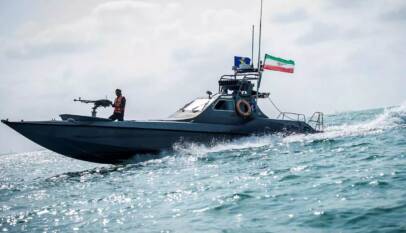
Global attention remains focused on the Strait of Hormuz, a strategically vital shipping route through which a significant share of the world’s oil exports passes.
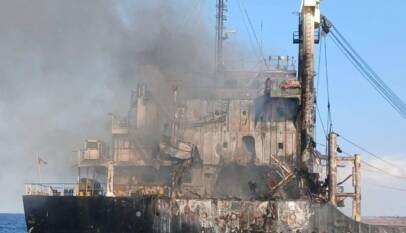
Continued instability in the region has raised concerns over energy supply disruptions, inflationary pressure and slower economic growth across several countries dependent on imported energy, including India.
Analysts warn that if tensions in West Asia continue for an extended period, higher oil prices could further strain global economies already dealing with inflation and supply chain challenges.
(The content of this article is sourced from a news agency and has not been edited by the Mavericknews30 team.)



Jaishankar, Rubio Push for Defence Pacts and Near-Final Trade Deal at Manila Meeting
Manila, July 2026 : India and the United States on Wednesday gave fresh momentum to their …
Jaishankar, Rubio Push for Defence Pacts and Near-Final Trade Deal at Manila Meeting
Manila, July 2026 : India and the United States on Wednesday gave fresh momentum …