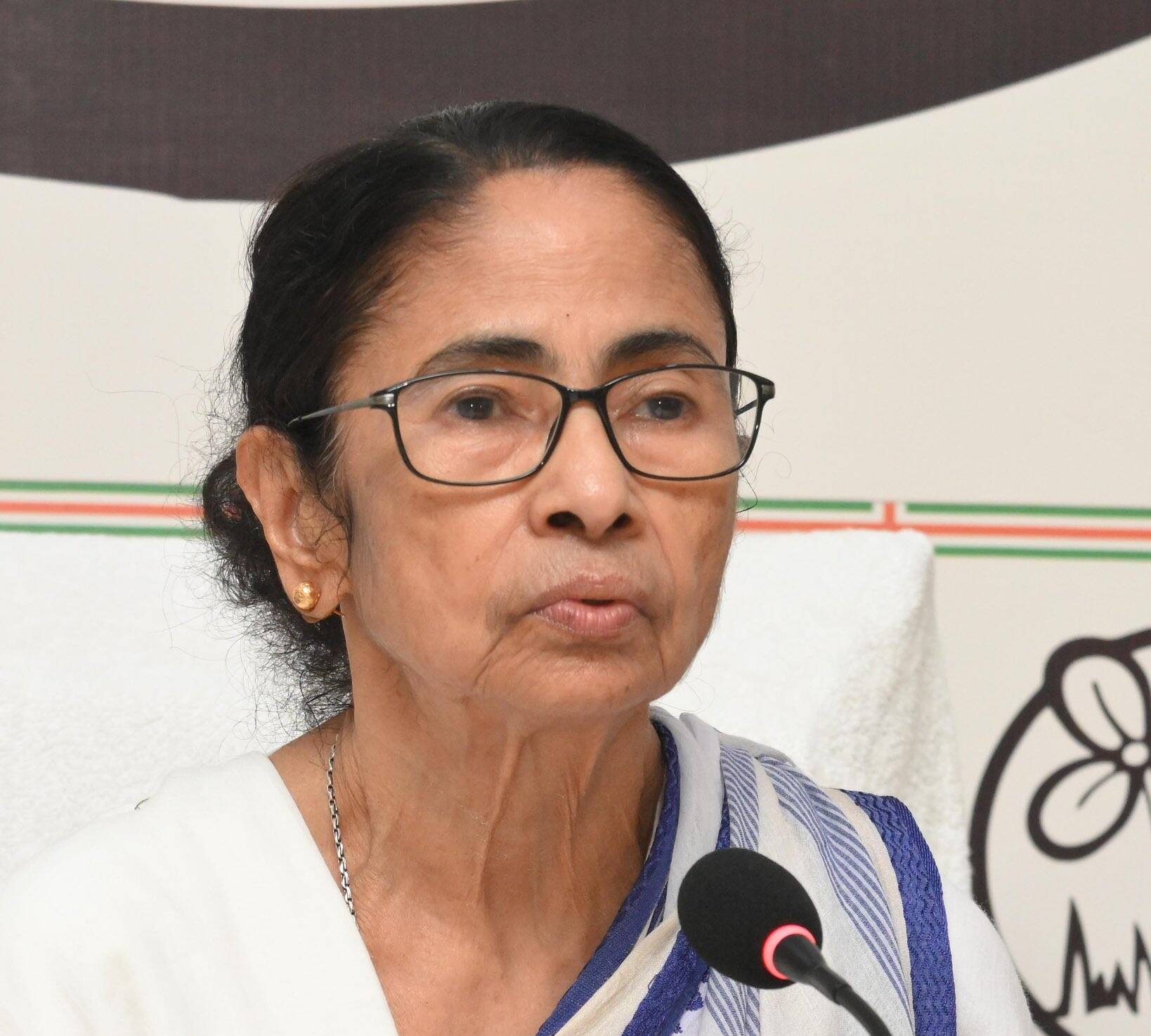
Signature Controversy Deepens Trinamool’s Crisis After Electoral Rout

New Delhi, June 2026 : The decision of the Trinamool Congress (TMC) leadership to expel two of its legislators on Monday is being widely interpreted as an attempt to contain the damage arising from a controversy that has shaken the party in the aftermath of its crushing defeat in the West Bengal Assembly elections. What initially appeared to be a procedural dispute has now evolved into a larger political crisis, exposing deep fissures within the organisation and raising serious questions about its internal functioning.
At the centre of the storm is the alleged fraudulent use of legislators’ signatures on party-related documents, a controversy that many political observers believe reflects years of organisational decline within the Trinamool Congress. Critics argue that the issue is not merely about disputed signatures but about a broader culture of centralisation, lack of accountability and weakening internal democracy within the party.
The controversy has placed renewed scrutiny on TMC General Secretary Abhishek Banerjee, whose endorsement reportedly appeared on the disputed document. The matter has attracted the attention of investigators, with the state Criminal Investigation Department (CID) seeking his presence for questioning as part of its inquiry.
The episode has also added to the political challenges facing TMC chairperson Mamata Banerjee, who is attempting to rebuild her party’s standing after a devastating electoral setback. The Assembly election results not only removed the Trinamool Congress from power but also dealt a personal blow to Mamata Banerjee, who lost her traditional stronghold of Bhabanipur to former party colleague and current Chief Minister Suvendu Adhikari.
Political analysts believe the latest controversy could weaken Mamata Banerjee’s efforts to play a larger role in national opposition politics. Since the election defeat, she has sought to revive anti-BJP unity under the INDIA platform and position herself as a key Opposition leader. However, the turmoil within her own party threatens to undermine those efforts, as critics question her ability to maintain cohesion within the Trinamool Congress.
The leadership’s decision to expel MLAs Sandipan Saha and Ritabrata Banerjee has further intensified the debate. Both legislators had reportedly voiced concerns regarding the signature controversy and were among those who challenged the party leadership during a post-election review meeting. Their expulsion has been viewed by some observers as an effort to suppress dissent rather than address the underlying issues.
Reports indicate that at least three MLAs openly criticised the leadership during internal discussions, blaming what they described as the excessive influence of a small group of decision-makers for the party’s electoral collapse. The expelled legislators were reportedly among the most vocal critics. Senior party leader Kunal Ghosh is also believed to have expressed reservations about recent developments, although he has publicly reaffirmed his loyalty to the party.
The roots of the current crisis, however, extend far beyond the recent election defeat. Even before the polls, Mamata Banerjee had been grappling with multiple challenges both as Chief Minister and party chief. Her government faced allegations linked to various corruption scandals and criticism over law-and-order issues, while internal factionalism continued to trouble the party organisation.
In its formative years, the Trinamool Congress benefited significantly from the organisational skills of leaders such as Mukul Roy and Suvendu Adhikari. Roy played a crucial role in building the party’s statewide structure, while Adhikari emerged as a powerful regional organiser, particularly through his leadership during the Nandigram movement that helped propel the party to power.
As Mamata Banerjee became increasingly occupied with governance after assuming office, many observers believe her direct involvement in party management diminished. She herself has occasionally acknowledged the difficulty of balancing administrative responsibilities with organisational oversight.
During this period, Abhishek Banerjee emerged as an influential figure within the party. Seeking to modernise its operations, he introduced professional political consultants, data-driven campaign strategies and enhanced social media outreach. While these initiatives were designed to strengthen the organisation, critics argue that they sometimes came at the cost of grassroots engagement, which had traditionally been the party’s greatest strength.
The resulting changes reportedly alienated several senior leaders who felt sidelined by the new style of functioning. Over time, prominent figures including Mukul Roy and Suvendu Adhikari left the party, while others became entangled in controversies and legal challenges. The departures significantly weakened the leadership pool that had once supported Mamata Banerjee’s political rise.
Observers note that the Trinamool Congress has increasingly struggled with internal discord in recent years. Public disagreements, leaked communications and factional rivalries have frequently surfaced, creating an impression of a party grappling with its own internal contradictions.
The perception of an “aunt-nephew” power structure within the organisation has also generated resentment among certain sections of the leadership. Efforts by Mamata Banerjee to curb corruption and restore discipline, including public criticism of leaders accused of taking “cut money,” failed to fully address concerns about malpractice and organisational accountability.
Against this backdrop, the signature controversy has come to represent more than an isolated dispute. For critics, it symbolises the cumulative effect of years of organisational drift, weakening internal checks and growing detachment between the leadership and sections of the party cadre. Whether the Trinamool Congress can successfully navigate this crisis and rebuild its organisational strength remains one of the key political questions facing West Bengal in the post-election landscape.
(The content of this article is sourced from a news agency and has not been edited by the Mavericknews30 team.)






Taiwan Reaffirms South China Sea Claims After Philippines Submits Scarborough Shoal Chart to UN
Taipei, Aug 2026 : Taiwan on Sunday reaffirmed its sovereignty claims over islands in the …

Taiwan Reaffirms South China Sea Claims After Philippines Submits Scarborough Shoal Chart to UN
Taipei, Aug 2026 : Taiwan on Sunday reaffirmed its sovereignty claims over islands in …