FIP Challenges Official Findings in Air India AI 171 Crash, Cites Electrical Failure as Likely Cause

New Delhi, June 2026 : The Federation of Indian Pilots (FIP) has questioned the official narrative surrounding the crash of Air India Boeing Flight AI 171, claiming that fresh simulator analysis points to a catastrophic electrical failure rather than deliberate pilot action as the primary cause of the tragedy.
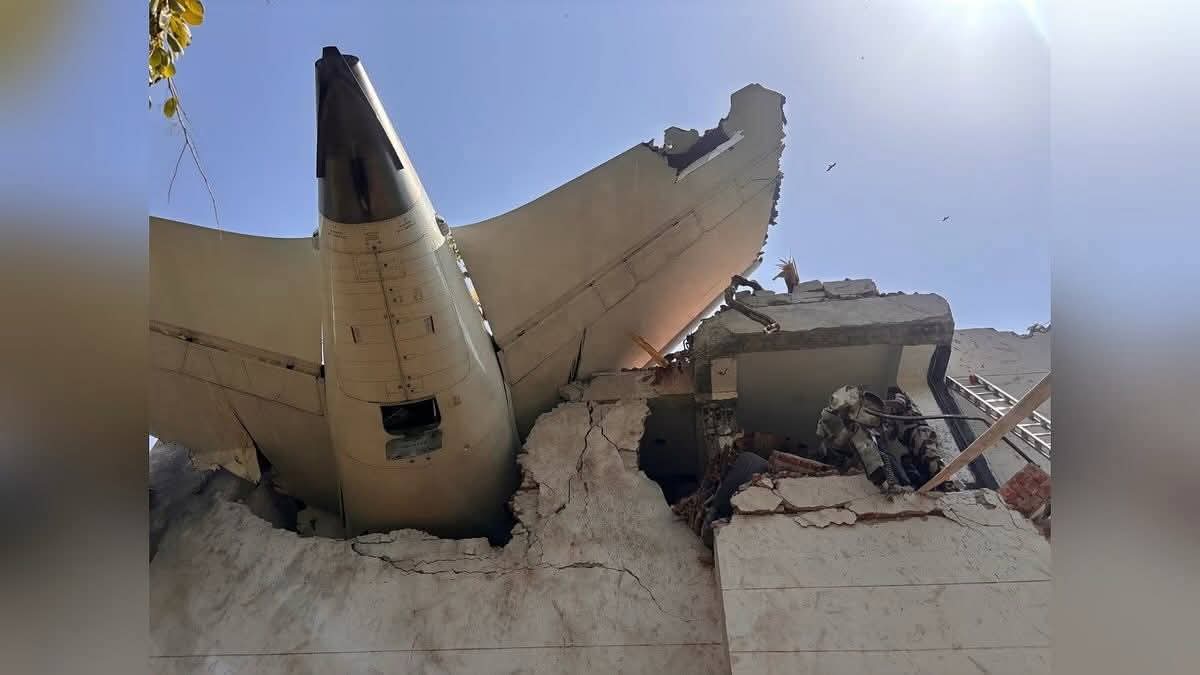
The aircraft crashed moments after taking off from Ahmedabad airport on June 12, 2025, resulting in one of the most devastating aviation disasters in recent years. While the interim investigation report suggested that the flight crew intentionally shut off fuel supply to the engines, leading to the aircraft’s loss of power and eventual crash, the pilots’ body has strongly disputed those conclusions.
Addressing a press conference, FIP President Captain C.S. Randhawa said extensive simulator tests conducted by the federation under conditions matching the aircraft’s weight, balance, and weather environment revealed significant inconsistencies in the official findings.
According to the interim report, the aircraft’s ram air turbine (RAT)—an emergency backup power system designed to deploy automatically during major power loss—activated just four seconds after the engines were allegedly shut down manually. Investigators interpreted this sequence as evidence supporting the theory that the fuel supply had been intentionally cut off.
However, Randhawa argued that the federation’s simulations demonstrated that a manual fuel cutoff would require approximately 18 seconds before triggering the deployment of the backup turbine.
“Our tests show that the timeline presented in the report is technically impossible if the engines were manually shut down. The four-second interval simply does not match the aircraft’s operating characteristics,” he said.
The FIP believes the rapid deployment of the RAT indicates a sudden and severe electrical system failure that affected the aircraft before the engines lost power. According to the federation, such a failure could have disrupted multiple onboard systems, including engine controls, eventually leading to the crash.
The pilots’ body also pointed to statements from the lone survivor of Flight AI 171, who reportedly observed cabin lights flickering and dimming shortly before the aircraft entered its fatal descent. FIP officials said this observation is consistent with a large-scale electrical malfunction.
Further strengthening its argument, the federation claimed that the aircraft had a history of unresolved electrical issues prior to the accident. It alleged that these concerns were not adequately considered during the investigation.
FIP also accused investigators of excluding Captain R.S. Sandhu, regarded by many in the aviation industry as one of India’s most experienced Boeing 787 specialists, from key stages of the inquiry.
Randhawa alleged that valuable technical expertise had been sidelined in favour of a predetermined conclusion. He argued that blaming deceased pilots without fully examining potential mechanical or software failures would undermine the integrity of the investigation.
The federation confirmed that it has submitted its simulator findings and technical data to both Boeing and Indian aviation authorities. It has urged officials to delay the final accident report until the discrepancies surrounding the turbine deployment timeline are thoroughly examined and has called for Captain Sandhu’s reinstatement to the investigation team to ensure an independent and transparent review.
As debate over the cause of the crash intensifies, the final investigation report is expected to face close scrutiny from aviation experts, regulators and the global airline industry.
(The content of this article is sourced from a news agency and has not been edited by the Mavericknews30 team.)




Pralhad Joshi inaugurates new testing facilities and lays the foundation stone for the expansion of National Test House infrastructure in Mumbai
New testing facilities to bolster India’s quality assurance ecosystem and enhance in…

Pralhad Joshi inaugurates new testing facilities and lays the foundation stone for the expansion of National Test House infrastructure in Mumbai
New testing facilities to bolster India’s quality assurance ecosystem and enhance industrial competitiveness National …