Kuwait and Bahrain Activate Air Defences as Iran Claims Strikes on US Bases Amid Escalating Gulf Tensions

Kuwait City, July 2026 : Tensions across the Gulf escalated sharply on Monday after Kuwait and Bahrain activated emergency security measures following reports of hostile aerial activity, as Iran’s Islamic Revolutionary Guard Corps (IRGC) claimed responsibility for launching missile and drone attacks targeting US military installations in the region.
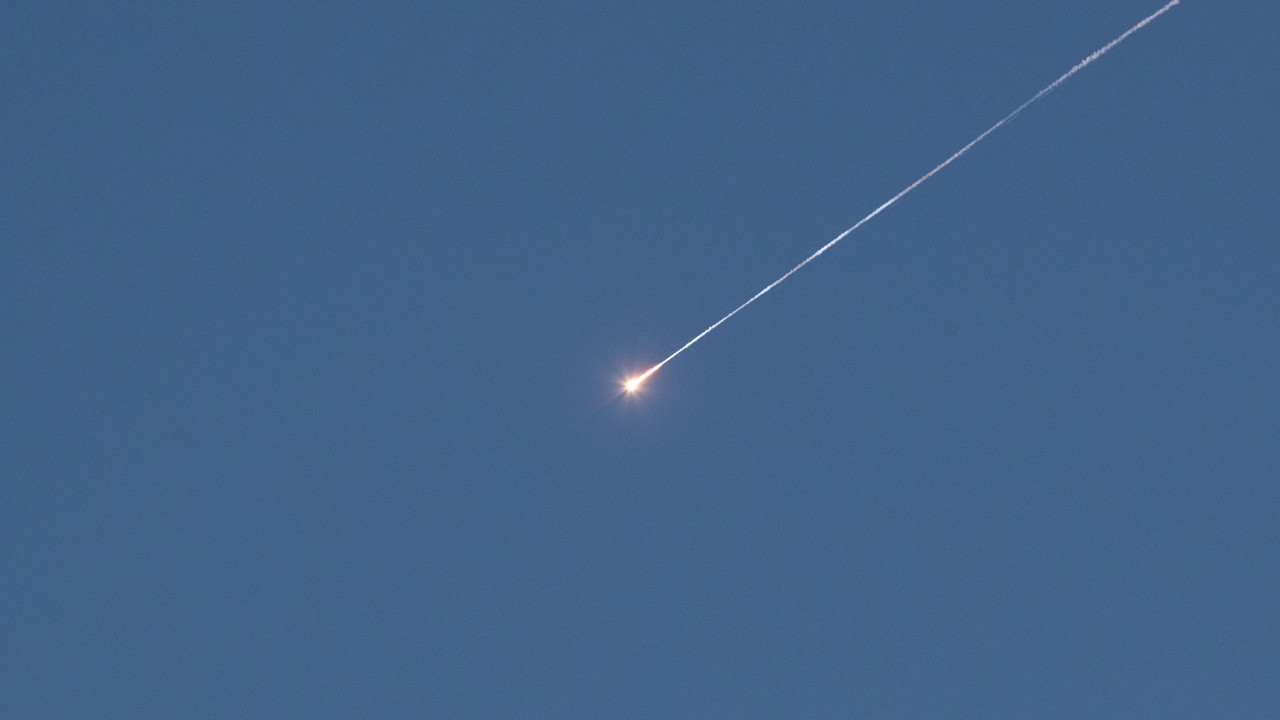
Kuwait’s armed forces confirmed that their air defence systems were actively intercepting aerial threats within the country’s airspace. The military urged citizens and residents to remain calm and strictly follow official security advisories while operations were underway.
In a statement posted on social media, the Kuwait Army said its forces were confronting hostile aerial targets and clarified that any loud explosions heard by the public were likely the result of defensive interceptions carried out by the country’s air defence systems. Authorities appealed to residents to rely only on official information and comply with all safety instructions issued by the relevant agencies.
Neighbouring Bahrain also moved swiftly to implement emergency protocols. The country’s Ministry of Interior announced that warning sirens had been activated and instructed both citizens and expatriates to immediately proceed to the nearest safe shelters while maintaining calm.
The heightened alert followed Iran’s announcement that it had begun a series of retaliatory military operations against US military facilities across the Middle East. According to Iran’s official news agency IRNA, the IRGC said the strikes were launched after US forces carried out fresh airstrikes on targets in southern Iran, which Washington said were aimed at preventing attacks on commercial shipping in the Strait of Hormuz.
Iran alleged that the latest confrontation began after its forces intercepted two vessels navigating through the Strait of Hormuz without authorised routing and with their tracking systems switched off. Tehran claimed the incident prompted subsequent US military action, leading to its retaliatory response.
According to the IRGC, the first phase of its operation targeted the Prince Hassan Air Base in Jordan using a combination of ballistic missiles and armed drones. Iranian officials claimed the strikes were directed at military infrastructure linked to US operations.
The second phase reportedly focused on the Sheikh Isa Air Base in Bahrain, where the IRGC claimed to have struck helicopter maintenance facilities, aircraft hangars housing surveillance platforms, and command centres used for American drone operations.
Iran also claimed that the third and fourth phases of its campaign targeted US military facilities in Kuwait. According to the IRGC, missile and drone strikes hit Ali Al Salem Air Base, destroying fuel storage facilities and a Patriot air defence system. Iranian officials further alleged that Ahmad Al Jaber Air Base was struck, damaging an FPS strategic radar installation.
The IRGC additionally claimed that its ground forces attacked a US missile base in Kuwait, destroying High Mobility Artillery Rocket System (HIMARS) launchers and ammunition depots. These claims have not been independently verified, and there has been no official confirmation from US or Kuwaiti authorities regarding the extent of any damage.
Iran also reiterated its position on the Strait of Hormuz, describing the strategic waterway as falling within its territorial sphere and warning that it would not tolerate what it called unlawful foreign military interference in the region.
The Strait of Hormuz remains one of the world’s most critical maritime corridors, with nearly a fifth of global oil shipments passing through the narrow channel connecting the Persian Gulf to international waters. Any disruption to navigation through the strait has immediate consequences for global energy supplies, commercial shipping and international financial markets.
The latest exchange of military action has significantly heightened concerns of a broader regional conflict involving Iran, the United States and Gulf allies. Security agencies across the region remain on high alert as governments closely monitor the evolving situation amid growing fears that further retaliatory strikes could threaten regional stability and disrupt one of the world’s most strategically important energy corridors.
(The content of this article is sourced from a news agency and has not been edited by the Mavericknews30 team.)






India Begin 2027 World Cup Roadmap as Rohit, Kohli and Bumrah Return for ODI Series Opener Against England
Birmingham, July 2026 : Team India will shift its focus firmly to the 50-over format when …

India Begin 2027 World Cup Roadmap as Rohit, Kohli and Bumrah Return for ODI Series Opener Against England
Birmingham, July 2026 : Team India will shift its focus firmly to the 50-over …