Drones Revolutionising Modern Warfare, Reshaping Global Defence Strategies

New Delhi, July 2026 : Drones have emerged as one of the most transformative technologies in modern warfare, fundamentally changing the way military operations are planned and executed. Once limited to reconnaissance and surveillance missions, unmanned aerial systems (UAS) have evolved into versatile platforms capable of conducting intelligence gathering, precision strikes, logistics support, electronic warfare and autonomous combat operations. Their rapid development has made them indispensable assets for armed forces across the world.
Recent conflicts have demonstrated that drones are no longer auxiliary systems but central elements of military strategy. From the battlefields of Ukraine to the Middle East, inexpensive unmanned aircraft have repeatedly challenged sophisticated conventional forces by delivering significant battlefield impact at a fraction of the cost of traditional military platforms. This has compelled defence establishments worldwide to accelerate investments in drone technologies while simultaneously strengthening counter-drone capabilities.
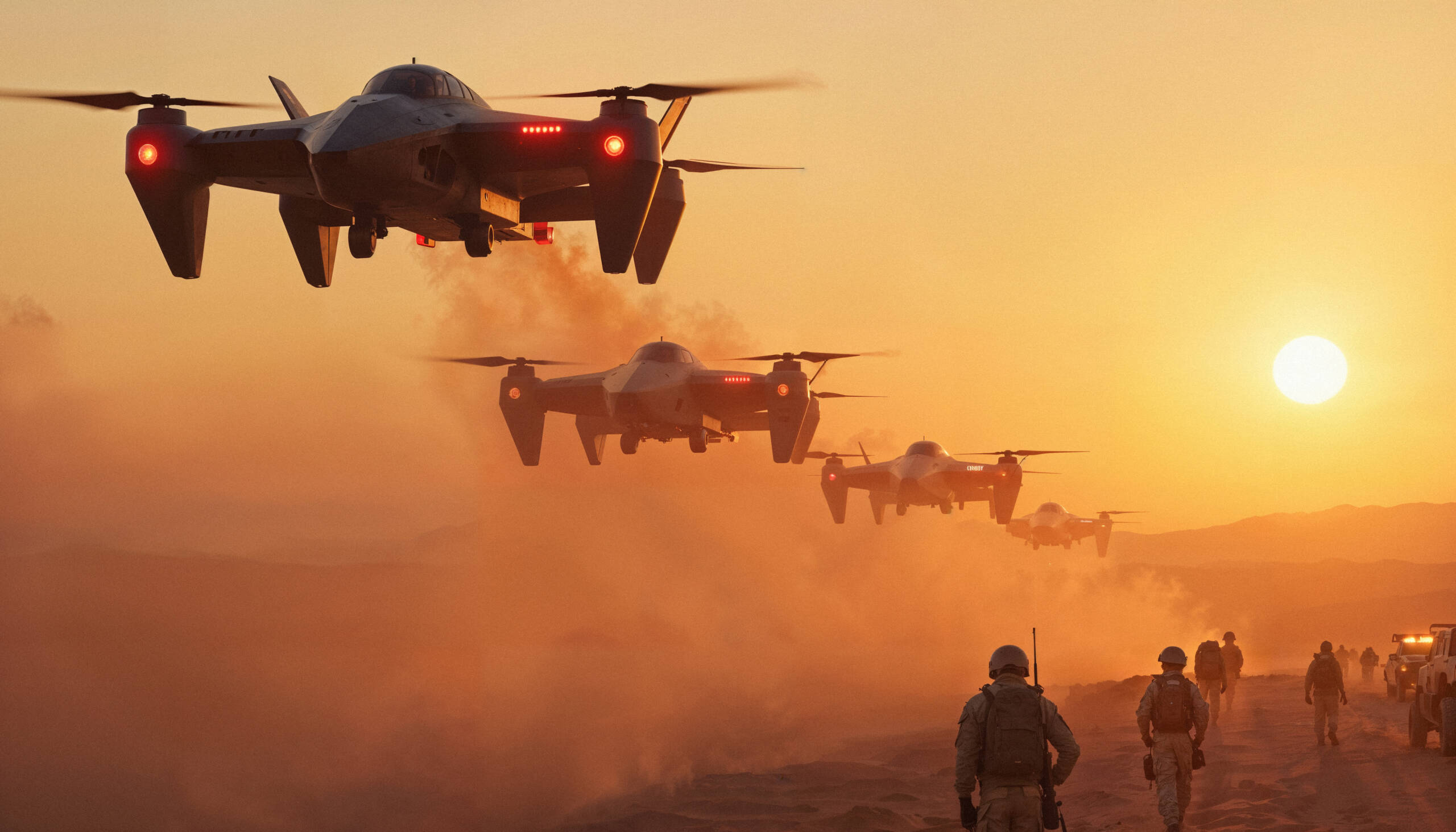
One of the defining advantages of drones is their affordability. Compared to fighter aircraft, helicopters or missile systems that require enormous financial investments, drones can be produced and deployed at comparatively low costs. This has created a new battlefield reality where even smaller nations and non-state actors can employ advanced aerial capabilities that were once the preserve of major military powers. Swarms of low-cost drones have proven capable of overwhelming expensive air defence systems, forcing militaries to rethink conventional doctrines and adopt layered defensive strategies.
Modern drones have evolved far beyond their original surveillance role. Equipped with advanced sensors, artificial intelligence, high-resolution cameras and precision-guided weapons, they now perform a wide range of missions including intelligence, surveillance and reconnaissance (ISR), target acquisition, electronic warfare, precision strikes and battle damage assessment. Their ability to operate in highly contested environments where GPS signals are jammed or communication networks are disrupted makes them particularly valuable in contemporary combat scenarios.
Artificial intelligence has further enhanced drone capabilities by enabling autonomous navigation, target recognition and rapid decision-making. Instead of relying entirely on remote operators, many next-generation systems can independently analyse battlefield conditions, identify threats and execute missions with minimal human intervention. Such capabilities significantly reduce reaction times and improve operational efficiency, especially during high-intensity conflicts.
Beyond offensive operations, drones are increasingly playing a crucial logistical role. Heavy-lift unmanned platforms are capable of transporting ammunition, food, fuel, medicines and essential supplies to troops deployed in remote mountainous regions or hostile battlefields where conventional transport methods may be vulnerable or impractical. This has greatly improved operational flexibility and ensured sustained support for frontline forces.
Combat drones have also strengthened modern air defence operations. Advanced interceptor drones can detect, track and neutralise hostile aerial threats, including enemy drones and cruise missiles, providing an additional protective layer alongside conventional missile defence systems. Their ability to rapidly respond to evolving threats enhances battlefield survivability and reduces risks to military personnel.
The widespread use of drones has transformed military decision-making by providing commanders with real-time intelligence and continuous battlefield awareness. Persistent aerial surveillance enables faster identification of enemy movements, allowing forces to respond swiftly and accurately while minimising collateral damage. This combination of speed, precision and affordability has significantly enhanced operational effectiveness across multiple theatres of conflict.
However, the rapid proliferation of drone technology has also introduced complex security, ethical and legal challenges. Autonomous weapons raise concerns regarding accountability and compliance with international humanitarian law. The growing threat of cyberattacks against unmanned systems has highlighted the importance of secure communication networks, encrypted data links and resilient electronic warfare capabilities. Protecting civilian populations from misuse of drone technology has become an equally important aspect of global security discussions.
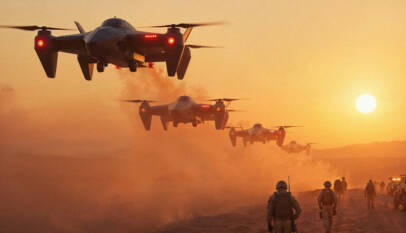
Recent wars have underscored the growing importance of drone swarms capable of conducting coordinated attacks against multiple targets simultaneously. Such tactics have exposed vulnerabilities in traditional air defence networks and reinforced the need for comprehensive counter-drone systems that combine radar, electronic warfare, directed-energy weapons and kinetic interceptors.
Beyond the battlefield, drones are playing an increasingly important role in border surveillance, maritime security, disaster response and intelligence-sharing among allied nations. Their expanding applications have made them valuable instruments of strategic deterrence as countries invest heavily in indigenous research, development and manufacturing capabilities to reduce dependence on foreign suppliers.
As advances in artificial intelligence, autonomous systems and secure communications continue, drones are expected to become even more integrated into future military operations. Their growing influence is redefining defence strategies worldwide, making them not only powerful combat assets but also symbols of technological innovation, strategic resilience and national security preparedness in an increasingly complex global security environment.
(The content of this article is sourced from a news agency and has not been edited by the Mavericknews30 team.)





IAF Upgrades Sulur Air Base Infrastructure to Strengthen TEJAS Fleet and Combat Readiness
New Delhi, July 2026 : The Indian Air Force (IAF) has floated a tender for the maintenance…
Drones Revolutionising Modern Warfare, Reshaping Global Defence Strategies
New Delhi, July 2026 : Drones have emerged as one of the most transformative …