Government Approves Trial of ₹10 and ₹20 Polymer Currency Notes, Paper Notes to Continue

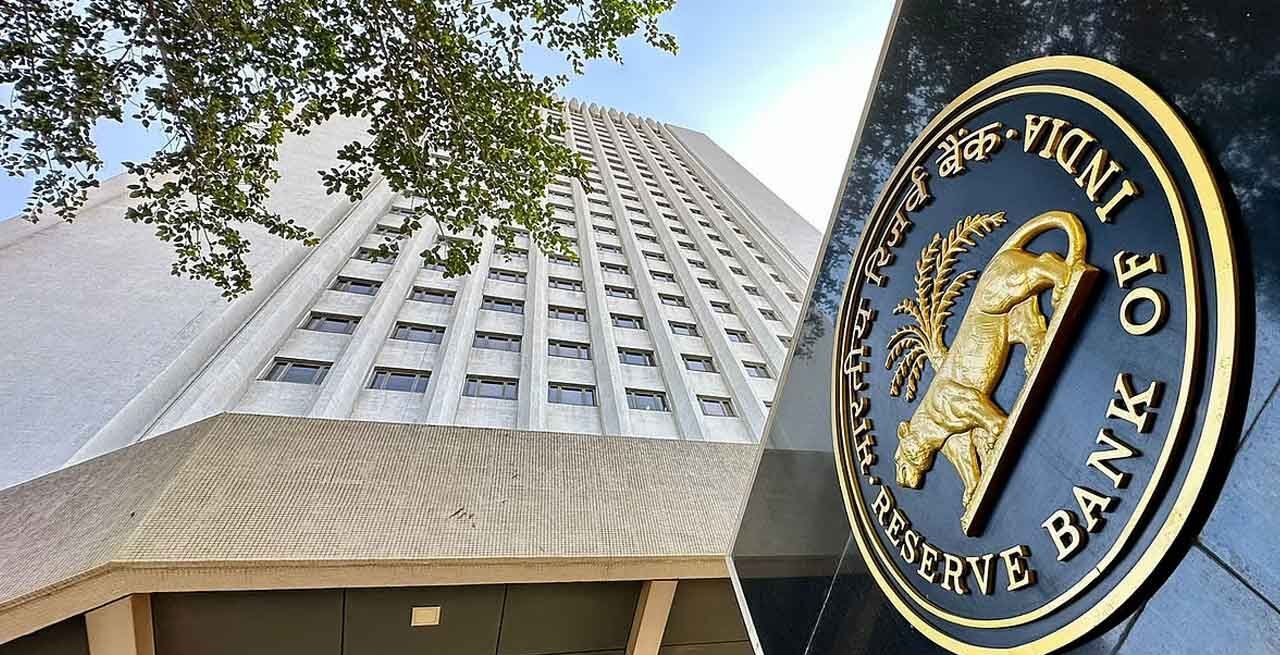
New Delhi, July 2026 : The Centre has approved the Reserve Bank of India’s proposal to conduct field trials of polymer currency notes in the ₹10 and ₹20 denominations, marking a significant step towards evaluating a more durable alternative to conventional paper banknotes. However, the government has clarified that there are no plans to replace existing paper currency, and both forms of banknotes will continue to coexist.
The announcement was made in Parliament on Monday by Minister of State for Finance Pankaj Chaudhary in a written reply in the Lok Sabha. He stated that the approval is limited to pilot field trials aimed at assessing the suitability and performance of polymer notes under Indian conditions before any decision on wider circulation is taken.
As part of the trial, the Reserve Bank of India plans to issue one billion polymer notes each in the ₹10 and ₹20 denominations. These notes will be introduced in select regions to study their durability, usability, and overall performance in India’s diverse climatic and circulation conditions.
The RBI has maintained that polymer banknotes offer several advantages over traditional paper notes. They are significantly more durable, have a longer lifespan, and are less susceptible to wear and tear, making them particularly suitable for lower-denomination currency that changes hands frequently. Since notes of smaller denominations deteriorate quickly, polymer notes could help reduce replacement costs and lower the frequency of printing new currency.
Another key advantage highlighted by the central bank is enhanced security. Polymer banknotes can incorporate sophisticated anti-counterfeiting features, including transparent see-through windows, advanced security threads, and other embedded authentication technologies that are difficult to replicate. These features are expected to strengthen the integrity of India’s currency system and reduce the circulation of counterfeit notes.
Despite these potential benefits, the government emphasized that polymer notes are being introduced only on an experimental basis. A broader rollout will depend entirely on the outcome of the field trials and a comprehensive assessment by the RBI.
The Finance Ministry also clarified that there is no proposal under consideration to phase out paper currency. Instead, polymer notes, if introduced permanently, would circulate alongside conventional paper banknotes, providing an additional option rather than replacing the existing system.
Responding to concerns about the possible impact on digital payments, the RBI said it is too early to draw any conclusions. The central bank noted that any meaningful assessment can only be made after the polymer notes enter regular circulation and their usage patterns are studied.
The RBI further reiterated that physical currency and digital payment systems are complementary rather than competing modes of payment. While India has witnessed rapid growth in digital transactions over the past few years, cash continues to play a vital role in the economy, particularly in rural and semi-urban areas.
The field trials will provide valuable insights into the operational efficiency, durability, and public acceptance of polymer currency before any future policy decisions on expanding its use across the country.





Chandrababu Naidu Reviews Preparations for PM Modi’s August 1 Inauguration of Bhogapuram International Airport
Amaravati, July 2026 : Andhra Pradesh Chief Minister N. Chandrababu Naidu on Monday conduc…

Chandrababu Naidu Reviews Preparations for PM Modi’s August 1 Inauguration of Bhogapuram International Airport
Amaravati, July 2026 : Andhra Pradesh Chief Minister N. Chandrababu Naidu on Monday conducted …