Holistic Development of Villages Key to Building a Developed Chhattisgarh: Chief Minister Vishnu Deo Sai

CM Gives Clear Development Roadmap at High-Level Review Meeting of District Panchayat CEOs
Directs Effective Implementation of Viksit Bharat Ji Ram Ji Yojana, Lakhpati Didi, PM Awas Yojana and PM Surya Ghar Scheme Across Every Village
“Good Governance Means Ensuring Every Eligible Citizen Receives the Benefits of Government Schemes”: Chief Minister Sai
Raipur, July 2026 : Chhattisgarh Chief Minister Vishnu Deo Sai said that the vision of a Developed Chhattisgarh can only be realised through the holistic development of villages, where Gram Panchayats become centres of social transformation, economic prosperity, and self-reliant rural economies rather than merely implementing government schemes.
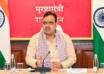
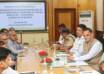
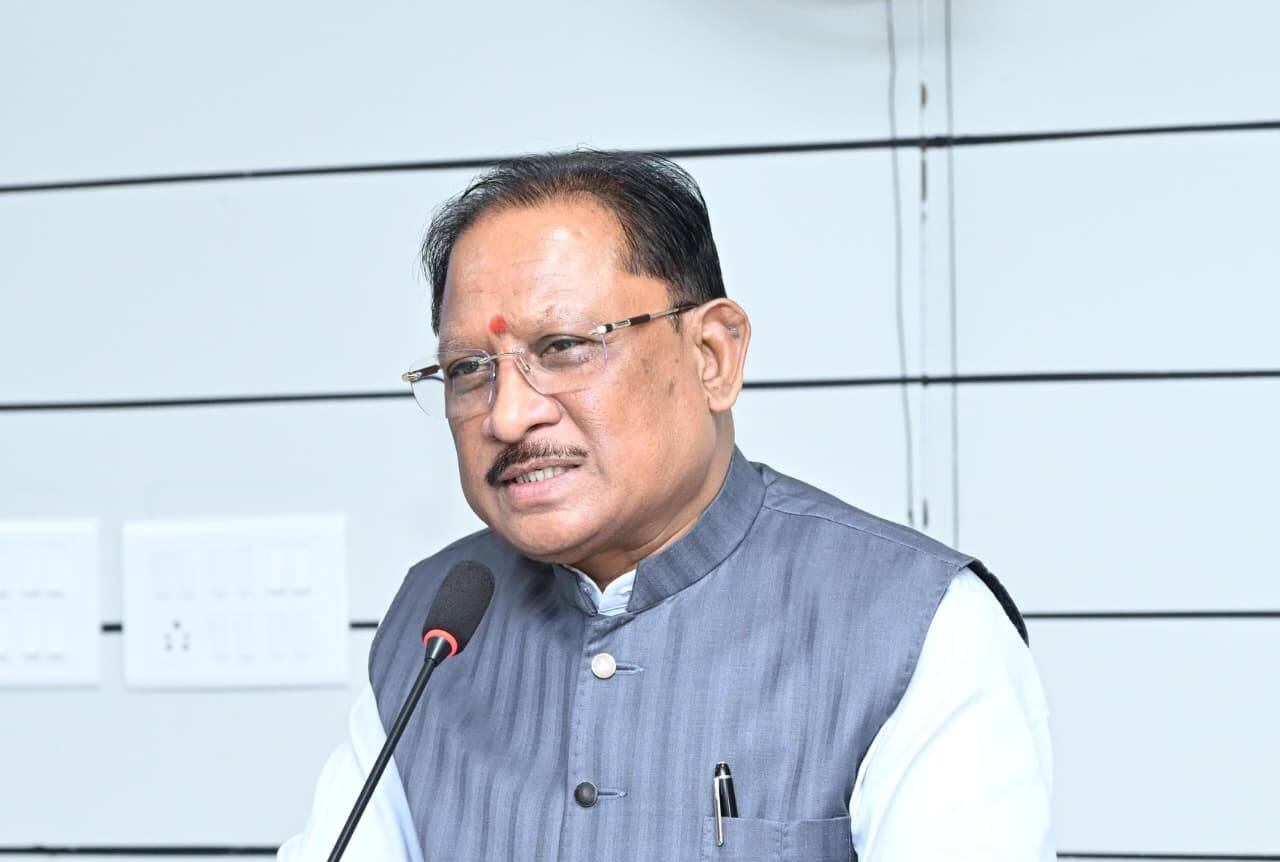
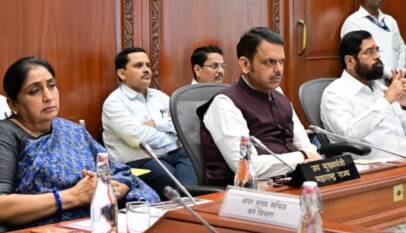
Addressing a high-level review meeting and workshop of Chief Executive Officers (CEOs) of District Panchayats from across the state at the State Institute of Rural Development (SIRD), Nimora, Nava Raipur, the Chief Minister outlined a comprehensive roadmap for accelerating rural development.
He said the true meaning of good governance is ensuring that the benefits of government welfare schemes reach the last person in society without discrimination. Gram Panchayats, he added, are the most effective platforms for promoting public participation and building self-reliant villages. He urged officials to work with sensitivity, honesty, and a spirit of service to earn the trust of rural communities.
The Chief Minister instructed officials to identify villages in every district that could be developed as model villages through community participation, efficient use of local resources, and effective implementation of government programmes. He said government schemes can only be considered successful when every rural citizen becomes an active participant in the development process.
Viksit Bharat Ji Ram Ji Yojana to Accelerate Rural Development
Highlighting the Viksit Bharat Ji Ram Ji Yojana, which came into effect on July 1, Sai described it as a transformative initiative to strengthen the rural economy. He directed officials to prioritise employment generation, creation of durable community assets, and quality infrastructure under the scheme.
The programme will also promote water conservation, agriculture, rural infrastructure, livelihood generation, and community asset creation. The Chief Minister made it clear that there would be no compromise on the quality of construction work.
Water Conservation and Natural Resource Management
Sai emphasised that rural development should extend beyond physical infrastructure and focus equally on water conservation, soil health, agricultural productivity, livestock development, fisheries, and scientific management of natural resources.
He instructed every district to prepare region-specific water conservation plans and prioritise rainwater harvesting and groundwater recharge to ensure sustainable development.
From Lakhpati Didi to Crorepati Didi
The Chief Minister noted that under Prime Minister Narendra Modi’s vision for women’s empowerment, over 10.40 lakh women in Chhattisgarh have already become Lakhpati Didis. The government now aims to transform many of them into Crorepati Didis by linking them with entrepreneurship, skill development, self-employment, and emerging opportunities under the state’s new industrial policy.
District Panchayat CEOs were directed to identify eligible women and connect them with Self-Help Groups (SHGs), livelihood programmes, and skill development initiatives.
Development Must Reach the Last Village in Bastar
The Chief Minister laid special emphasis on the Bastar division, directing officials to prioritise development in remote and inaccessible areas. He said villages that were once difficult to access are now witnessing rapid improvements in roads, electricity, housing, drinking water, education, healthcare, and food distribution.
“The government’s goal is to ensure that the light of development reaches the last person living in the remotest village,” he said.
Focus on Housing, Social Security and Solar Energy
Sai directed officials to expedite the implementation of the Pradhan Mantri Awas Yojana and ensure that all eligible beneficiaries receive housing assistance on time. He also stressed timely disbursement of social security pensions and the establishment of effective monitoring mechanisms at the Panchayat level.
The Chief Minister described the PM Surya Ghar Muft Bijli Yojana as a major step towards energy self-reliance and instructed officials to promote the scheme extensively in rural areas. He also called for special campaigns to encourage farmers and rural households to adopt solar pumps and other solar energy solutions.
Public Service Must Create Lasting Social Change
Sai said the objective of public service extends beyond fulfilling administrative responsibilities and should aim to create lasting positive social change. Inspired by Prime Minister Narendra Modi’s model of nation-building, he urged officials to treat every responsibility as an opportunity to transform society.
Hivre Bazar Model a Blueprint for Rural Transformation
Referring to the internationally acclaimed Hivre Bazar Model, the Chief Minister said the remarkable transformation led by Padma Shri Popatrao Pawar demonstrates how determination, honest leadership, public participation, and scientific resource management can completely transform a village.
Recalling his first meeting with Pawar in 1999, when he had just become a Member of Parliament, Sai said the story of Hivre Bazar had inspired young parliamentarians and has since become one of India’s finest models of rural development.
He also urged officials to draw inspiration from Nanaji Deshmukh’s rural development model at the Deendayal Research Institute, Chitrakoot, and the social transformation achieved through education by Dr. Achyuta Samanta in Odisha. He encouraged every district to develop its own customised rural development model based on local resources, needs, and geographical conditions to ensure sustainable and inclusive growth.
Hivre Bazar’s Success Story
Addressing the workshop, Padma Shri Popatrao Pawar shared the journey of Hivre Bazar, explaining how the village, once plagued by water scarcity, migration, unemployment, and social problems in 1989, was transformed through community participation, discipline, water conservation, and scientific management of natural resources.
Today, migration has virtually ended, there are no Below Poverty Line (BPL) families in the village, nearly 5,000 litres of milk are collected every day, and the per capita annual income has risen to around ₹9 lakh, making Hivre Bazar a nationally recognised model of sustainable rural development.
The meeting was attended by Deputy Chief Minister Vijay Sharma, Additional Chief Secretary Richa Sharma, Panchayat and Rural Development Secretary Bheem Singh, Director Priyanka Rishi Mahobia, retired IAS officer Amarjeet Sinha, CEOs of all District Panchayats, and senior officials from various departments.


US-Led Israel-Lebanon Peace Talks to Resume in Rome from August 4
Washington, July 2026 : The United States will host the next round of negotiations between…

US-Led Israel-Lebanon Peace Talks to Resume in Rome from August 4
Washington, July 2026 : The United States will host the next round of negotiations …