Tata Power Plans India’s First Private Nuclear Plant by 2032-33, Awaits Policy Clarity

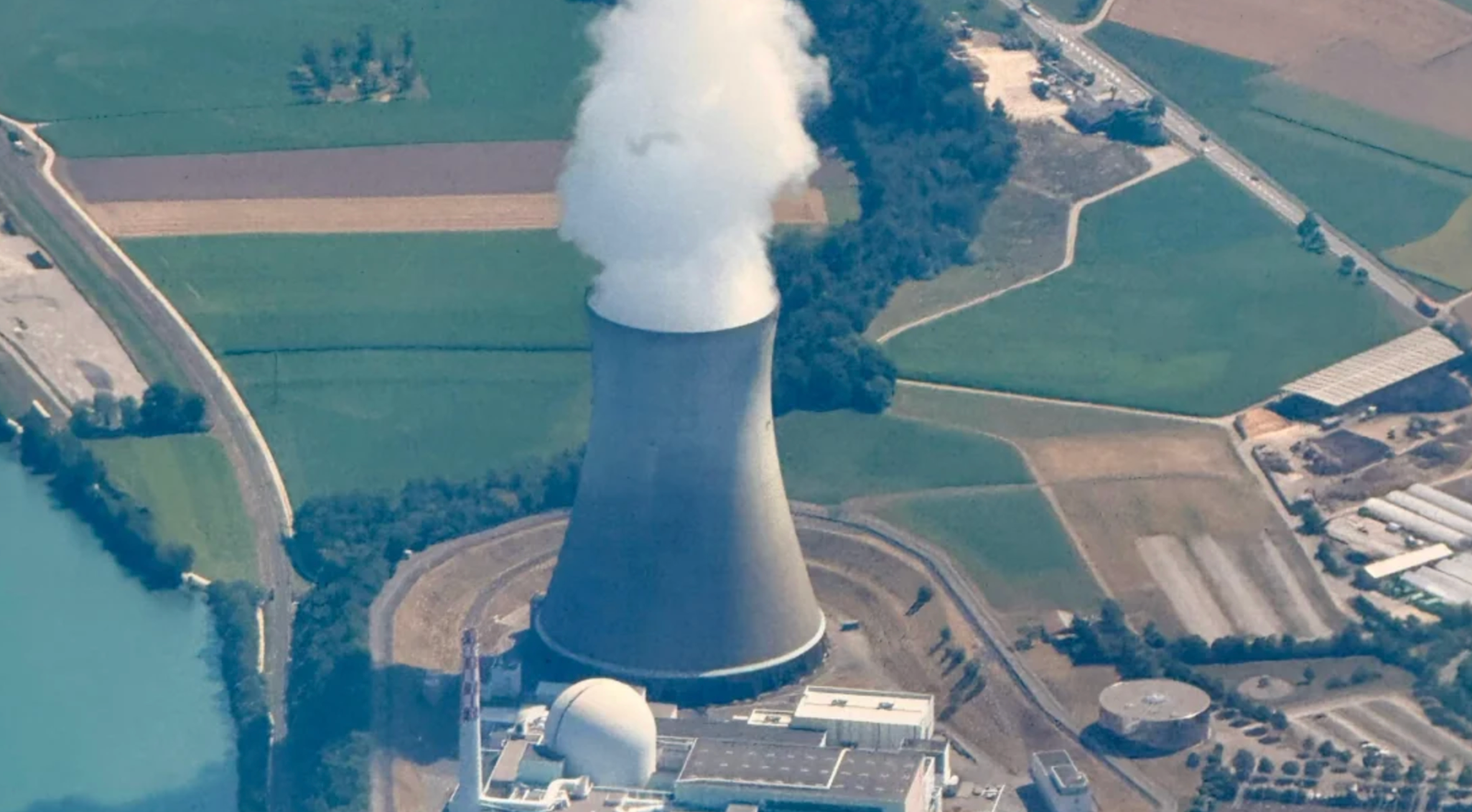
New Delhi, July 2026: Tata Power has announced plans to commission India’s first privately developed nuclear power plant by 2032-33, with construction expected to begin in 2028 after the government finalises the regulatory framework for private participation in the atomic energy sector, according to UNI news agency.
The company has shortlisted potential sites in Madhya Pradesh, Odisha and Gujarat and has already initiated preliminary assessments, including geotechnical surveys, to evaluate the suitability of these locations for nuclear power development.
Tata Power Chief Executive Officer Praveer Sinha said the company is preparing to commence construction activities in early 2028, with the target of completing the project within five years. However, he added that the company is awaiting clarity from the government on crucial aspects such as long-term uranium supply agreements and pricing mechanisms, which will play a decisive role in determining the financial viability of private nuclear projects.
The proposed timeline follows India’s historic decision to open the nuclear energy sector to private companies, ending a decades-old government monopoly over atomic power generation. The move is aimed at strengthening India’s energy security, accelerating clean energy adoption and supporting the country’s efforts to reduce carbon emissions.
The geotechnical surveys being conducted at the shortlisted sites will help assess critical factors such as soil stability, groundwater conditions and environmental suitability, which are essential before beginning construction of a nuclear facility.
India’s Parliament recently approved legislation allowing private sector participation in nuclear energy, paving the way for companies such as Tata Power to enter a sector previously dominated by state-run entities. The government has set an ambitious target of increasing India’s nuclear power capacity more than eleven-fold by 2047 — from the current 8.8 gigawatts to nearly 100 gigawatts.
At present, nuclear power contributes around 3 per cent of India’s total electricity generation, with all existing nuclear plants operated by the state-owned Nuclear Power Corporation of India Limited (NPCIL). Achieving the proposed expansion target will require massive investments estimated at around ₹19.3 trillion over the coming decades.
The approval process for Tata Power’s nuclear projects is expected to take approximately 12 to 14 months, involving regulatory clearances, environmental approvals and finalisation of the legal framework governing private participation.
Once approvals are obtained, construction is expected to begin in 2028, potentially making Tata Power the first private company in India to develop and operate a commercial nuclear power plant.
India’s nuclear expansion strategy comes at a time when several countries are increasing their focus on atomic energy to meet rising electricity demand. Nations such as China, South Korea and Bangladesh are investing in new reactors, while Japan is restarting some nuclear facilities that were shut after the Fukushima disaster in 2011.
Growing electricity requirements from emerging sectors such as artificial intelligence, data centres, manufacturing and industrial expansion have renewed global interest in nuclear power as a stable, low-carbon energy source.
India has also been strengthening international cooperation in the civil nuclear sector. During Prime Minister Narendra Modi’s recent visit, Australia agreed to expand uranium supply arrangements for India’s civilian nuclear programme. The partnership is expected to support India’s long-term fuel security and deepen energy cooperation between the two countries.
Tata Power’s nuclear plans are part of its broader strategy to diversify its energy portfolio, which already includes renewable and conventional power projects. The company is also exploring small modular reactors (SMRs) with a proposed capacity of 220 MW, for which feasibility studies are underway.
SMRs are gaining global attention due to their modular design, lower construction requirements, enhanced safety features and longer refuelling cycles. These characteristics could make them suitable for meeting India’s growing energy demand while maintaining safety and operational efficiency.
The commissioning of Tata Power’s first nuclear plant by 2032-33 would represent a landmark moment for India’s power sector. It would mark the entry of private enterprise into nuclear generation and underline the country’s commitment towards energy diversification, clean power expansion and long-term energy independence.
(The content of this article is sourced from a news agency and has not been edited by the Mavericknews30 team.)








Netanyahu Meets Trump at White House for Eighth Bilateral Talks Amid Regional Tensions
Jerusalem/Washington, July 2026 : Israeli Prime Minister Benjamin Netanyahu arrived at the…

Netanyahu Meets Trump at White House for Eighth Bilateral Talks Amid Regional Tensions
Jerusalem/Washington, July 2026 : Israeli Prime Minister Benjamin Netanyahu arrived at the White House …