Pralay Missile Emerges as Key Pillar of India’s Conventional Strike Capability

July 2026 : India’s missile programme has witnessed significant growth over the past several decades, developing a diverse range of systems including air defence weapons, cruise missiles and long-range ballistic platforms. While missiles such as Agni and BrahMos have remained at the centre of public attention, another indigenous weapon system is now emerging as a critical component of India’s conventional military capability — the Pralay missile.
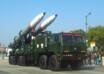
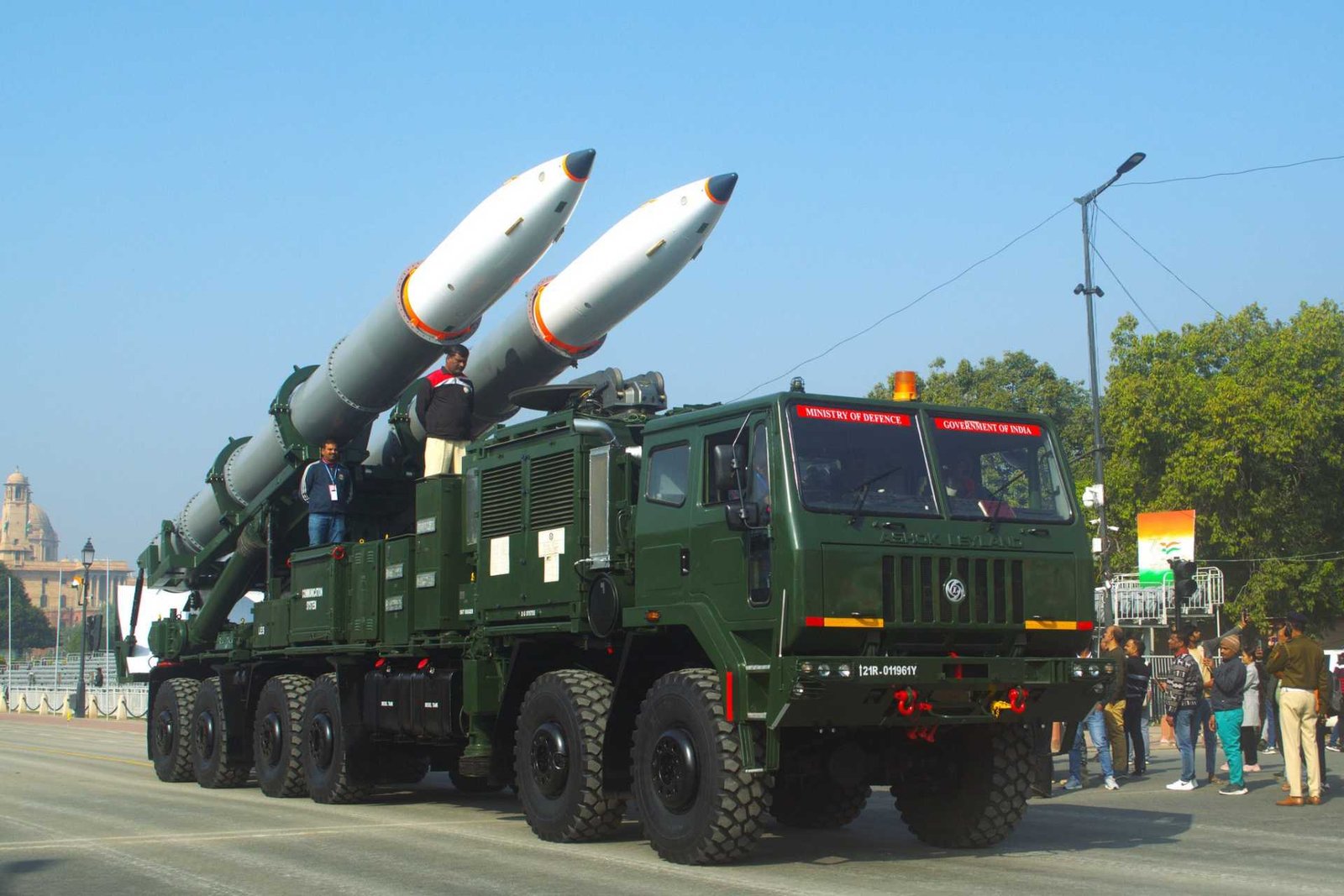
Developed by the Defence Research and Development Organisation (DRDO), Pralay is a short-range, solid-fuel, road-mobile ballistic missile designed for precision strikes against high-value enemy targets. The missile incorporates advanced technologies derived from India’s Ballistic Missile Defence programme, giving it enhanced reliability, accuracy and operational flexibility.
With an operational range estimated between 150 and 500 kilometres, Pralay is designed to rapidly engage targets deep inside hostile territory. Unlike the Agni missile series, which forms a key part of India’s strategic deterrence framework and nuclear delivery capability, Pralay has been developed exclusively for conventional warfare.
This distinction makes Pralay a tactical missile system that allows India to conduct precision strikes without crossing the nuclear threshold. Such a capability provides military planners with greater flexibility during conflicts by enabling targeted responses while maintaining control over escalation.
The missile is primarily designed to destroy critical military infrastructure, including enemy command centres, air defence installations, logistics networks and airbases. By enabling long-range precision attacks, Pralay reduces the need to deploy manned aircraft into heavily defended enemy airspace, thereby lowering operational risks for the armed forces.
One of the major strengths of Pralay is its solid-fuel propulsion system, which allows faster preparation and launch compared to liquid-fuel missile systems. Its road-mobile configuration further improves survivability by allowing the missile units to be relocated quickly, making them difficult for adversaries to detect and target.
The missile’s advanced terminal manoeuvring capability significantly enhances its effectiveness against modern air defence systems. During the final phase of flight, Pralay can perform complex manoeuvres, making interception extremely challenging for enemy missile defence networks.
Its high accuracy and precision strike capability allow the armed forces to engage strategically important targets while minimising collateral damage. This ability is becoming increasingly important in modern warfare, where speed, accuracy and survivability are key factors in battlefield success.
The development of Pralay reflects India’s evolving approach towards conventional missile warfare. Military planners identified the requirement for a system that could complement existing platforms such as BrahMos and other indigenous missile systems, creating a layered strike capability covering different ranges and operational requirements.
The induction of Pralay represents a major advancement in India’s conventional deterrence capabilities. It provides the armed forces with a powerful option for conducting deep precision strikes while maintaining strategic restraint.
In the changing regional security environment, where rapid response, accurate targeting and escalation management are increasingly important, Pralay is expected to play a significant role in strengthening India’s defence preparedness and ensuring greater operational flexibility for future contingencies.



Netanyahu Meets Trump at White House for Eighth Bilateral Talks Amid Regional Tensions
Jerusalem/Washington, July 2026 : Israeli Prime Minister Benjamin Netanyahu arrived at the…

Netanyahu Meets Trump at White House for Eighth Bilateral Talks Amid Regional Tensions
Jerusalem/Washington, July 2026 : Israeli Prime Minister Benjamin Netanyahu arrived at the White House …