India Must Develop Indigenous Weapons for Strategic Autonomy, Says Defence Secretary

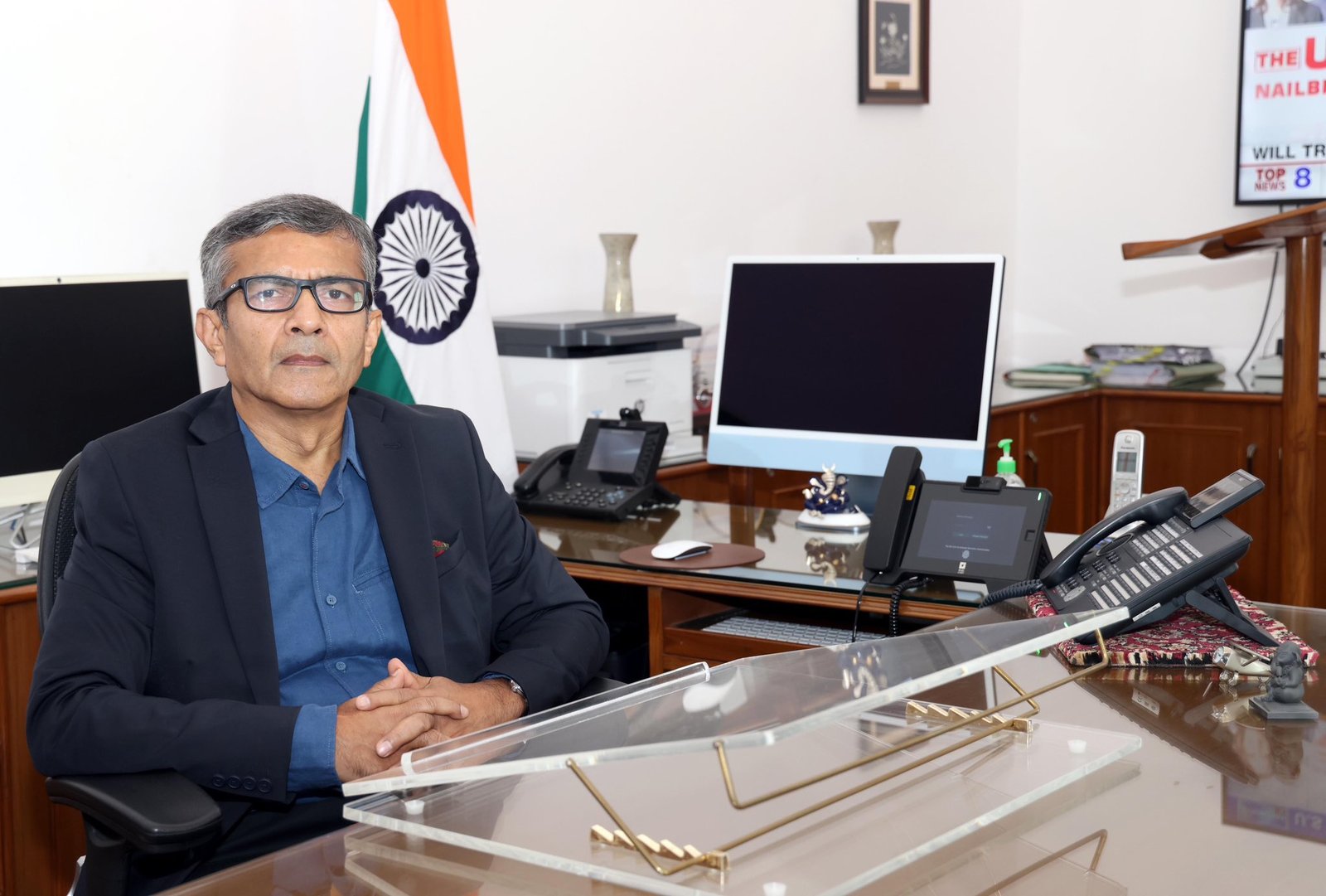
New Delhi, July 2026 : Defence Secretary Rajesh Kumar Singh has stressed that India’s long-term security and strategic independence depend on its ability to design, develop and manufacture its own weapons and defence systems. He said technological capability is the foundation of modern military strength and that achieving technological sovereignty is essential for building a self-reliant defence ecosystem.
In an exclusive interaction with MoneyControl Managing Editor Nalin Mehta, Singh highlighted that India’s future defence preparedness will be shaped by its capacity to create indigenous platforms rather than relying heavily on foreign suppliers.
The Defence Secretary said the government has undertaken a series of reforms to create a more favourable environment for private companies, start-ups and new players in the defence sector. These measures aim to provide greater confidence to industry by ensuring visibility of future demand and simplifying processes for defence manufacturing.
Explaining the challenges of the sector, Singh pointed out that defence remains largely a single-buyer market, with the government being the primary customer. Therefore, providing clarity on future procurement plans and maintaining transparency in demand projections are crucial to encouraging investment from private companies.
He said that a predictable order pipeline enables companies to make long-term investment decisions, expand production capacity and develop advanced technologies. Without such visibility, businesses may hesitate to commit resources to defence manufacturing due to uncertainties surrounding returns and market opportunities.
According to Singh, the structural transformation currently underway is aimed at ensuring that India increasingly designs, develops and produces its own weapons and military platforms. He emphasised that industrial strength and technological sovereignty are closely linked to national security.
The Defence Secretary noted that reforms introduced in recent years have already started changing the defence manufacturing landscape, with private companies and start-ups becoming increasingly involved in developing equipment, technologies and solutions for the armed forces.
He said the government’s responsibility is to create the right policy framework, while the industry must respond through innovation, research and efficient manufacturing capabilities. A stronger partnership between the government, established defence firms and emerging start-ups will be critical to achieving the vision of a self-reliant defence sector.
In recent years, India has introduced several initiatives to promote domestic defence production, including increased allocation for defence capital expenditure, greater focus on indigenous research and development, and policies encouraging local manufacturing.
These efforts are part of the broader Atmanirbhar Bharat initiative, which seeks to reduce dependence on imported military equipment and develop India as a major defence manufacturing hub. The government has also encouraged greater participation of Indian companies in defence contracts and promoted collaboration between industry, research institutions and the armed forces.
Singh reiterated that imports may provide immediate solutions to operational requirements but cannot guarantee long-term strategic autonomy. True independence in defence, he said, can only come when India controls the complete cycle of technology development — from design and innovation to production and upgrades.
He added that fostering a robust domestic defence industry will not only strengthen national security but also create economic opportunities, encourage innovation and position India as a global player in defence manufacturing.
Singh’s remarks underline the government’s continued push towards building an indigenous defence ecosystem capable of meeting the requirements of the armed forces while reducing vulnerabilities linked to external dependence.
(The content of this article is sourced from a news agency and has not been edited by the Mavericknews30 team.)







Netanyahu Meets Trump at White House for Eighth Bilateral Talks Amid Regional Tensions
Jerusalem/Washington, July 2026 : Israeli Prime Minister Benjamin Netanyahu arrived at the…

Netanyahu Meets Trump at White House for Eighth Bilateral Talks Amid Regional Tensions
Jerusalem/Washington, July 2026 : Israeli Prime Minister Benjamin Netanyahu arrived at the White House …