Saudi Arabia and Pakistan Seal Historic Defense Pact; India Reviews Security Implications

Riyadh/Islamabad/New Delhi, Sept 2025 : Saudi Arabia and Pakistan have signed a landmark defense agreement that cements decades of military cooperation and commits both nations to treat any aggression against one as an attack on both.
The agreement, formally titled the “Strategic Mutual Defense Agreement,” was signed in Riyadh on Wednesday during Pakistani Prime Minister Shehbaz Sharif’s state visit at the invitation of Crown Prince and Prime Minister Mohammed bin Salman. The pact represents the most formalized expression of a security partnership stretching back nearly eight decades and marks a significant upgrade in defense coordination.
During the signing ceremony at Al-Yamamah Palace, the two leaders also held extensive talks on bilateral ties, regional security, and evolving geopolitical challenges. Saudi Crown Prince and Defense Minister Khalid bin Salman hailed the agreement in a post on X, declaring, “KSA and Pakistan… one front against any aggressor… forever and ever.”
Sharif thanked the Saudi leadership for its hospitality and reaffirmed Pakistan’s commitment to deepening ties with Riyadh, while the Crown Prince assured continued Saudi support for Pakistan’s stability and prosperity. Analysts view the agreement as a turning point in Gulf-South Asia relations, placing defense cooperation at the core of the Saudi-Pakistan strategic alliance.
India Reacts with Caution
The signing of the pact immediately drew attention in New Delhi. On Thursday, India’s Ministry of External Affairs (MEA) issued a measured response, noting awareness of the long-discussed agreement while pledging to assess its impact on national and regional security.
“We have seen reports of the signing of a strategic mutual defense pact between Saudi Arabia and Pakistan. The Government was aware that this development, which formalises a long-standing arrangement between the two countries, had been under consideration,” the MEA statement said.
It added: “We will study the implications of this development for our national security as well as for regional and global stability. The Government remains committed to protecting India’s national interests and ensuring comprehensive national security in all domains.”
Backdrop of Rising Tensions
The pact comes against the backdrop of heightened Indo-Pak tensions. Just days earlier, 26 people were killed in Jammu and Kashmir’s Pahalgam region by heavily armed terrorists of The Resistance Front, an offshoot of Pakistan-based Lashkar-e-Taiba.
In retaliation, India launched “Operation Sindoor,” targeting nine high-value terror infrastructures in Pakistan and Pakistan-occupied Kashmir (PoK). Pakistan responded with counterstrikes, escalating tensions further. To consolidate international support, India rolled out “Operation Sindoor Outreach,” dispatching delegations to friendly nations to highlight Pakistan’s sponsorship of terrorism. A delegation led by BJP MP Baijayant Panda visited Saudi Arabia as part of this diplomatic campaign.
Regional Climate of Instability
The Saudi-Pakistan pact also coincides with broader instability in the region. Two days before the signing, Arab and Islamic nations convened an extraordinary joint session of the Arab League and Organisation of Islamic Cooperation (OIC) following Israel’s September 9 airstrike in Doha, which killed senior Hamas political leaders during ceasefire talks. The strike provoked condemnation across Arab capitals, adding to regional turbulence.
The defense agreement, while celebrated in Riyadh and Islamabad, is likely to reshape regional security equations and will be closely watched in New Delhi and beyond.
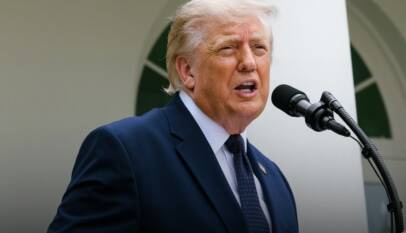







Netanyahu Meets Trump at White House for Eighth Bilateral Talks Amid Regional Tensions
Jerusalem/Washington, July 2026 : Israeli Prime Minister Benjamin Netanyahu arrived at the…

Netanyahu Meets Trump at White House for Eighth Bilateral Talks Amid Regional Tensions
Jerusalem/Washington, July 2026 : Israeli Prime Minister Benjamin Netanyahu arrived at the White House …