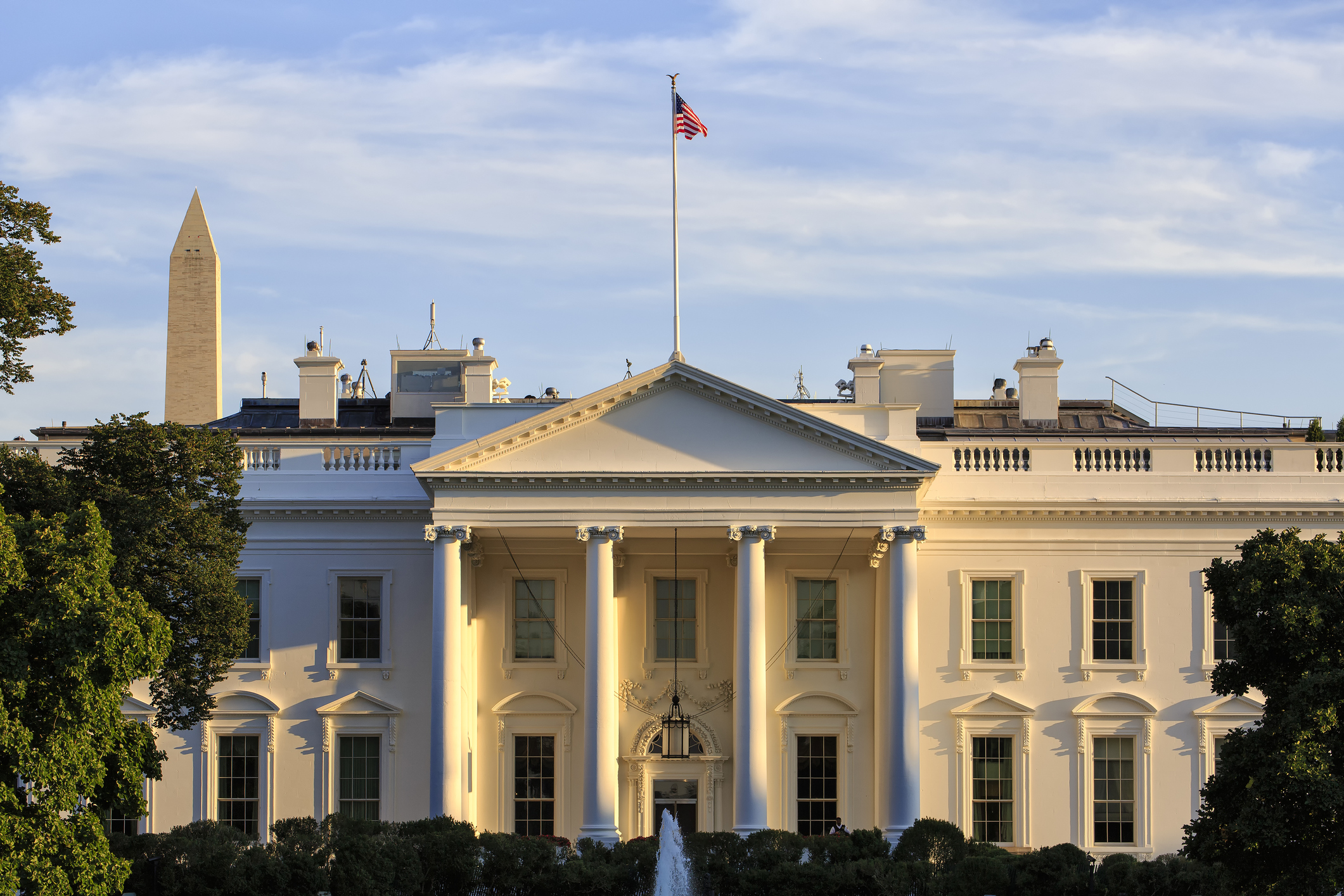
United States Judiciary System in an Impasse on the 36th Day of closure.

Oct 2025 : The creeping effects of the 21 days old government shutdown are threatening court delays and shuttering some courthouses, all of which could lead to unpredictable disruptions in a number of cases against Trump administration policies, among others.
The federal judiciary on Monday ran out of funding to maintain the normal operations and work of roughly 30,000 staffers, two support agencies, 13 regional appeals courts and 94 district courts. Some courts are furloughing staff for the first time in three decades, requiring others to work without pay, and even operating under a limited, four-day-a-week schedule.
Beginning this week, the District Court for the Middle District of Alabama is no longer open on Fridays. Nor is the clerk’s office for the federal district court in Connecticut, which is currently fielding one of several lawsuits challenging the administration’s moves to revoke visas from some foreign students.
The courts, like federal agencies, can require “essential” employees, such as judges’ staff, to work without pay. Judges themselves cannot be furloughed or be required to work without pay, but some say they are worried that funding shortfalls will hobble ongoing casework.
The “dedicated public servants, who allow those who seek redress prompt access to Court, are now feeling the pain of their pay checks being suspended and facing difficult financial decisions to keep their families afloat because of the shutdown”, VIRGINIA KENDALL, Chief Judge of the Northern District of Illinois, said in a statement on Friday. “I am concerned that the lack of appropriation will create delays in the Court’s ability to ensure timely justice”.
Kendall’s District and the Eastern District of Kentucky have paused civil cases involving the government, citing the effects of the shutdown within the executive branch, where attorneys are also either furloughed or working without pay. The Northern Illinois federal court is currently assessing a challenge to President DONALD TRUMP’s planned National Guard deployments.
The Supreme Court, meanwhile, said on 18th October that it would run out of funding, but anticipates minimal disruptions for the time being, at least when it comes to the court’s business. The itineraries of tourists and civics nerds face a worse fate: The Supreme Court building “will be closed to the public until further notice”, but the court’s official business will continue normally, said PATRICIA McCABE, the court’s public information officer.
Historically, the judiciary has managed to operate normally during shutdowns by dipping into money collected via court fees and relying on “carryover” funds from previous fiscal years. That’s how the judiciary generally maintained operations throughout the longest government shutdown recorded during the 35 days closure in the Trump’s first term.
But this time around, those funds only kept courts operating for about 20 days, after going several years without budget increases. And there’s still no clear path out of the impasse Democrats and Republicans have reached in budget negotiations.
Although a number of federal courts have affirmed that they will keep “essential” services running normally, that will become less feasible as the shutdown stretches on, and as courts continue to rely on skeleton crews working without pay.
Without a deal to reopen the government, we may soon see more of the same impacts on some courts that we saw during the 1996 and 2014 shutdowns: postponing deadlines en masse; rescheduling arguments because government attorneys were unable to attend; refusing to begin new civil jury trials; and operating on condensed criminal calendars.
Although, a shutdown may result from a funding gap, however there are distinct contrast to ‘funding gap’ and ‘shutdown’.
A funding gap may result in a shutdown of affected projects or activities in some instances but not others. For example, if a funding gap is of a short duration, or if a funding gap occurs over a weekend, agencies may not have enough time to complete a shutdown of affected projects and activities before funding resumes.
In general, a shutdown implies the furlough of certain personnel and curtailment of agency activities and services. There are multiple exceptions to this general process, however, as this report explains later. Programs that are funded by laws other than annual appropriations acts—such as entitlements like Social Security and other mandatory spending—also may be affected by a funding gap, if program execution relies on activities that receive annually appropriated funding.
Consequently, what counts as a shutdown may, to some extent, be difficult to document. In addition, the Office of Management and Budget (OMB) has previously indicated that a shutdown of agency operations during the first full calendar day of a funding gap may be postponed or avoided if it appears that a CR or regular appropriations bill is likely to be enacted later during that same day.
If funding resumes on the first day after previous funding expires, then funding was technically available that day, and no funding gap is said to occur. Nevertheless, if decision makers in the executive branch, for example, are uncertain that funding will resume at some point on that day, they may not have sufficient confidence that funding will resume and prevent a shutdown during that day.
In the case of an eventuality, an agency function might shut down for a day even if funding technically resumes sometime during that day (i.e., activities may be shut down in the absence of a funding gap).
Team Maverick







Bethell, Brook Power England to Thrilling Four-Wicket Win Over India, Take Series Lead
Manchester, July 2026 : England produced a remarkable comeback with the bat as Jacob Bethe…

Bethell, Brook Power England to Thrilling Four-Wicket Win Over India, Take Series Lead
Manchester, July 2026 : England produced a remarkable comeback with the bat as Jacob …