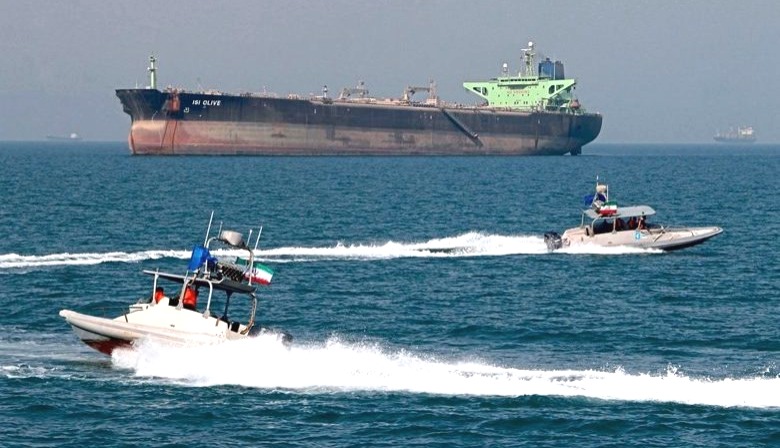
Iran Proposes Insurance Based Framework In Managing Strait Of Hormuz.

Tehran; May 2026: Iran has proposed managing the Strait of Hormuz through an insurance-based framework that would formalise its control over the critical oil shipping chokepoint, while simultaneously demanding that all vessels file mandatory cargo declarations with a newly created Iranian maritime authority before being permitted to transit.
State media reported today (Monday – 18th May 2026) that the Iranian Ministry of Economy has developed a model dubbed as Hormuz Safe, that would govern transit through the strait via the issuance of marine insurance policies and certificates of financial responsibility. The platform uses cryptographic verification and settles payments in Bitcoin. “Hormuz Safe provides Iranian shipping companies and cargo owners with fast, verifiable digital insurance to be paid via Bitcoin and settled at the speed of the blockchain”, the platform’s website states.
Coverage under the proposed scheme would initially encompass risks including inspection, detention and confiscation, but would exclude damage from weapon strikes. Iranian officials cited in the Fars News Agency report estimate the platform could eventually generate more than $10 billion in revenue for Iran.
The insurance proposal is running alongside a separate and more immediately alarming development for commercial operators. Iran’s Islamic Revolutionary Guard Corps (IRGC) Navy has announced that all vessels wishing to transit the strait must now file a formal Vessel Information Declaration with the newly created Persian Gulf Strait Authority. Ships that fail to comply risk being denied passage.
The declaration requires vessels to disclose their cargo type, origin, destination, operator identity and full route details before entry is granted. For tankers carrying crude from Saudi Arabia, the UAE, Kuwait or Iraq, that means providing commercially and strategically sensitive information directly to Iranian authorities as a condition of transit.
Under the UN Convention on the Law of the Sea, the Strait of Hormuz is an international strait through which all ships enjoy the right of transit passage. Iran is not a signatory to UNCLOS. A 112-nation UN resolution has explicitly rejected the PGSA framework as illegal under customary international maritime law, but no navy has yet physically challenged the new declaration requirement.
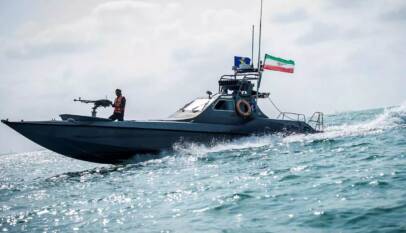
US Treasury Secretary Scott Bessent said over the weekend that China, the world’s largest oil importer and the main buyer of sanctioned Iranian crude, would work behind the scenes to help reopen the strait. On the water, the picture has grown steadily more complex. Maritime intelligence firm Windward has reported that IRGC-linked activity remains elevated across the strait, with fast craft, dhows, coastal vessels and patrol vessels in evidence.
“The result is an operating environment where Hormuz functions less like a conventional transit corridor and more like a managed maritime zone shaped by staging, surveillance, enforcement, and degraded visibility”, Windward noted in a recent update.
Team Maverick.






Rahul Gandhi, INDIA Bloc Hold Candlelight Vigil at Gandhi Smriti Over NEET Paper Leak Row
New Delhi, July 2026 : The Opposition intensified its campaign over the alleged NEET exami…

Rahul Gandhi, INDIA Bloc Hold Candlelight Vigil at Gandhi Smriti Over NEET Paper Leak Row
New Delhi, July 2026 : The Opposition intensified its campaign over the alleged NEET …