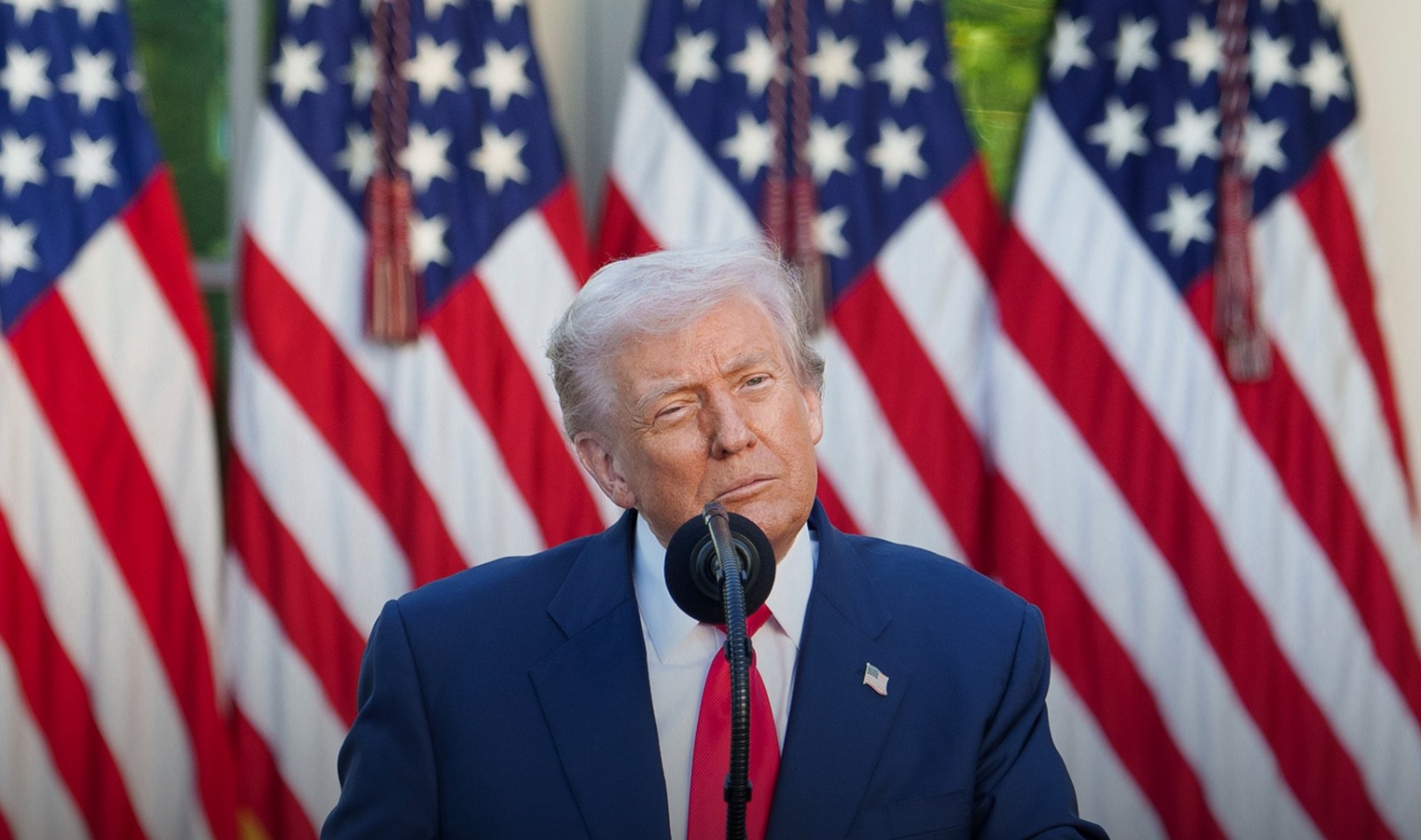
Trump Slaps Additional 50% Tariffs on Canadian Imports, Escalating US-Canada Trade Dispute

Washington, July 2026 : US President Donald Trump has announced a fresh round of trade measures against Canada, imposing an additional 50 per cent tariff on hundreds of Canadian products in a significant escalation of trade tensions between the two neighbouring countries. The White House said the move was aimed at countering what it described as Canada’s discriminatory trade practices against American exports, particularly in the automobile, alcoholic beverages and dairy sectors.
Invoking the powers granted under Section 338 of the Tariff Act of 1930, President Trump signed three separate proclamations authorising the new duties. According to the administration, the tariffs are intended to offset what it called “the burden and disadvantage on US commerce” caused by Canada’s trade policies and to create a more level playing field for American manufacturers and exporters.
The White House stated that the additional tariffs will come into force 30 days after the signing of the proclamations and will apply irrespective of whether the imported goods qualify for preferential treatment under the United States-Mexico-Canada Agreement (USMCA).
However, certain categories of imports have been exempted from the new measures. These include energy products, potash, goods already covered under Section 232 national security tariffs, fish, critical minerals and several other specified products.
Officials said the tariffs cover a broad spectrum of Canadian exports to the United States. The affected products range from wine, alcoholic beverages and processed food items to hockey sticks, cement, consumer goods and numerous manufactured products. The White House released extensive annexes listing hundreds of tariff classifications that will now attract the additional 50 per cent duty.
The administration argued that Canada has maintained trade policies that unfairly discriminate against American exporters while offering more favourable treatment to other international trading partners.
One of Washington’s major concerns relates to Canada’s automobile import policies. According to the White House, Canada has imposed tariffs and quota restrictions on US-manufactured vehicles that are not applied to imports from certain other countries. It also alleged that Canada’s quota allocation system encourages automobile manufacturers to establish production facilities within Canada instead of expanding manufacturing operations in the United States.
The administration cited official trade data showing that Canadian imports of American motor vehicles declined by approximately 22 per cent, representing a fall of about 5.6 billion US dollars, between April 2025 and March 2026 compared with the corresponding period a year earlier. During the same period, imports of vehicles from other countries reportedly increased, replacing American exports in the Canadian market.
The White House also accused Canada of restricting market access for American alcoholic beverages. According to the administration, all but two Canadian provinces and territories suspended the purchase, distribution or retail sale of US-produced alcoholic drinks while continuing to allow products from other countries to remain available.
As a result, imports of American alcoholic beverages into Canada reportedly fell by around 81 per cent, equivalent to approximately 582 million US dollars, during the March 2025 to February 2026 period compared with the previous year.
The dairy sector also remains a major point of contention between the two countries. The Trump administration argued that Canada’s tariff-rate quota system governing cheese imports under the USMCA is more restrictive than the quota regime applied to similar imports from the European Union under the Canada-European Union Comprehensive Economic and Trade Agreement (CETA).
According to the White House, this disparity places American dairy producers at a competitive disadvantage despite commitments made under the North American trade agreement.
Administration officials further claimed that while many countries had negotiated trade arrangements with Washington over the past year and a half, only China and Canada had chosen to retaliate against US tariff measures rather than pursue negotiated settlements.
The White House stated that the Trump administration has successfully concluded 18 trade agreements aimed at opening overseas markets for American products. It maintained that Canada had instead “chosen to discriminate against the United States rather than address Canadian trade barriers.”
The latest tariffs represent another major step in President Trump’s “America First” trade strategy, which has relied heavily on tariffs and reciprocal trade measures to reduce trade imbalances, encourage domestic manufacturing and pressure trading partners to renegotiate market access conditions.
The new measures are expected to intensify trade tensions between Washington and Ottawa and could prompt a response from the Canadian government, potentially affecting bilateral trade relations between two of North America’s largest economic partners.
(The content of this article is sourced from a news agency and has not been edited by the Mavericknews30 team.)








Preserve Maharashtra’s Saint Heritage, Develop Pilgrimage Centres: CM Devendra Fadnavis
Revised Development Plans for Gangakhed, Amravati and Katol Approved; ₹115 Crore Projects …

Preserve Maharashtra’s Saint Heritage, Develop Pilgrimage Centres: CM Devendra Fadnavis
Revised Development Plans for Gangakhed, Amravati and Katol Approved; ₹115 Crore Projects Get Green …