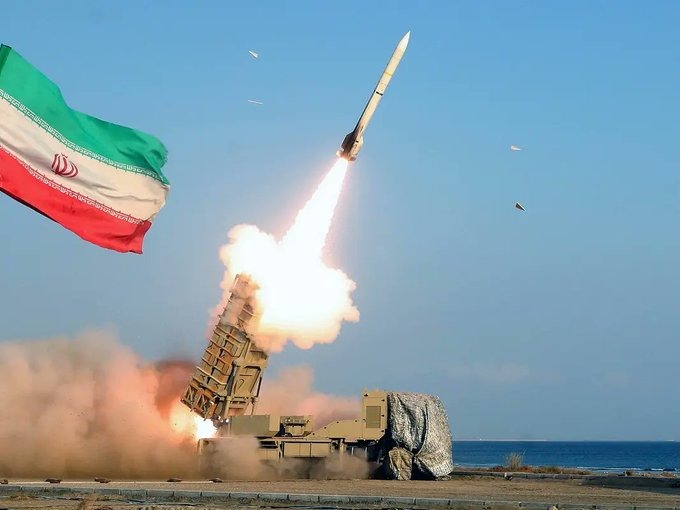
Iranian Strike Hits Kuwait Power Plant as Gulf Tensions Escalate

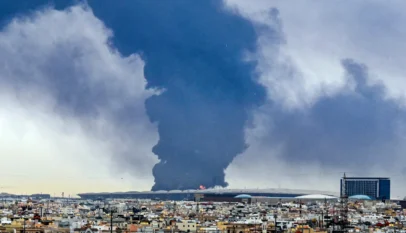
Kuwait City, July 2026 : Kuwait on Sunday accused Iran of launching another attack on its critical energy infrastructure, saying a power generation and water desalination plant was struck, triggering a fire and disrupting electricity production. The incident marked the third attack on a Kuwaiti power and water facility in as many days, underscoring the growing security challenges facing the Gulf region as tensions between Iran and the United States continue to intensify.
According to Kuwait’s Ministry of Electricity, Water and Renewable Energy, the latest strike caused a fire in parts of the power and desalination complex, damaging several electricity generation units and forcing authorities to activate emergency response protocols. Firefighters were immediately deployed to contain the blaze while technical teams began assessing the extent of the damage. The ministry said efforts were underway to restore normal operations as quickly as possible.
The repeated attacks have placed significant pressure on Kuwait’s power grid, prompting authorities to urge residents to reduce electricity consumption to help maintain the stability of the national network. The country has already been dealing with increased demand during the summer months, and damage to key infrastructure has heightened concerns about potential power shortages.
The latest strike follows another attack on Saturday that reportedly targeted an oil facility in Kuwait. Officials have not disclosed the full extent of the damage but described the series of incidents as an unprecedented assault on the country’s strategic energy assets.
Iran has claimed responsibility for strikes targeting American military facilities in Kuwait, saying the operations were conducted in response to recent US attacks on Iranian territory. According to Iranian state media, the country’s armed forces launched large-scale drone attacks against Camp Udairi, which stores US military ammunition, as well as the Patriot missile defence radar and air surveillance systems at Ali Al Salem Air Base.
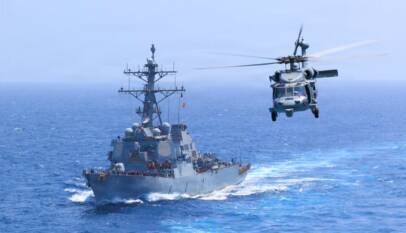
The attacks come amid escalating tensions between Tehran and Washington over security in the Strait of Hormuz, one of the world’s most strategically important shipping routes. The confrontation has spread across the Gulf despite previous efforts to reduce hostilities through diplomatic understandings and temporary ceasefire arrangements.
Earlier on Sunday, Kuwait and neighbouring Bahrain confirmed that their armed forces were responding to Iranian aerial attacks. Air raid sirens sounded across both countries as security forces monitored incoming threats. Residents in several areas were advised to remain indoors while emergency services remained on high alert.
In Bahrain, explosions were reportedly heard in the northern part of the country, including areas close to the capital, Manama. Bahraini authorities accused Iran of targeting civilian locations during the attacks, describing the strikes as a violation of regional security and international norms. Bahrain hosts the headquarters of the US Navy’s Fifth Fleet, making it one of Washington’s key military partners in the Gulf.
Both Kuwait and Bahrain have become increasingly exposed to regional tensions because they host significant US military installations. As the confrontation between Iran and the United States continues, these Gulf states have found themselves on the front line of retaliatory attacks linked to the broader conflict.
The United States Central Command (CENTCOM) confirmed that two American service members were killed on Friday while defending against Iranian ballistic missile and drone attacks. The command also stated that another service member remains missing, highlighting the growing human cost of the escalating military exchanges.
The latest attacks have raised fresh concerns about the vulnerability of critical infrastructure across the Gulf and the potential impact on regional energy security. With both sides continuing military operations and no immediate signs of de-escalation, security analysts warn that further strikes could threaten not only military installations but also civilian infrastructure essential to the region’s economy and daily life.
(The content of this article is sourced from a news agency and has not been edited by the Mavericknews30 team.)





Emotional Lionel Scaloni Hints at Uncertain Future After Argentina’s World Cup Final Defeat
New York, July 2026 : Argentina head coach Lionel Scaloni struggled to hold back tears as …

Emotional Lionel Scaloni Hints at Uncertain Future After Argentina’s World Cup Final Defeat
New York, July 2026 : Argentina head coach Lionel Scaloni struggled to hold back …