China Appears Reluctant to Supply J-35 Stealth Fighters to Pakistan Amid Strategic and Security Concerns

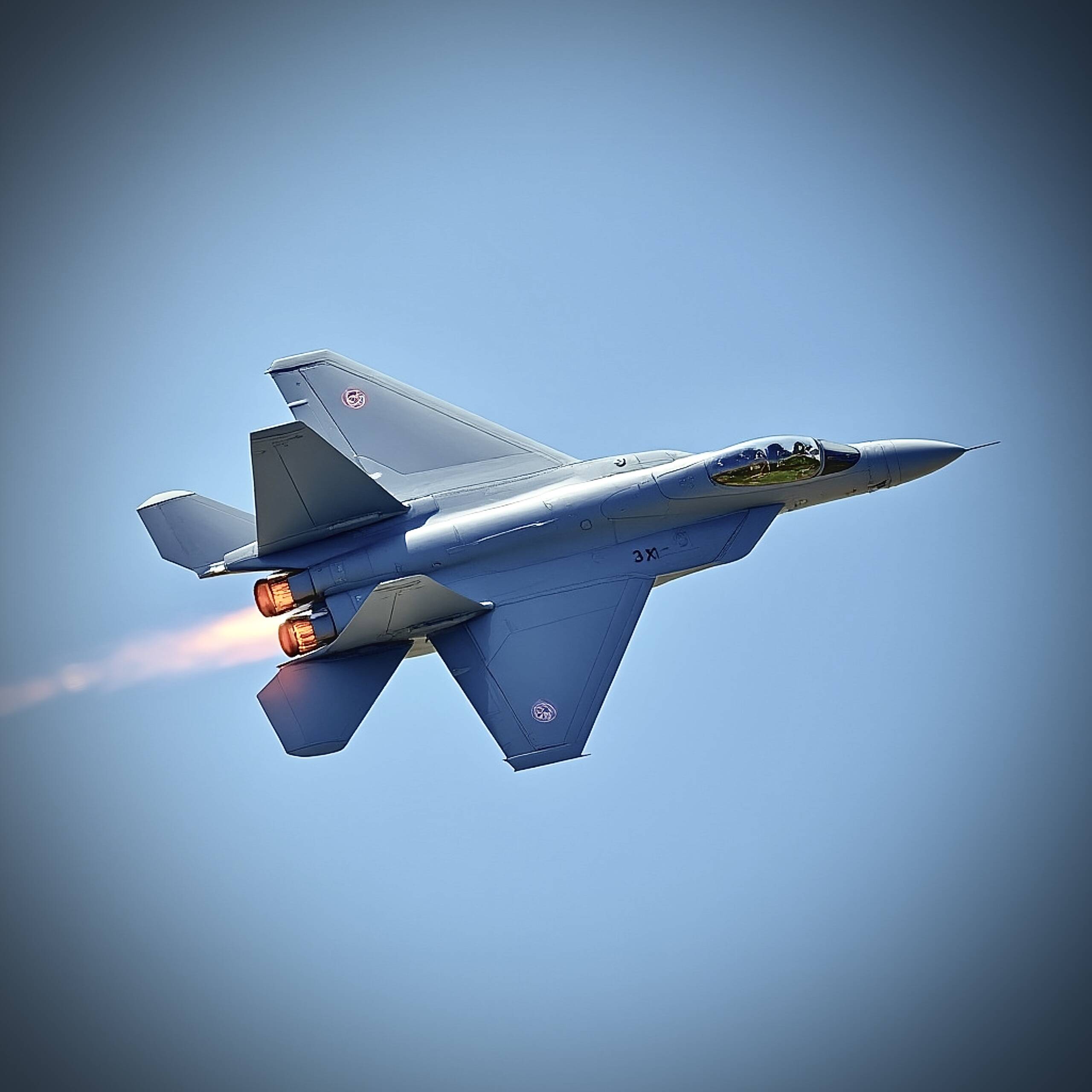
Beijing, July 2026 : Speculation over China’s possible sale of its advanced fifth-generation J-35 stealth fighter aircraft to Pakistan has resurfaced in recent months, but fresh strategic assessments suggest that such a high-profile defence deal may not materialise anytime soon. While discussions surrounding the transfer of the cutting-edge aircraft have attracted considerable attention, there has been no official confirmation from either Beijing or Islamabad regarding any agreement.
A recent analysis published in The Diplomat by Yang Xiaotong, an assistant researcher at an independent Beijing-based think tank, argues that the likelihood of China delivering J-35 stealth fighters to Pakistan in the near future remains relatively low. According to the assessment, several strategic, technological and geopolitical considerations are influencing Beijing’s cautious approach toward exporting one of its most sophisticated military platforms.
One of the primary reasons cited is China’s concern over maintaining the military balance in South Asia. At present, neither India nor Pakistan operates fifth-generation stealth fighter aircraft in frontline service. The induction of a significant number of J-35 aircraft into Pakistan’s Air Force could substantially alter the regional air power equation, potentially triggering fresh strategic competition between the two nuclear-armed neighbours.
Analysts believe that if Pakistan were to acquire around 40 J-35 fighters, it could significantly enhance its aerial combat capabilities. Such a development could prompt neighbouring countries to accelerate their own military modernisation programmes, increasing the likelihood of an arms race in the region. Given the history of military confrontations between India and Pakistan, any major shift in the regional balance of power would inevitably draw international attention.
China is believed to be mindful of the broader implications of transferring highly advanced weapon systems into a region that has witnessed multiple military crises over the decades. In periods of heightened tension, the presence of fifth-generation stealth aircraft equipped with sophisticated sensors and advanced strike capabilities could increase strategic uncertainty. Beijing may therefore prefer to avoid any perception that its defence exports could contribute to regional instability.
Another significant factor shaping China’s decision is its own evolving security environment. Beijing’s current strategic focus remains firmly fixed on the Western Pacific, where it continues to prepare for potential security challenges involving the United States and its regional allies. As tensions persist in areas such as the Taiwan Strait and the South China Sea, China’s military planners are prioritising domestic force modernisation and operational readiness over large-scale exports of advanced combat platforms.
The People’s Liberation Army (PLA) itself remains in the process of inducting new-generation aircraft into both its air force and naval aviation branches. The J-35 is expected to play an important role in China’s future military capabilities, particularly in carrier-based operations and advanced air combat missions. Diverting a substantial number of these aircraft for export could potentially affect the pace of China’s own military modernisation programme.
Technology protection also represents a critical concern. Unlike earlier defence exports such as the J-10CE fighter aircraft supplied to Pakistan, the J-35 incorporates significantly more advanced technologies. Its low-observable stealth design, integrated sensor suite, electronic warfare systems and next-generation avionics are among the most sensitive capabilities developed by China’s aerospace industry.
Military analysts note that countries possessing advanced stealth technology are generally cautious about exporting such platforms because of the risks associated with technology leakage. If sensitive components or software were somehow exposed through intelligence gathering, maintenance activities or conflict situations, valuable technological secrets could potentially become accessible to rival powers. Protecting these capabilities is considered essential for maintaining long-term military advantages.
China’s cautious export policy is consistent with how major defence powers typically manage their most advanced military technologies. Nations often place strict restrictions on the overseas transfer of next-generation weapon systems until domestic operational requirements have been fully met and adequate safeguards are in place to protect sensitive technologies.
For Pakistan, however, the acquisition of the J-35 remains an attractive objective as it continues efforts to modernise its air force. Islamabad has steadily expanded defence cooperation with Beijing over the past two decades, acquiring platforms ranging from fighter aircraft and naval vessels to air defence systems. The J-35 would represent a significant leap in capability and could strengthen Pakistan’s long-term air combat potential if eventually approved for export.
Experts emphasise, however, that strong political ties alone do not automatically guarantee access to a country’s most advanced military equipment. Defence exports involving fifth-generation aircraft involve complex evaluations encompassing strategic interests, technological security, production capacity, operational priorities and regional stability.
At present, the status of any potential J-35 agreement remains uncertain. Neither the Chinese government nor Pakistani authorities have announced a formal contract or delivery schedule. Most available information continues to be based on media reports, defence analyses and strategic speculation rather than official confirmation.
Defence observers believe Beijing is unlikely to rush such a consequential decision. Instead, China is expected to weigh its own military requirements, regional security calculations and long-term strategic interests before considering any export of its latest stealth fighter technology. Whether Pakistan ultimately becomes the first foreign operator of the J-35 or whether the proposed deal remains limited to speculation will become clearer only as China’s defence export policy evolves in the coming years.
(The content of this article is sourced from a news agency and has not been edited by the Mavericknews30 team.)




Emotional Lionel Scaloni Hints at Uncertain Future After Argentina’s World Cup Final Defeat
New York, July 2026 : Argentina head coach Lionel Scaloni struggled to hold back tears as …

Emotional Lionel Scaloni Hints at Uncertain Future After Argentina’s World Cup Final Defeat
New York, July 2026 : Argentina head coach Lionel Scaloni struggled to hold back …