Telangana Begins Comprehensive Inspection of Private Universities Following Supreme Court Directive

Hyderabad, July 2026 : The Telangana government has launched a comprehensive inspection of all private universities in the state following directions from the Supreme Court, with a high-level committee conducting detailed assessments of their functioning, governance, academic standards, admissions and compliance with legal norms.
The inspections are being carried out in accordance with the Supreme Court’s order in the Ayesha Jain vs. Union of India case, in which the apex court raised concerns over the rapid expansion of private universities across the country and sought a closer examination of their objectives, governance and academic standards. Acting on the Court’s directives, the Telangana government has constituted a multi-member committee to conduct thorough inspections and submit a detailed affidavit before the Supreme Court.
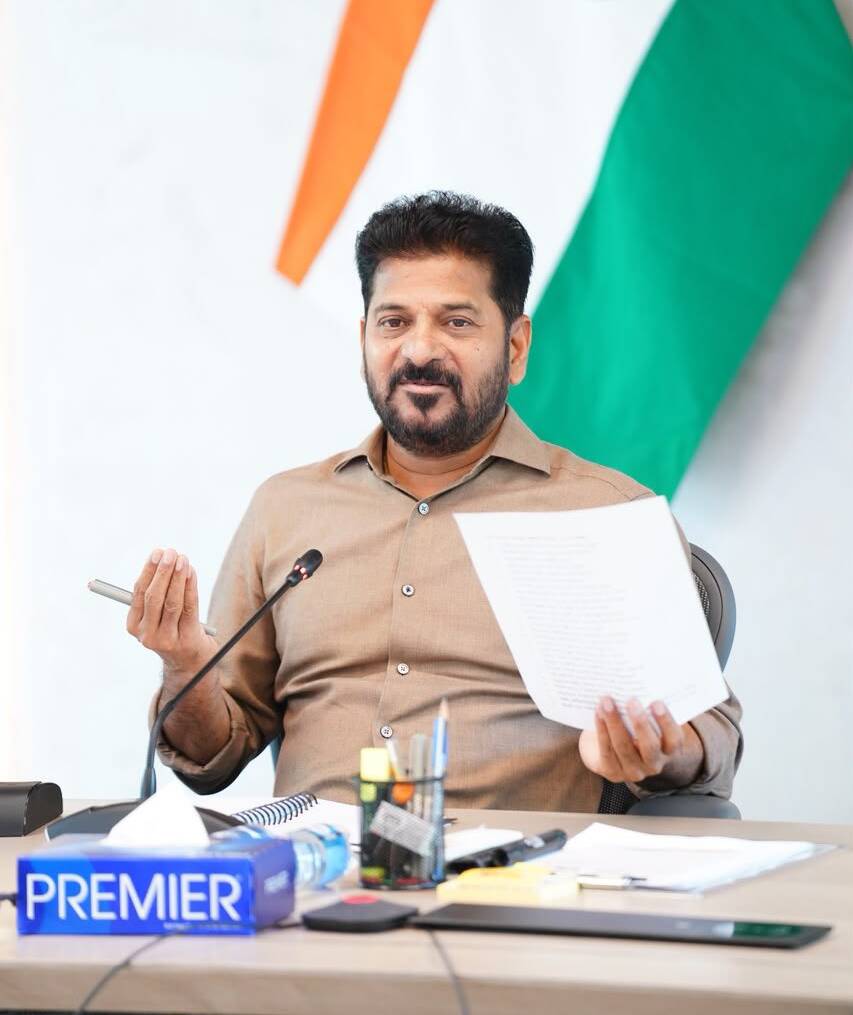
According to an official statement issued by the Chief Minister’s Office, the committee is headed by the Commissioner of Collegiate Education (CCE) and includes senior officials from the state’s higher education institutions. The panel comprises the Secretary of the Telangana Council of Higher Education (TGCHE) as Convener, the Registrar of Jawaharlal Nehru Technological University (JNTU) as Member-Convener, the Registrar of Palamuru University, the Chief Finance and Accounts Officer of Osmania University, and the Assistant Director (Academic-C) from the Department of Technical Education.
The government has also empowered the committee to engage subject experts whenever specialised academic or technical evaluation is required during the inspection process.
The committee has begun visiting every private university in Telangana to evaluate compliance with the nine parameters laid down by the Supreme Court. These inspections are intended to determine whether the institutions are fulfilling their educational objectives while adhering to legal, academic and administrative standards.
The Supreme Court, while hearing multiple complaints related to private universities, observed that concerns had emerged over the manner in which several institutions were functioning. The Court directed all state governments to investigate the intent behind establishing such universities, the quality of education being imparted, and the overall governance structure before submitting detailed reports.
One of the primary areas of scrutiny is the rationale behind the establishment of each university. The inspection team is examining why the institution was created, whether there was a genuine educational need, and if a proper feasibility study was conducted before granting approval. The committee is also assessing whether the establishment of each university aligned with the state’s higher education policy and long-term academic planning.
Another key focus is the allocation of government resources. The committee will determine whether any government land or other benefits were provided to the universities and examine the terms and conditions attached to such allotments. Officials will verify whether these institutions have complied with the obligations associated with any concessions or incentives received from the state.
The inspection also extends to the management and governance of private universities. The committee is collecting details about the trusts, societies or organisations that established these institutions and identifying the individuals who exercise actual control over their administration. Universities are required to disclose the composition of their governing bodies, the process through which management committee members were selected, and the roles they perform in institutional decision-making.
Academic quality remains another major area of assessment. The Supreme Court has specifically sought information regarding the qualifications and credentials of faculty members teaching in private universities. Accordingly, the inspection committee is verifying whether teaching staff meet the prescribed educational and professional standards and whether institutions have appointed adequately qualified faculty across disciplines.
Student admissions are also under close examination. The committee is reviewing admission procedures to determine whether universities follow transparent and merit-based processes. Officials are verifying whether entrance examinations, eligibility criteria and admission regulations comply with existing laws and whether the state government had examined and approved these procedures before implementation.
In addition to these core areas, the committee is evaluating infrastructure, financial management, academic governance, regulatory compliance and other operational aspects that affect the quality of higher education. Where necessary, additional information beyond the nine parameters prescribed by the Supreme Court is also being collected to ensure a comprehensive assessment.
Based on its findings, the committee will prepare a detailed report, which will form the basis of an affidavit to be submitted by the Telangana government before the Supreme Court. The report is expected to present a complete picture of the functioning of private universities in the state and identify areas requiring corrective action.
The state government has indicated that any further measures concerning private universities will be taken strictly in accordance with the Supreme Court’s directions after the affidavit is filed. Officials said the inspection exercise reflects the government’s commitment to maintaining transparency, accountability and high academic standards in the higher education sector while safeguarding the interests of students and ensuring compliance with statutory regulations.
I prefer this response


Emotional Lionel Scaloni Hints at Uncertain Future After Argentina’s World Cup Final Defeat
New York, July 2026 : Argentina head coach Lionel Scaloni struggled to hold back tears as …

Emotional Lionel Scaloni Hints at Uncertain Future After Argentina’s World Cup Final Defeat
New York, July 2026 : Argentina head coach Lionel Scaloni struggled to hold back …