Trump Warns Iran of Military Action as West Asia Tensions Escalate Amid Nuclear Standoff

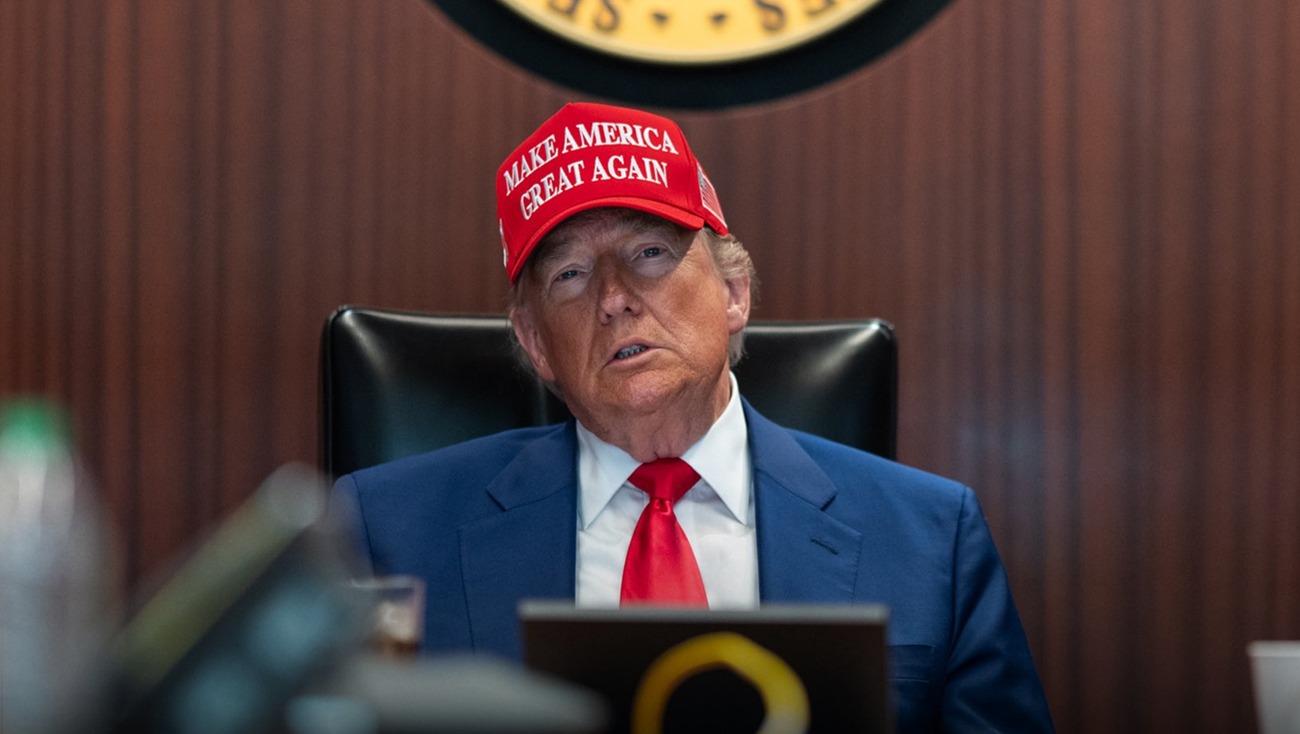
Washington, May 2026 : US President Donald Trump has issued a fresh and sharply worded warning to Iran following high-level security meetings in Washington, signalling that the United States could be considering further military options as tensions intensify across West Asia.
Taking to social media on Sunday after discussions with senior national security officials, Trump warned Tehran of severe consequences if it failed to respond quickly.
“For Iran, the clock is ticking, and they better get moving, FAST, or there won’t be anything left of them. TIME IS OF THE ESSENCE!” he wrote, escalating rhetoric that has already added volatility to an already fragile regional situation.
According to a report by CNN, the US President met senior members of his national security team over the weekend to deliberate on what was described as “the path forward on the Iran war”. The report added that Trump was expected to hold another high-level meeting early this week.
Separately, Fox News Digital reported that the President is likely to convene a Situation Room meeting on Tuesday with top advisers to evaluate “potential military options against Iran”, reflecting growing urgency within the White House over the unfolding crisis.
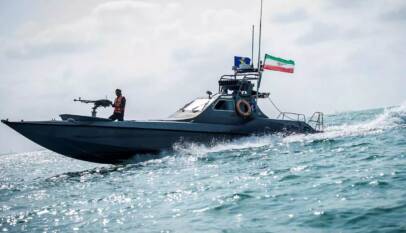
The developments come amid increasing frustration in Washington over stalled diplomatic engagement with Tehran and continuing instability linked to key global energy routes, particularly the Strait of Hormuz, through which a significant portion of the world’s oil supply passes.
CNN further reported that Trump had become “increasingly impatient” with Iran’s approach to negotiations and remained concerned about disruptions to global oil markets caused by restricted maritime movement in the Gulf region.
Despite the escalating rhetoric from Washington, Iran has maintained that it remains open to negotiations. According to Fox News Digital, citing Iranian state media, Tehran has recently submitted a new “14-point plan” through Pakistani mediators as part of indirect diplomatic exchanges with the United States.
The proposal, as reported by Tasnim News Agency, reportedly focuses on ending hostilities and includes confidence-building measures expected from Washington. However, it does not indicate any compromise on Iran’s nuclear programme, which remains the central issue in the dispute.
The report added that the nuclear question continues to be the core sticking point between the two sides, with the United States insisting on limits to Iran’s enrichment activities and broader security assurances.
Meanwhile, Iranian President Masoud Pezeshkian acknowledged that the country had suffered damage from recent US actions but firmly rejected the idea of surrendering under pressure.
“It is not the case that we have not suffered harm,” Pezeshkian said during a televised government meeting, according to Fox News Digital.
However, he stressed that Iran would not be influenced by what he described as misleading narratives or psychological pressure campaigns.
“Misleading information, false messaging, or portraying a reality in which ‘they are collapsing while we are prospering’ is unacceptable,” he said.
Reaffirming Iran’s stance, Pezeshkian added that the country would not compromise its dignity or sovereignty.
“We will not sacrifice our country’s dignity and honour for comfort or convenience. We have valid reasons and clear justification, and we are fully capable of defending our nation’s rights with strength, backed by our people,” he stated.
The broader regional situation has also shown signs of deterioration. Reports indicate that Israel carried out dozens of strikes in Lebanon over the past 24 hours, according to the Israeli Defence Forces, while the United Arab Emirates condemned what it called a “terrorist attack” on the Barakah nuclear power plant.
Tensions have also begun to strain regional diplomatic frameworks such as the Abraham Accords, the US-backed normalisation initiative aimed at improving ties between Israel and several Arab states.
The growing instability in West Asia is being closely monitored globally, including in India, due to its strategic and economic implications. India depends heavily on energy imports routed through the Strait of Hormuz, making any disruption in the region a serious concern for energy security and inflation management.
India also maintains a delicate balance in its foreign policy, engaging closely with the United States, Iran, Israel and Gulf nations, all of whom are directly or indirectly affected by the current escalation.
With diplomatic channels still active but tensions rising, the coming days are expected to be critical in determining whether the situation moves toward de-escalation or further confrontation.
Team Maverick.



China Open: Lakshya, Sindhu and Ayush Shetty Advance to Second Round After Gritty Wins
Changzhou (China), July 2026 : India’s top badminton stars Lakshya Sen, P.V. Sindhu …

China Open: Lakshya, Sindhu and Ayush Shetty Advance to Second Round After Gritty Wins
Changzhou (China), July 2026 : India’s top badminton stars Lakshya Sen, P.V. Sindhu and …