Malegaon Yatra: A Living Laboratory of Rural Culture

Marathwada is the land of saints and warriors, and within this land lies Malegaon in Nanded district. This village in Loha taluka hosts a grand yatra (fair), which begins on the new moon of Margashirsha. The Malegaon Yatra is especially famous in South India.
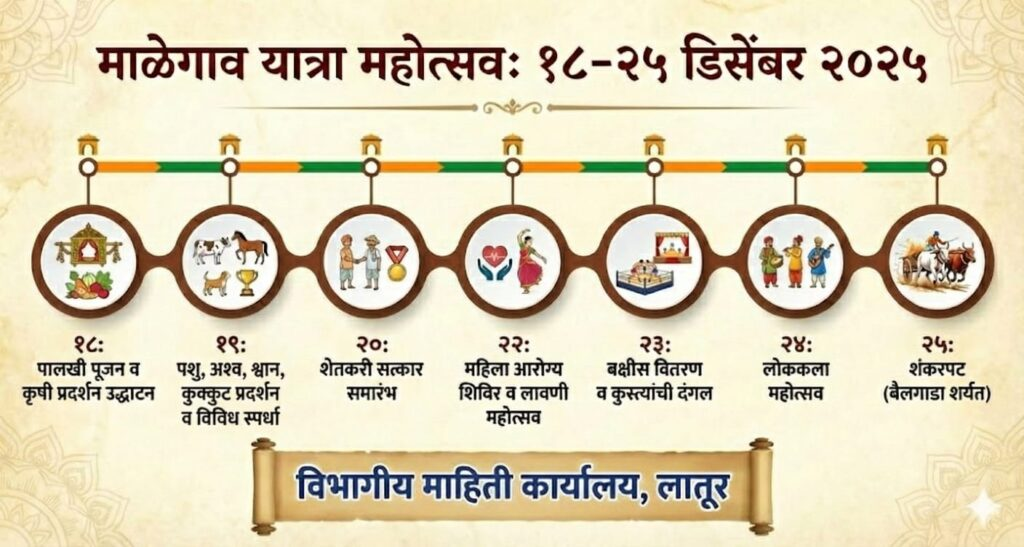
Malegaon is not just a religious site; it is also a major commercial center that boosts the rural economy. This year, the yatra will be held from December 18 to 25. The following article sheds light on this celebrated event.
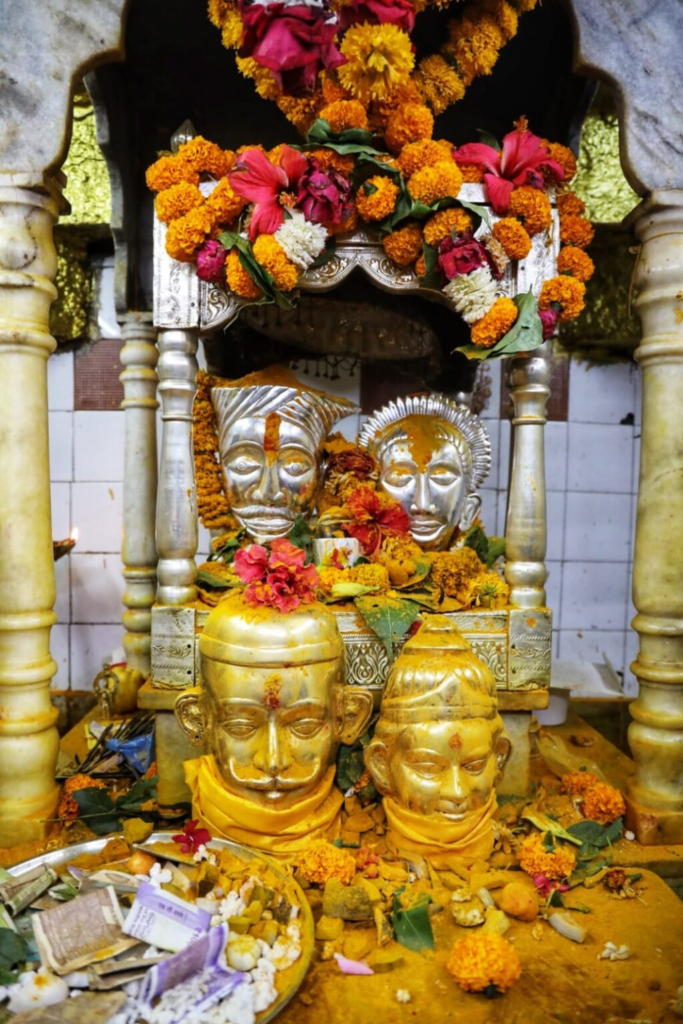
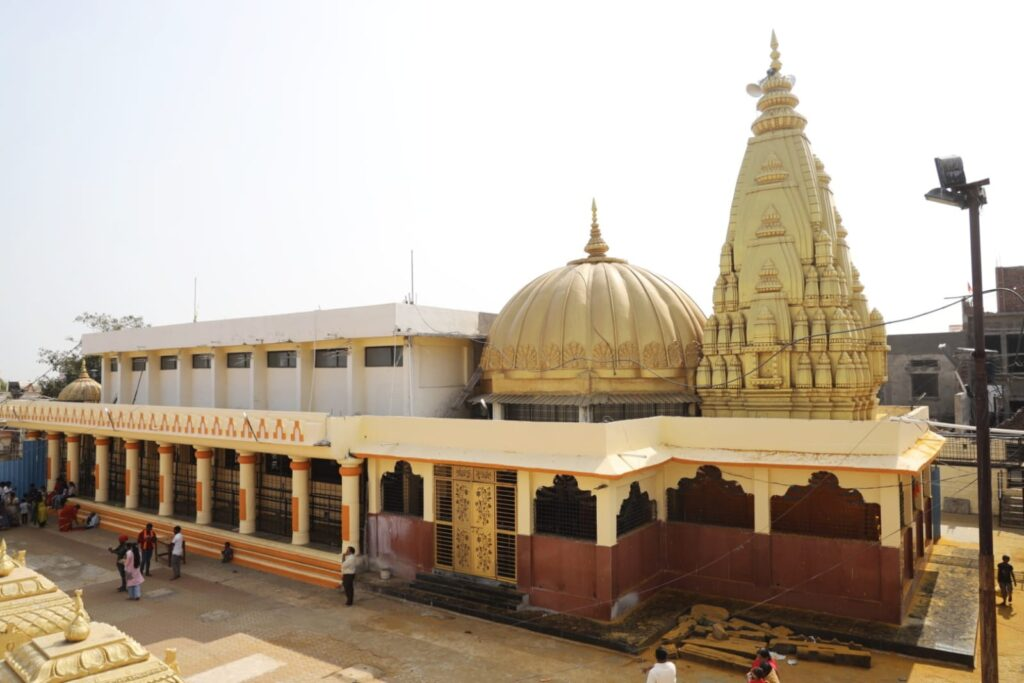
The Malegaon Yatra has a history of nearly four centuries, holding special significance since the Mughal and Nizam periods. Historically, Malegaon has been renowned for horse trading, a tradition that continues today, attracting traders from Telangana, Karnataka, and Maharashtra. The village is also home to a beautiful temple dedicated to Khandoba, the family deity of Maharashtra.
The yatra is a hub for folk arts. Performances of Kalgi-Tura, Waghya-Murli, Gondhal, and Bharud take place, with Tamasha and Lavani being the main attractions. Renowned Tamasha troupes perform here, and the event also features traditional acts like ‘Maut ka Kuan.’
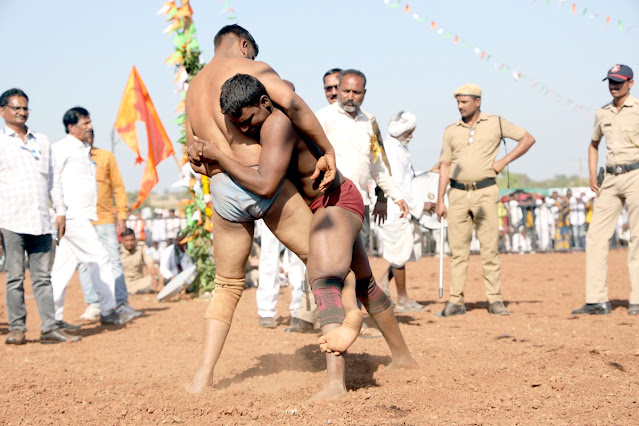
Unlike other yatras that focus mainly on religious darshan, Malegaon Yatra is unique. Visitors can witness agricultural exhibitions and wrestling matches. The livestock exhibition is the heart of the yatra, with thousands of animals bought and sold. After the Pushkar fair in Rajasthan, this is the second largest horse trading market. People of all religions participate, symbolizing social harmony.
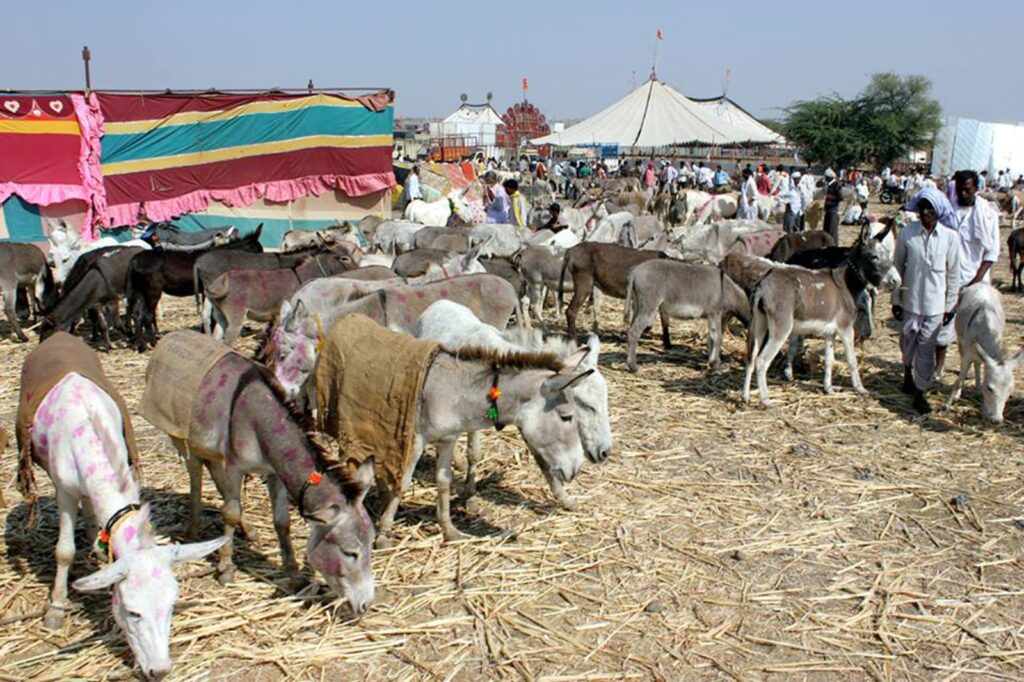
The yatra is a backbone of the rural economy. Within five to seven days, transactions worth crores take place. High-quality horses like Chetak, Marwari, and Punjabi breeds are traded at astonishing prices. Donkeys also have a large marketplace, attracting brick kiln owners and traders from other states. Camels, bulls, cows, and goats are also sold, alongside agricultural tools and food products.
During difficult times, the yatra supports farmers by providing income from livestock sales, which is then invested back into agriculture. Farmers also gain information about new seeds and technologies, while local laborers find employment. Traditionally, agricultural goods were exchanged through bartering; today, transactions occur in cash or via online payments (UPI). Devotees who once arrived by bullock carts now come in four-wheel vehicles.
The Malegaon Yatra is more than a festival; it is a living laboratory of rural culture. Despite modernization, the yatra has retained its identity. Providing work to thousands of hands, it is truly a grand and vibrant celebration of rural life.
—Dr. Shyam Tarke
US Says Naval Blockade on Iran Remains in Force, Multiple Commercial Vessels Intercepted
Washington, July 2026: The United States has reaffirmed that its naval blockade against Ir…

US Says Naval Blockade on Iran Remains in Force, Multiple Commercial Vessels Intercepted
Washington, July 2026: The United States has reaffirmed that its naval blockade against Iran …