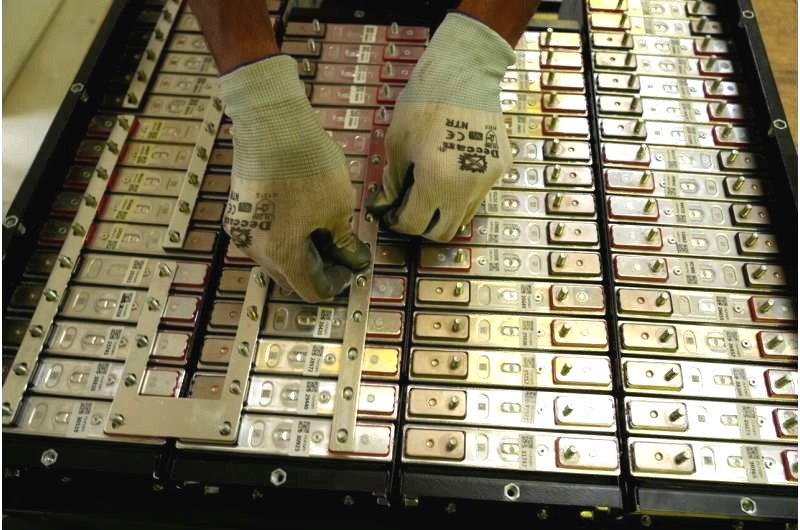
How Battery Recycling In India Promises New Jobs; Cleaner Energy, And Mineral Security.

December 2025: Across India, battery recycling faces a mixture of challenges and opportunity as it plays an important role in the country’s shift to clean power.
A fledgling system has taken off in the past decade for recovering materials from the batteries used in electric vehicles, smartphones and other consumer electronics. The valuable minerals these companies recover, such as lithium, cobalt and nickel are then reused in India’s growing fleet of electric vehicles and solar power installations. Recycling and repurposing batteries is a key to reducing dependence on imports for hard-to-obtain metals.
“More than 40% of the country’s copper and aluminum needs are met by recycling scrap and we want to aspire for the same when it comes to lithium, cobalt and nickel“, said Rajat Verma, founder and CEO of Lohum Cleantech, a 07 years old battery manufacturing and recycling company based in Noida near India’s capital New Delhi.
A formalised system can potentially create 100,000 green jobs and meet nearly 40% of the country’s demand for key minerals, according to a November study by the renewable energy think tank RMI. The report found that an industry around recycling and reusing batteries could be worth $9 billion as India’s battery demand skyrockets, mostly due to EVs.
“What’s exciting about these materials is it’s not like plastics. You can recycle them for perpetuity and they can still have material strength and the quality you need once you refine them“, said Marie McNamara, a manager with RMI’s India program who was one of the authors of the report.
But the system faces challenges. India currently has 60,000 tons of battery recycling capacity, but not all of it is used because supply chains are still being developed to supply the recovered materials to factories. One reason for this is that most of India’s waste recycling is done by informal workers those estimated to be as many as 04 million, who deal with a variety of scrap materials beyond batteries and work without any formal contracts.
India is among the highest emitters of planet-heating gases as the world’s most populous nation provides power for billions of people. At the same time, its clean energy sector has grown rapidly, led by adoption of solar power and electric vehicles. India’s government passed battery waste management rules in 2022 that mandate environmentally safe disposal and management of battery waste. But given the largely informal nature of scrap recycling in India, experts and recycling companies said the rule has been poorly implemented so far. Recycling in an environmentally friendly way is another challenge.
The rules mandate producers meet specific collection and recycling targets for various battery types. The rules include heavy fines for violators. However, there are no specific outlets for discarded batteries and each company has to set up their own systems for recycling. Experts said a lack of a well-structured recycling industry makes it difficult for companies to implement the rule.
Jaideep Saraswat, an energy expert with New Delhi-based Vasudha Foundation, said India has moved “surprisingly fast from a policy perspective“, but the right battery recycling supply chain is still missing.
A typical electric car battery is about 1.5 metres (5 feet) long, weighs up to 400 kilograms (882 pounds) and is usually designed to last for at least 160,000 kilometres (99,400 miles) which is usually reached after 8 to 12 years of use. Up to 90% of an EV battery’s contents can be extracted after use if recycled properly.
Recycling processes vary, but two common means are “shredding” battery modules into fine powder using machines or smelting them in industrial furnaces. The products of these processes are often then processed using acids or other chemicals to recover specific metals. Alternatively, discarded batteries can be repurposed to store excess solar and wind energy for homes and small shops. Repurposing involves testing the battery for defects and cleaning its components before it is sold for reuse.
Toxic contaminants are at times dumped illegally by recyclers, which can cause environmental pollution, and if not executed properly, recycling lithium batteries can emit carbon monoxide and other hazardous gases. The recycling process also usually produces wastewater containing heavy metals that can contaminate soil and water if improperly disposed. These have not expanded much in India due to the dearth of appreciations for clean operations, whether it’s lead or lithium.
RMI’s Marie McNamara has urged the Indian authorities to set up training programs in helping scrap workers transition to more formal jobs. She said the government at the federal and state level should also provide support to the businesses who can hire these workers. “Formalisation will really help drive safety and accountability, especially considering that batteries are both defined by their toxicity as well as their potential“, she said.
Globally, critical minerals such as lithium, nickel and cobalt are essential for products ranging from smartphones to electric cars. However, China controls much of the critical mineral supply chain through mining, refining and processing, according to the International Energy Agency. In a sharp contrast, India doesn’t yet have any operational mines for lithium and some other key minerals, and like most of the world is dependent on its Asian neighbor. Energy experts said that effectively recovering minerals from used products can meet an important need.
It is noteworthy that India should strive in commencing initiatives, as China takes recycling seriously because it’s an important part of the supply chain, even though it’s often unprofitable by itself. Any quantum of money is spent (attributed as wastage) on recycling, whereas recycling is a critical part and they’re looking at making money across the whole value chain.
Others in the battery sector are optimistic; “If the momentum that is there in India today continues, in my opinion, we can probably create five multibillion dollar giants in this industry” said Verma of Lohum Cleantech.
Team Maverick.



Shivakumar Says Congress United, Assures Women Will Get Cabinet Berth
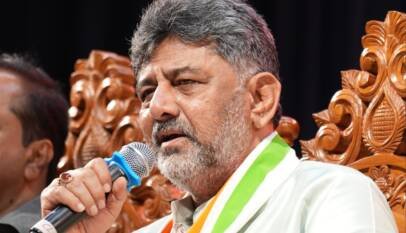
Bengaluru, Aug 2026 : Karnataka Chief Minister D.K. Shivakumar on Monday sought to dismiss…
Shivakumar Says Congress United, Assures Women Will Get Cabinet Berth
Bengaluru, Aug 2026 : Karnataka Chief Minister D.K. Shivakumar on Monday sought to dismiss …