China Bans Exports Of Military Related Goods To Japan As Dispute Intensifies.

Beijing; January 2026 : Effective immediately China has banned the export of products known as “dual-use” goods with both commercial and military applications to end users linked to the Japanese military amid a protracted diplomatic row between Beijing and Tokyo.
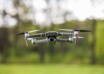
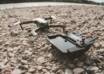
The export of these items to those entities for military purposes, or for any other purpose that would “contribute to enhancing Japan’s military capabilities”, is prohibited, China’s Ministry of Commerce announced today 06th January 2026. While dual-use items are often primarily designed with civilian functionality in mind, they can significantly contribute to the development or production of weapons and military systems. Common examples include drones and rare earth elements, essential raw materials for numerous goods in the tech and defence sectors, as well as high-performance semiconductors.
Mao Ning, a spokeswoman for China’s foreign ministry, said at a press conference today that along with “peace-loving countries and peoples around the world”, Beijing will “never allow Japan’s right-wing forces to turn back the wheel of history” or “allow militarism to make a comeback”.
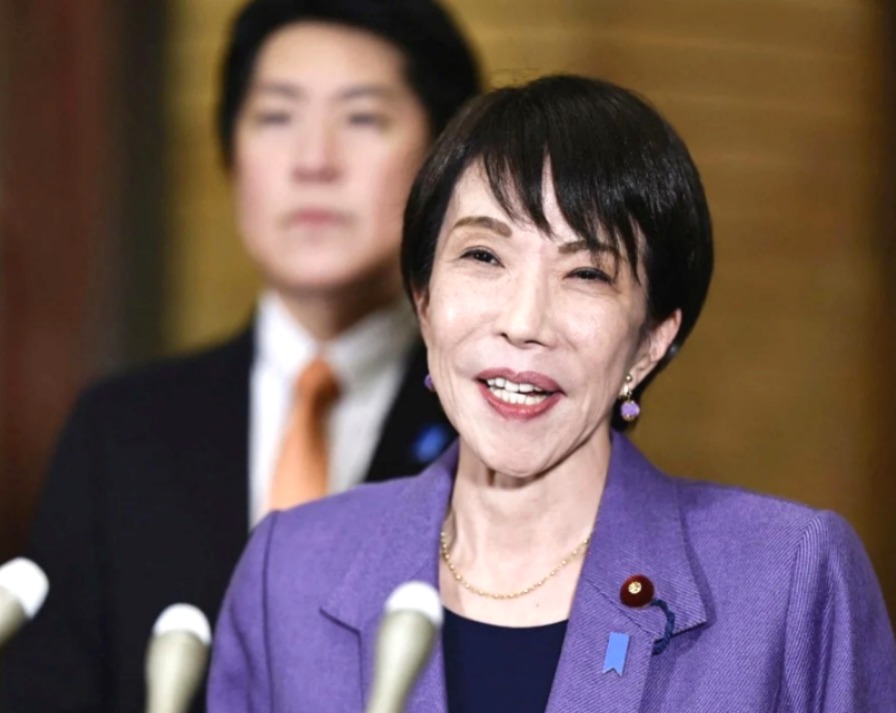
Japanese Prime Minister Sanae Takaichi has angered Beijing on November 07th 2025, by suggesting that a hypothetical attack on Taiwan could constitute an “existential threat” warranting a military response under the limitations of Tokyo’s pacifist constitution. Since then, neither countries has backed down. Amid several heated exchanges among their diplomatic corps, China has cautioned its citizens against trips to Japan, and numerous events promoting cultural and business exchange have also been cancelled.
Prevented from retrenching itself as a major military power by its post-war constitution, Japan under Takaichi’s Liberal Democratic Party, which has been in government nearly continuously since 1955, has in recent years stepped up its efforts to gain “normal country” status within global security frameworks and reaffirmed its commitment to investing in its treaty alliance with the US. Particularly under Sanae Takaichi, who took office last October, Japan is redoubling its efforts to become a global arms powerhouse, with the Prime Minister stating her intention to ease restrictions on defence exports and accelerate investment in the nation’s military sector.
During a press conference on Monday, Takaichi said that her administration plans to modify the country’s three national security documents, the National Security Strategy, National Defence Strategy and Defence Buildup Programme, within the year to cope with what she termed the “further military build-up” of China and North Korea in the Indo-Pacific region, and both countries’ “strengthened coordination” with Russia.
In late November, Japan’s cabinet approved a supplementary budget proposal that included 1.1 trillion yen (US$7.1 billion) in additional defence spending, which would bring total expenditures to 11 trillion yen, which is more than 02% of the country’s gross domestic product (GDP).
Mao of China’s foreign ministry said today that this reflects Japan’s accelerating “re-militarisation”, a trend which she said would “undermine regional peace and stability” and should be met with a “high degree of vigilance” by the international community.
Last year, Japan expanded its dual-use export restrictions to most countries, including China, requiring companies to evaluate the risks of shipping six categories of goods abroad: machine tools, radar, integrated circuits, drones and related parts, navigation equipment and testing equipment.
As of April 2025, Chinese makers represented 91% of the drones in the Japanese market, according to a report published in December by the Japanese Ministry of Economy, Trade and Industry. In the report, Tokyo’s ministry vowed to promote supply chain cooperation in the sector with “allied and like-minded countries”.
Today’s announcement from Beijing came after major Japanese business groups said they would be postponing their annual trip to China, originally scheduled for later this month. Since 1975, such visits have taken place every year, with rare exceptions during the Covid-19 pandemic and a 2012 dispute over the Diaoyu Islands, which Japan calls the Senkaku Islands.
Meanwhile, Beijing has stepped up its efforts to build a united front against Tokyo within the region, rolling out the red carpet for South Korean President Lee Jae Myung during a state visit this week. Lee was accompanied by several of his country’s foremost business leaders, including the chairmen of Samsung and SK Group.
Liu Jiang Yong, a Japan specialist and professor of international affairs at Tsinghua University in Beijing, said Takaichi’s remarks on Taiwan, along with Tokyo’s more hawkish stance in recent years, have dealt the “most serious” blow to ties since relations were normalised in 1972.
“This shock will not only deepen political and structural problems between the two sides but inevitably spill over into other areas”, Liu said. “Overall, the outlook for China-Japan relations in 2026 is bleak”.
Team Maverick.







Israel Rejects Gaza Disarmament Plan, Says IDF Will Stay Until Hamas Fully Disarmed
Jerusalem, July 2026 : Israel has reiterated its strong opposition to the US-backed plan f…

Israel Rejects Gaza Disarmament Plan, Says IDF Will Stay Until Hamas Fully Disarmed
Jerusalem, July 2026 : Israel has reiterated its strong opposition to the US-backed plan …