Did the Centre Change Rules to Snatch the Sports Trophy from Punjab’s Guru Nanak Dev University?

Chandigarh, January 2026: Serious questions have been raised over the country’s most prestigious university sports recognitions—the Maulana Abul Kalam Azad (MAKA) Trophy and the Khelo India University Games (KIUG). Allegations suggest that recent rule changes have compromised fairness in sports and pushed government universities, including those from Punjab, to the margins, while giving undue advantage to a private university allegedly linked to a BJP leader. Similar last-minute rule changes were reportedly made last year as well, benefiting the same university. Before the changes, this private university had won only three medals. In the previous session, its medal tally jumped from three to 32, and in the current session, it further increased to 42 medals. This has sparked a major controversy in Punjab.
For nearly 65 years, the MAKA Trophy has been awarded based on year-long sports performance, giving importance to international tournaments, AIU championships, and consistent performance across disciplines. However, in the 2023–24 season, rules were suddenly changed after the sports session had concluded. Earlier, the weightage of KIUG was limited to 10–15 percent, but it was retrospectively increased to nearly 100 percent. As a result, year-long performance, international competitions, and AIU events became almost irrelevant. This change directly benefited the university that had won the highest number of gold medals in KIUG.
The controversy deepened further in 2024–25 when sports like canoeing and kayaking were abruptly included in the Khelo India Games. These decisions were taken in the middle or after the sports session, when most universities had already finalized their plans and budgets. Internationally, these sports have around 10 recognized Olympic events, but in KIUG, the number was increased to nearly 30 events, including several non-Olympic categories. These are sports that are neither commonly played in Punjab’s universities nor in most public universities across the country. They are expensive, require specialized infrastructure, and significant funding—resources generally available only to elite or foreign-backed institutions.
It is alleged that these rule manipulations were deliberately carried out to benefit a particular university reportedly linked to a BJP-affiliated leader. An unusually high number of events were conducted in these sports, multiplying medal-winning opportunities. This completely distorted the medal table and gradually pushed Punjab’s universities out of contention.
The issue has become even more serious due to questions surrounding player entries. Allegations state that some players were allowed to compete even after the stipulated deadline, despite their entries not being approved in the official list. As per rules, this should not have been permitted, yet these players participated and won medals, raising serious concerns about transparency in the competition.
Questions are also being raised about whether events funded by public money, such as Khelo India, should have rules that favor a select few universities. The very purpose of sports is to ensure equal opportunity, not to decide winners based on financial resources.
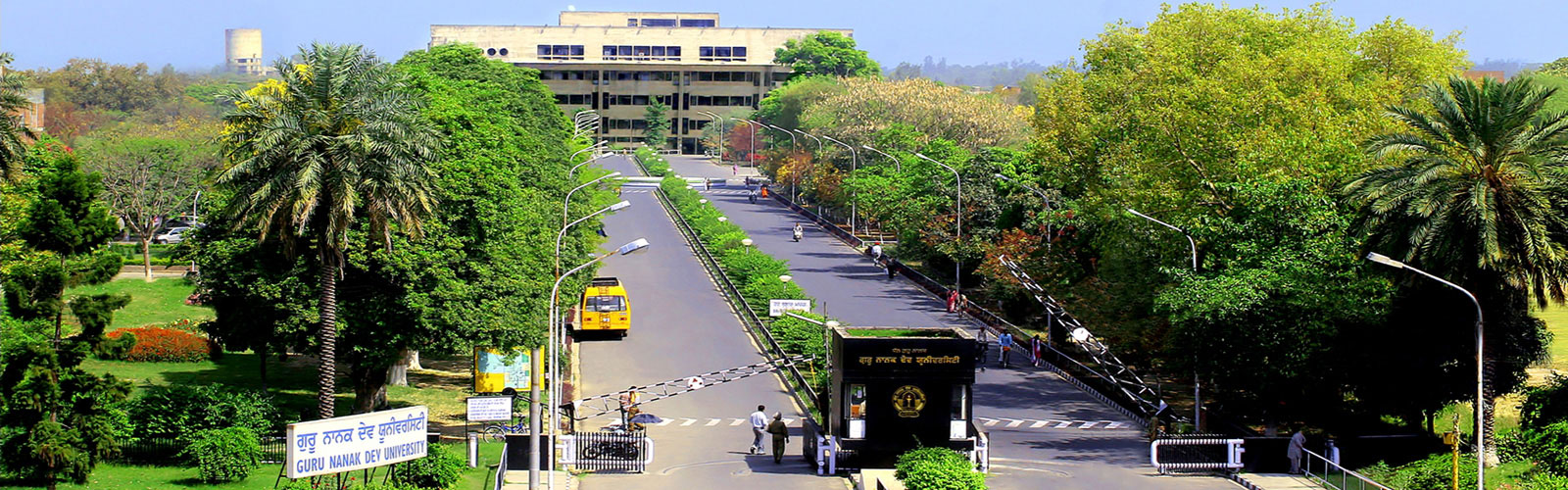
Punjab’s leading government institution, Guru Nanak Dev University, has formally lodged a complaint and demanded an investigation into these changes. The complaint warns that if competitions continue under such rules, both the integrity of sports and the prestige of national honors like the MAKA Trophy will be severely undermined.
All eyes are now on the Ministry of Youth Affairs and Sports and the Sports Authority of India. The question remains clear: will there be an impartial investigation into these rule changes, or will this issue also be quietly brushed under the carpet?





Delivery Of Second Indigenous Diving Support Vessel – ‘Nipun’
‘Nipun’ the second Diving Support Vessel (DSV), built by Hindustan Shipyard Limited&n…
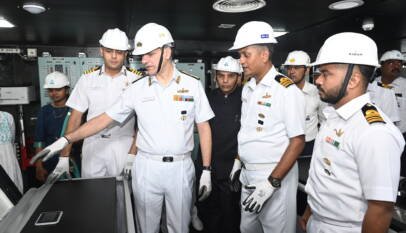
Delivery Of Second Indigenous Diving Support Vessel – ‘Nipun’
‘Nipun’ the second Diving Support Vessel (DSV), built by Hindustan Shipyard Limited was delivered to the …