Dharmatri Emerges as a Model for Water Conservation and Agricultural Prosperity through Crop Rotation

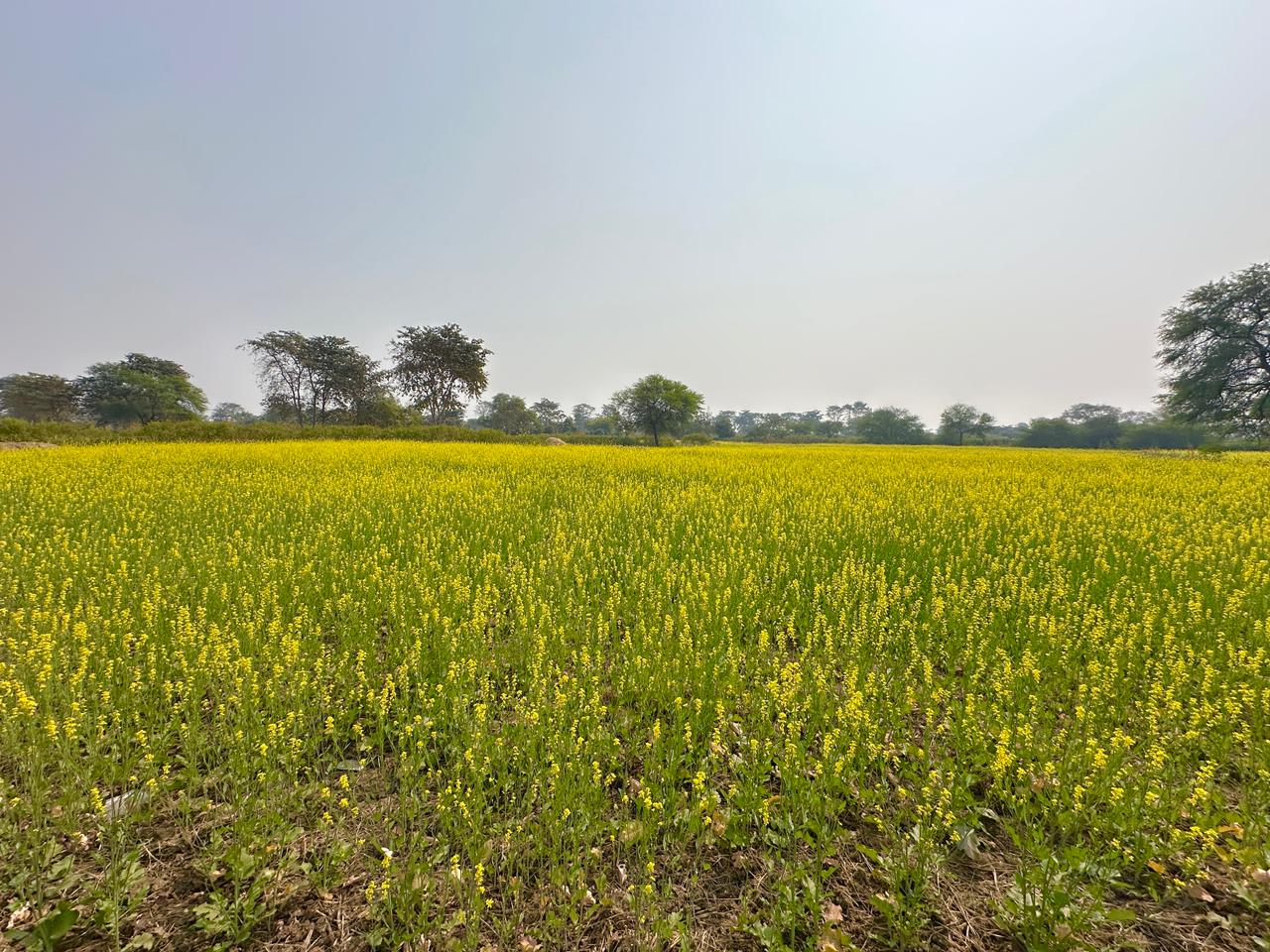
Dharmatri, Jan 2026 : Dharmatri, traditionally known for paddy cultivation, is now scripting a new chapter in agricultural innovation and water conservation. For decades dependent on rice-centric farming, the district has, for the first time, implemented large-scale crop rotation, promoting low-water, high-profit, and environmentally sustainable crops. This initiative has resulted in the area under oilseeds doubling, a remarkable increase in pulses, and the successful introduction of new crops such as peanut and sunflower. This transformation is not the result of a single scheme but reflects the district administration’s well-planned strategy, continuous monitoring, and active farmer participation.
Campaign Led by the Collector
Collector Mr. Abhinash Mishra has been the driving force behind this change, turning crop rotation into a mass campaign. He personally visited villages, inspected fields, engaged directly with farmers, and explained the benefits of pulses, oilseeds, and minor cereals as alternatives to paddy. He emphasized that the future of agriculture cannot be secured without water conservation, making crop diversification essential. Under his guidance, the Agriculture Department effectively disseminated scientific practices, improved seeds, modern farming techniques, and market information to farmers.
Addressing the Water Crisis
Despite abundant natural resources, Dharmatri faced deepening water scarcity due to the over-extraction of groundwater from approximately 30,000 tubewells. With 1,58,180 farmers forming the backbone of its agricultural system, the administration encouraged cultivation of low-water crops during summer. This effort involved the district administration, agriculture department, local representatives, and citizens, creating broad awareness about water conservation and augmentation.
Two-Phase Awareness Campaign
The crop rotation and water conservation initiative was executed in two phases:
- Phase 1 (August–October): Focused on 85 villages facing severe water scarcity with high potential for crop rotation.
- Phase 2 (November–December): Expanded the campaign to 201 villages.
Overall, around 40,000 farmers in 227 villages were directly or indirectly involved. Seeds for Rabi crops were distributed through camps, registration for seed production was ensured, and Rabi loans were disbursed.
Concrete Results
During the Rabi season, 4,300 quintals of seeds were distributed, and 5,379 farmers received loans totaling ₹20.54 crore. Crop area changes reflect the program’s success:
- Mustard area increased from 2,670 ha to 5,726 ha.
- Peanut cultivation began for the first time on 283 ha (Budeni and Chandrasur clusters, Marglod block).
- Sunflower was planted on 100 ha in Gattasilli cluster.
- Total Rabi pulse area increased from 21,850 ha to 31,500 ha.
- Chickpea area rose from 15,830 ha to 18,179 ha.
- Maize area grew from 430 ha to over 1,000 ha.
- Ragi cultivation covered 500 ha this year.
Benefits for Farmers and Environment
Crop rotation improves soil fertility, reduces reliance on chemical fertilizers, lowers production costs, and provides better market returns for oilseeds. Low-water crops reduce irrigation demand, conserve groundwater, and promote environmental balance.
Strengthened Farmer Confidence
For the first time, the government procured chickpeas at minimum support price, further encouraging participating farmers. Preparations are already in place for this year’s MSP procurement, reinforcing farmer confidence.
A Model Government Initiative
Overall, crop rotation in Dharmatri has emerged as a successful governance model. Continuous guidance from Collector Abhinash Mishra, administrative resolve, and farmer participation have proven that sound policy, strong will, and public involvement can achieve both water conservation and agricultural prosperity. This initiative is not only benefiting local farmers but also serving as an inspirational model for other districts. In the coming years, it is poised to position Dharmatri as a leading district in agricultural innovation and sustainable development.



PM Modi Gifts Steve Waugh Rare Photo, India and Australia Unveil Historic Cricket Partnership
Melbourne, July 2026 : Prime Minister Narendra Modi presented former Australian cricket ca…

PM Modi Gifts Steve Waugh Rare Photo, India and Australia Unveil Historic Cricket Partnership
Melbourne, July 2026 : Prime Minister Narendra Modi presented former Australian cricket captain Steve …