Chief Minister directs officials to give special attention to the interests and facilities of local residents living in wildlife sanctuaries, alongside wildlife conservation
Wildlife safety must be ensured while installing mobile towers in forest areas.
Detailed discussions held on projects related to roads, electricity, drinking water and communication facilities in forest regions.
Emphasis on maintaining a balance between wildlife conservation and development.
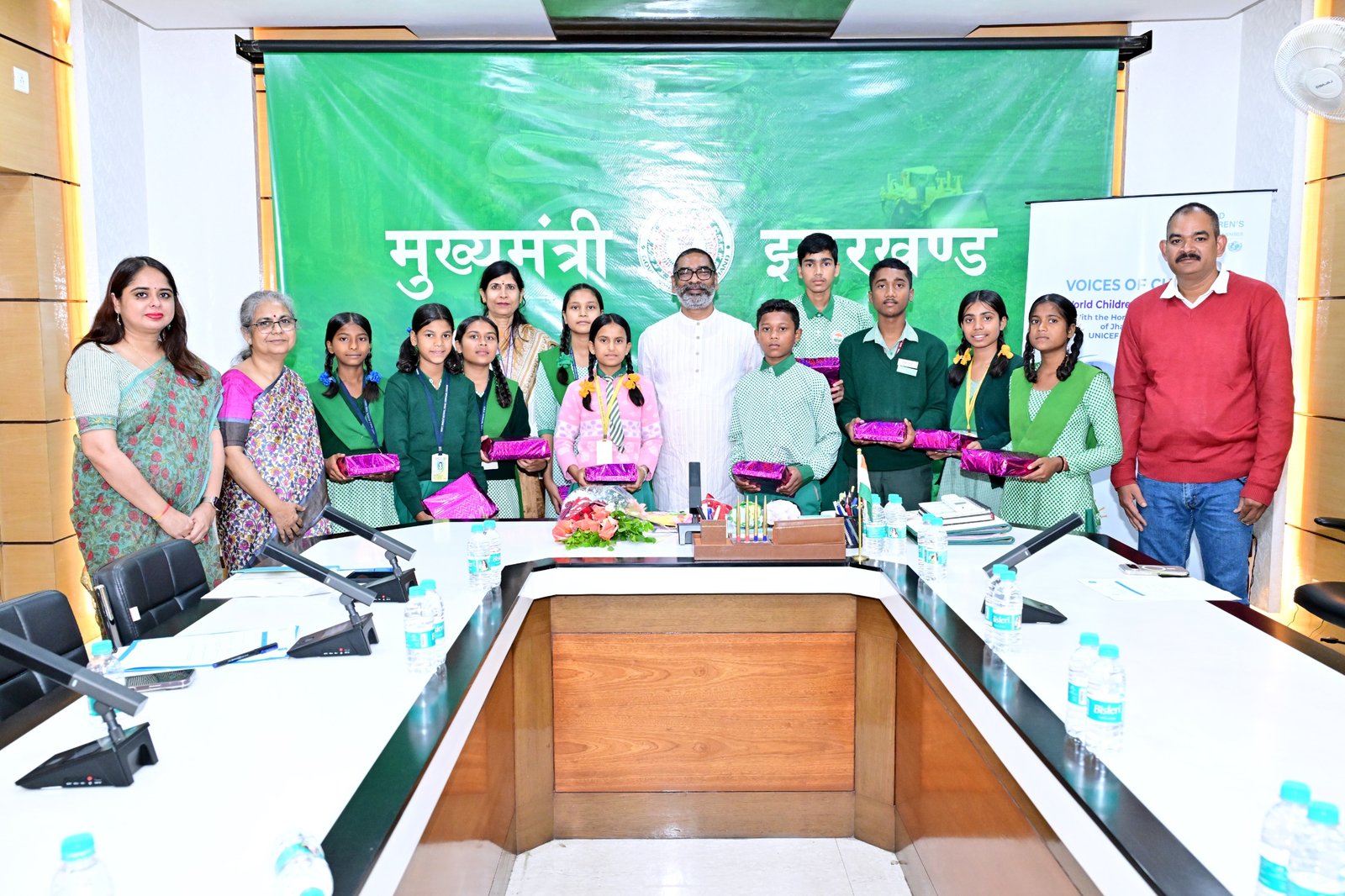
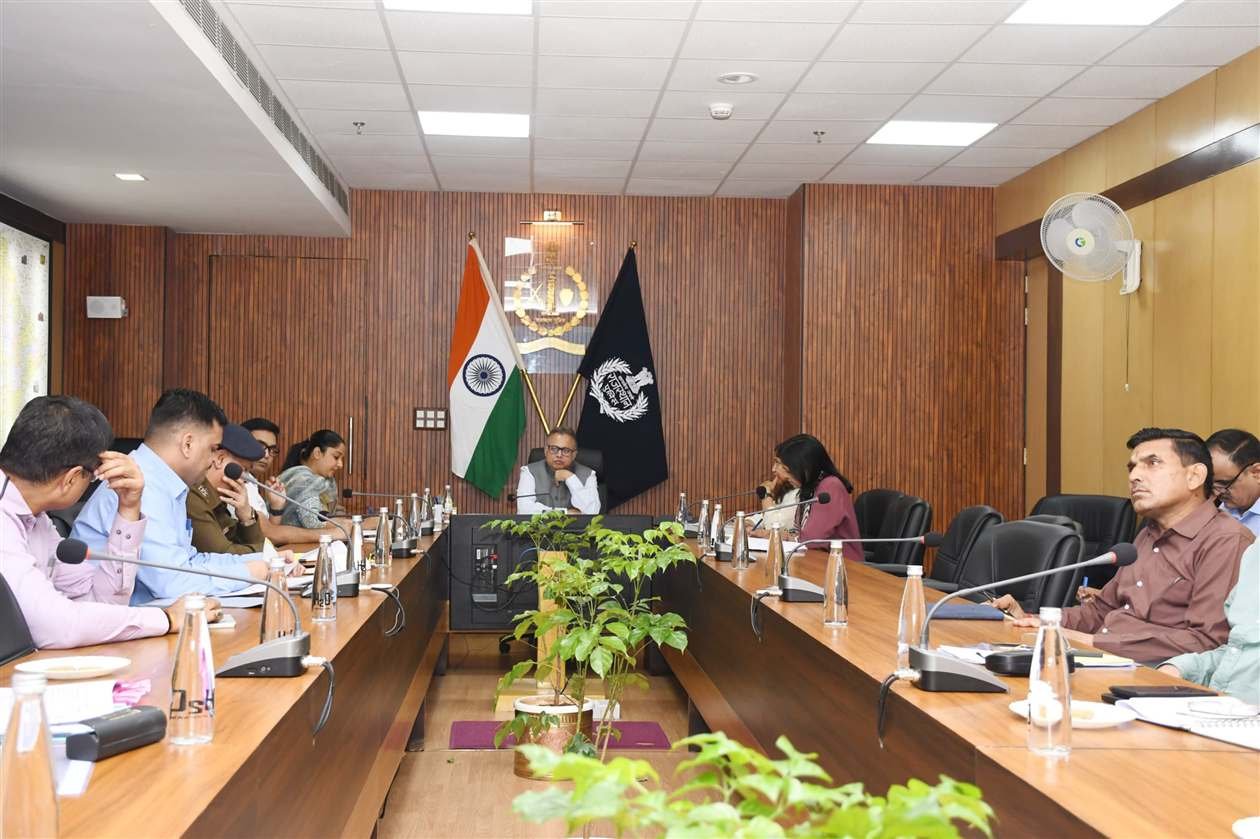
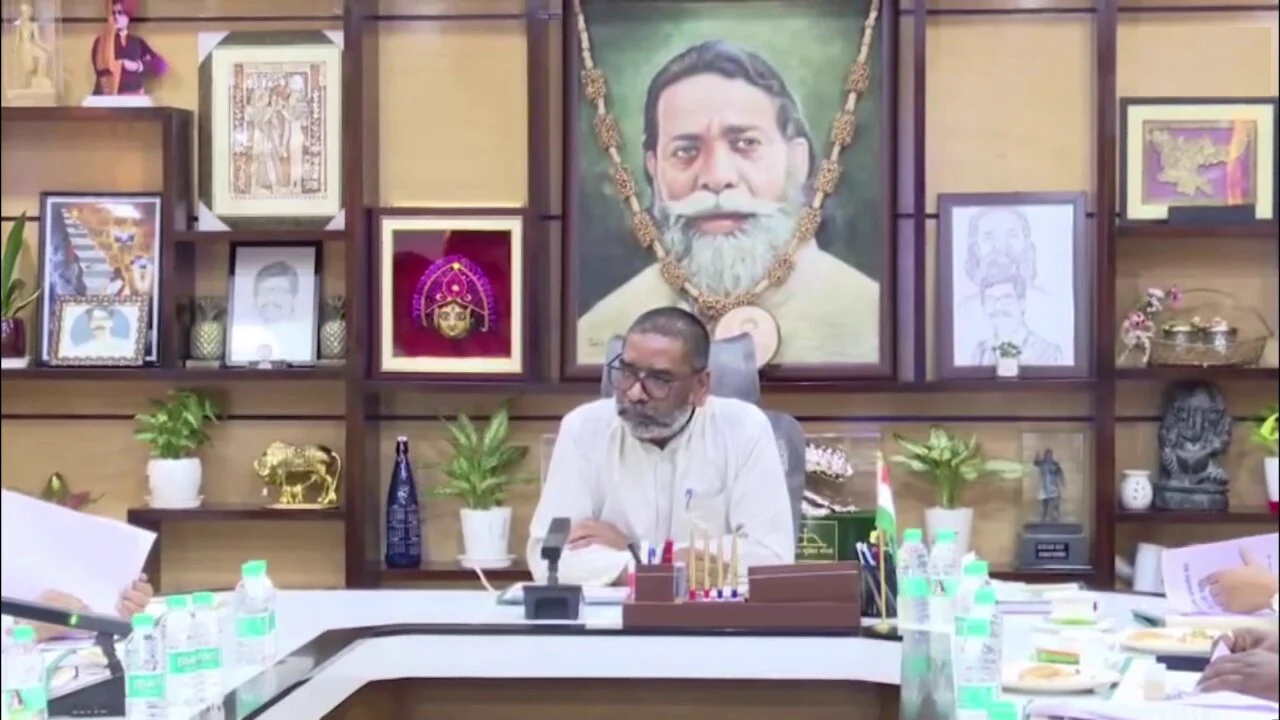
The 16th meeting of the Jharkhand State Board for Wildlife was held today at the Chief Minister’s Residential Office under the chairmanship of Chief Minister Hemant Soren. The meeting witnessed detailed discussions on several important proposals concerning wildlife conservation and management, protection of natural habitats, biodiversity conservation and development activities in forest areas.
During the meeting, the Chief Minister emphasised that, along with wildlife conservation, special priority must be given to the interests, livelihoods and basic facilities of people living in forest areas and wildlife sanctuaries.
Special Attention to the Interests of People Living in Wildlife Sanctuaries
Chief Minister Hemant Soren said that the needs and interests of local communities living in wildlife sanctuaries and protected forest areas must receive special attention. Alongside efforts to protect wildlife, priority should also be given to the livelihoods, living conditions and basic amenities of people residing in these areas.
He said the government should ensure that wildlife conservation efforts also bring positive changes to the lives of local residents. It is essential to establish better coordination between conservation initiatives and the everyday needs of communities living in forest regions.
Plantation of Trees Beneficial to Both Local Communities and Wildlife
The Chief Minister also spoke about plantation drives and the development of forest areas. He said that tree species with practical benefits for local communities should be planted across the state.
He stressed that while selecting species, officials should also consider whether their fruits and other natural resources would be useful for wildlife.
Plantation drives, he said, should not be limited to increasing the number of trees. Priority should be given to species that support environmental conservation and meet the needs of both human communities and wildlife.
Wildlife Safety Must Be Ensured During Installation of Mobile Towers in Forests
The Chief Minister also highlighted the need to improve mobile network connectivity and communication facilities in forest areas and remote rural regions.
He said people living in distant villages and forest areas must have access to better communication services. However, special care must be taken to protect wildlife while installing mobile towers in forest regions.
He directed officials to properly assess the impact of radiation emitted by mobile towers and other environmental factors to ensure that wildlife and their natural habitats are not adversely affected. Necessary technical and environmental safeguards must be put in place, he said.
Review of Road, Drinking Water and Electrification Projects in Forest Areas
The meeting discussed several proposals relating to electricity supply, communication networks, road construction and improvement, drinking water facilities, roads connected with religious tourism and mining projects.
The proposals included:
- Electrification in Bonta village, East Singhbhum: Providing electricity through an 11 kV power line under the Chief Minister’s Ujjwal Jharkhand Yojana.
- Mobile tower in Vijaypur, Latehar: A proposal for installing a mobile tower to improve communication facilities.
- High-level RCC bridge in Garu: Construction of a high-level reinforced cement concrete (RCC) bridge over the Kurri River.
- NH-33 in Seraikela-Kharsawan: Shifting utility services in connection with the construction of a four-lane/six-lane elevated corridor between Kali Mandir and Baliguma.
- NH-75 in Latehar: Construction of a four-lane road between Udaipurwa and Logung.
- Drinking water supply in Koderma Wildlife Sanctuary: Expansion and strengthening of the drinking water supply scheme in Phulwaria, Dumriatand and adjoining areas falling within the sanctuary.
- Palamau Tiger Reserve: A proposal to shift approximately 18.5 km of the railway network between Kundri and Barwadih outside the reserve area.
The meeting also discussed the construction of a road from Madhuban to Shikharji in Parasnath and proposals related to the Tailings Dam-I mining lease of SAIL’s Gua Iron Ore Mines in the Gua area of West Singhbhum district.
The meeting was attended by Jharkhand State Board for Wildlife members and MLAs Louis Marandi, Sudip Gudiya and Ramchandra Singh; Chief Secretary Avinash Kumar; Secretary Abubakr Siddiqui; Principal Chief Conservator of Forests Sanjeev Kumar; Ravi Ranjan; ex-officio and other members of the State Board for Wildlife; and senior officials of the Forest Department.