
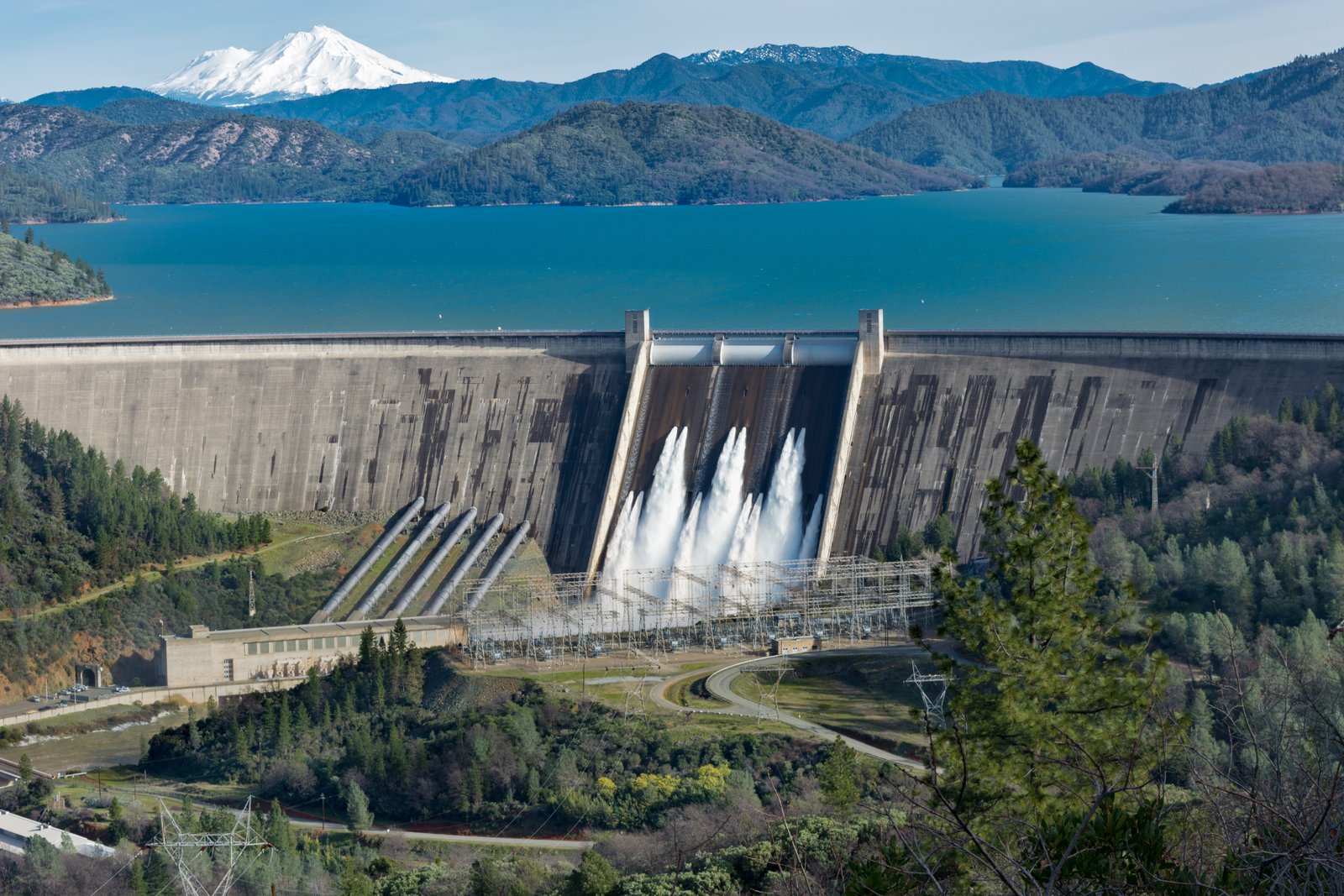
Prague, Sep 2026 : China’s construction of a massive hydropower project on the Yarlung Tsangpo river in Tibet, known downstream as the Brahmaputra, has raised fresh concerns over geological instability, transboundary water flows and the possibility of severe consequences for India and Bangladesh.
The project, being developed near the heavily militarised India-China border, is considered unprecedented in scale. Its location in the Himalayan seismic belt, one of the world’s most earthquake-prone regions, has added to concerns about the safety of the dam and the potential impact of a major natural disaster.
Writing for Project Syndicate, strategic affairs expert Brahma Chellaney, Professor Emeritus of Strategic Studies at the New Delhi-based Center for Policy Research, highlighted what he described as particularly worrying warnings emerging from China’s own scientific community.
Chellaney referred to a recent study published in the Beijing-linked Mandarin-language journal Sedimentary Geology and Tethyan Geology. According to the report, Chinese geologists have identified significant geological vulnerabilities at the construction site.
The study reportedly described the terrain as having a “loose structure and weak cohesion” and warned that movement along faults or a major earthquake could trigger extensive instability. Such an event, it said, could threaten both the reservoir and infrastructure associated with the project.
The scientists have recommended strengthening reservoir slopes, installing additional retaining structures and redesigning critical components to reduce the possibility of a catastrophic failure.
Chellaney argued that warnings from scientists working within China’s tightly controlled system deserve international attention, particularly given the strategic importance of the Brahmaputra and the geological characteristics of the region.
For northeastern India, the Brahmaputra is a crucial river system supporting agriculture, fisheries, wetlands and millions of people. After flowing through India, the river enters Bangladesh, where it serves as one of the country’s most important freshwater sources.
The report raised concerns that the giant hydropower project could potentially influence the river’s downstream flow and the movement of nutrient-rich sediment. Such sediment plays an important role in maintaining river ecosystems and agricultural productivity across countries sharing the basin.
Similar concerns have emerged around China’s extensive dam-building activities on other transboundary rivers, including the Mekong. Large-scale infrastructure projects can potentially affect downstream water availability, sediment transport and river ecology, creating tensions between upstream and downstream nations.
The most serious concern, however, relates to the possibility of an earthquake damaging the structure or forcing an emergency release of water. A sudden release from a massive reservoir could cause severe flooding downstream, potentially affecting densely populated areas across northeastern India and Bangladesh.
The report warned that an engineering or geological disaster in Tibet could therefore develop into a humanitarian crisis extending far beyond China’s borders.
Beyond environmental and geological concerns, the project also has significant strategic implications. The Tibetan Plateau is the source of several major Asian rivers, giving China considerable influence over water resources shared with downstream countries.
Chellaney argued that Beijing’s growing network of dams on transboundary rivers, along with instances of reduced hydrological data sharing during periods of diplomatic tension, has contributed to concerns over the use of water as a strategic tool.
The absence of comprehensive water-sharing agreements between China and downstream countries has further complicated the situation.
The latest geological findings have consequently intensified calls for greater transparency regarding the Tibet project. The report suggested that Chinese scientists may have a deeper understanding of the potential risks associated with the project than is reflected in Beijing’s public position.
With concerns emerging from within China’s scientific community itself, the report argued that Beijing should address geological and transboundary risks openly and recognise its responsibilities towards downstream nations before the project creates what critics fear could become a major “water bomb” upstream.
(Disclaimer :The content of this article is sourced from a news agency and has not been edited by the Mavericknews30 team.)