Ayodhya's traditions gain a new dimension over ten-year journey
Grand celebration becomes a powerful medium for India's cultural identity
Alongside foreign Ramleelas, Ayodhya's 151-year-old heritage gets a platform
People from Argentina, Russia and the US connect through faith and cultural dialogue
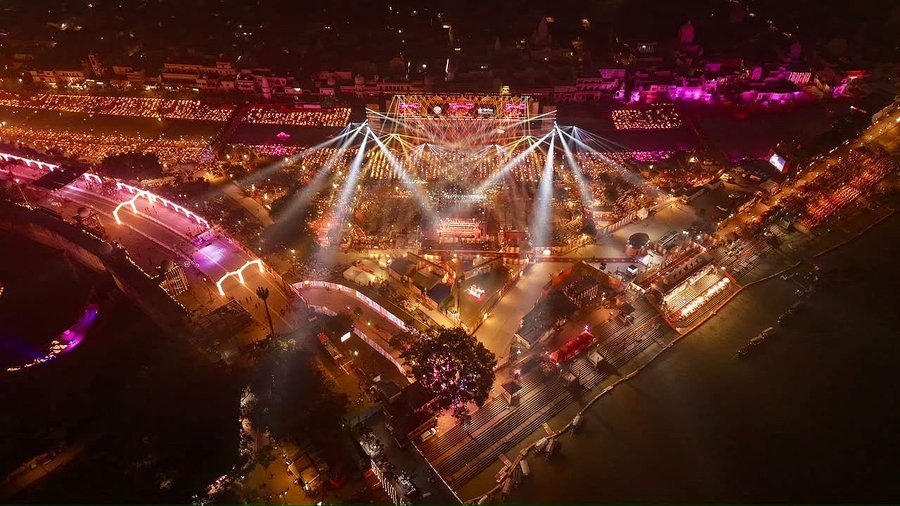
Ayodhya, November 2026 : Lamps illuminated the banks of the Saryu, enthusiasm surrounded the symbolic coronation of Prabhu Shri Ram at Ram Katha Park, and Ram Katha came alive through performances by artists from India and abroad. Ayodhya's 10th Deepotsav transformed devotion, light and culture into a shared experience in which global Ramayana traditions participated alongside local customs.
Under the leadership of CM Yogi Adityanath, this ten-year journey has evolved beyond the expansion of event into an expression of India's cultural confidence. Today, Ayodhya's Deepotsav has emerged as a powerful medium for preserving its heritage, presenting it before the world and bringing different cultures together.
At the heart of this transformation is a vision in which religious traditions, public participation and cultural preservation are interconnected. Along with giving Deepotsav a wider scope, CM has placed Ram Katha and Ayodhya's local identity at its core. This is why the event reflects not only the brilliance of lamps but also the dedication of artists, presence of saints and curiosity of foreign visitors. 10th Deepotsav carries forward the vision that one can remain connected to one's cultural roots while engaging in meaningful dialogue with the world.
Under the Yogi government, significance of Deepotsav during its ten editions is also reflected in the expansion of its cultural dimensions. The illumination of Ram Ki Paidi, Saryu Aarti, episodes from the Ram Katha and stage performances together broaden Ayodhya's identity. Visitors arriving here experience not only religious rituals but also a tradition that artists, storytellers and devotees have kept alive for generations. This feature of the event connects cultural memories with contemporary aspirations.
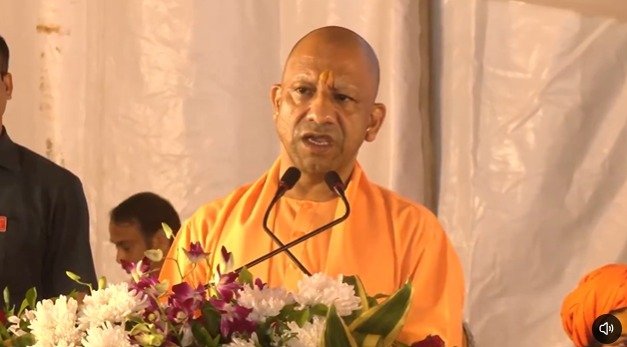
CM Yogi Adityanath's participation directly expresses this cultural vision. During Deepotsav, he welcomed the embodiment of Prabhu Shri Ram and pulled the Ram Rath. A symbolic coronation ceremony was held at Ram Katha Park in the presence of Vice President C.P. Radhakrishnan. These moments transformed the memory of Ram's arrival in Ayodhya into a collective celebration. These faith-rooted scenes present tradition to the younger generation as a living experience.
Integrating modern presentation techniques with tradition is another important part of this journey. Lighting arrangements, projections, and visual presentations of episodes from the Ramayana are emerging as new ways to connect audiences with the narrative. This also enables people who are watching or understanding these cultural themes for the first time to access them. Modern technology at Deepotsav matters because it carries the message of heritage to a wider audience.
The participation of foreign artists provides a concrete foundation for Deepotsav's global identity. Ramleelas from Sri Lanka, Laos and South Africa demonstrate how Ram Katha has developed its own cultural expressions across different societies. Despite differences in language, music, costumes, and performance styles, the essence of the narrative brings audiences together.
The platform, developed under CM Yogi's leadership, offers an opportunity to understand India's cultural influence. When artists from other countries present Ram Katha in their own styles, a dialogue emerges around shared cultural memories between India and those countries. Ayodhya becomes the center of this dialogue. Here, Indian audiences watch foreign performances, while foreign artists experience Indian setting associated with Ram Katha. This exchange enhances possibilities of mutual respect and cultural closeness.
The presence of folk art forms from Assam, Jammu and Kashmir, Kerala, Uttarakhand, and Bengal on the same platform also expresses India's diversity. When artistic traditions from different regions find a place in a single event, audiences get to witness the broad spectrum of Indian culture. The confluence of national and international performances at Deepotsav reinforces the idea that cultural confidence is enriched not only by preserving one's identity but also by welcoming other forms of expression.
This year, the 151-year-old Ramleela of Sahabganj received a platform at Deepotsav for the first time, making it particularly significant. In line with the CM's expectations, local Ramleelas were reviewed before its selection. Ashutosh Dwivedi, advisor to Ayodhya International Ramayana and Vedic Research Institute, has described it as Ayodhya's oldest Ramleela. According to Manoj Jaiswal, district president of Central Ramleela Committee, this is the 151st year of its staging. This initiative is an example of giving wider recognition to local cultural heritage.
Providing opportunities to local artists alongside foreign performers further clarifies the event's cultural vision. Artists who have been staging the Ram Katha for generations are custodians of their tradition. Including them on a major platform recognizes their work and familiarizes audiences with Ayodhya's artistic heritage. Such participation can also inspire young artists to connect with the tradition. This strengthens the local community's participation in the journey toward global recognition.
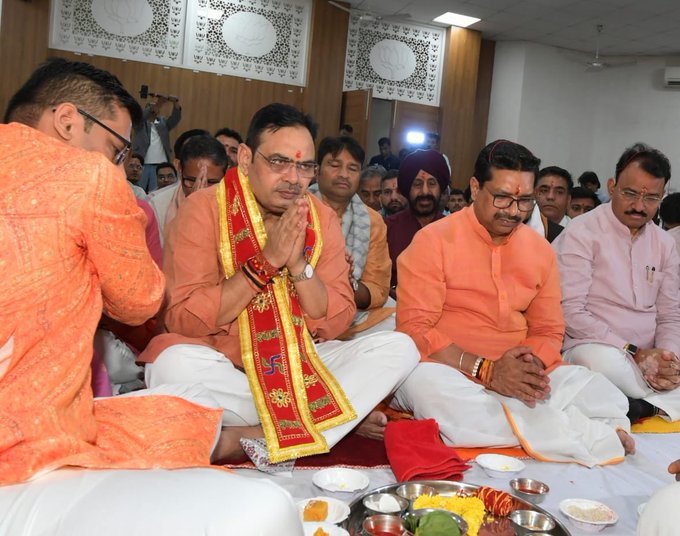
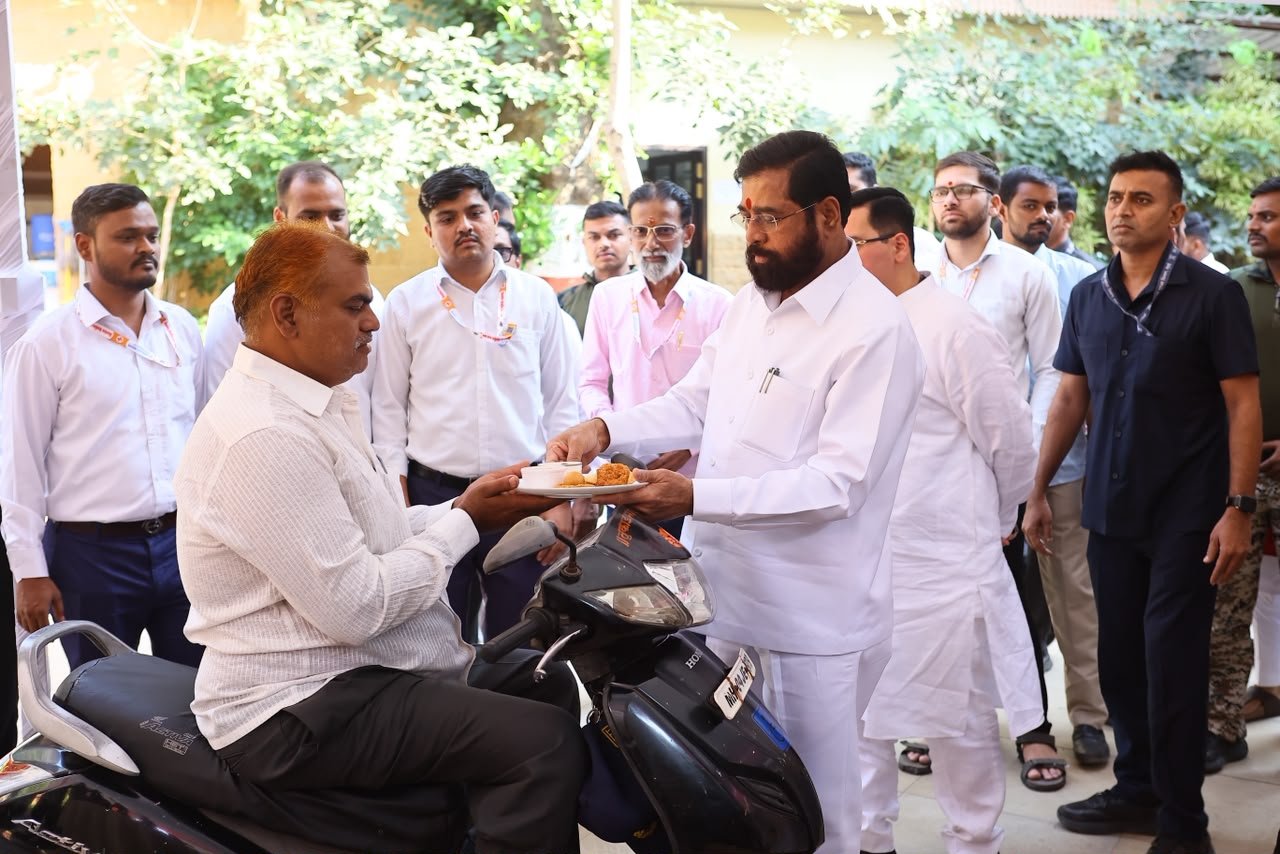
Honoring saints is also part of this cultural continuity. On the occasion of Deepotsav, CM presented sweets and gifts to the saints. The saints said CM's efforts had brought recognition to Ayodhya across the country and abroad. They appreciated CM Yogi for safeguarding religion and culture.
Deepotsav's international reach is reflected not only in artists' participation but also in the involvement of foreign visitors. Paul and Shelby, who arrived from Chicago in United States, participated in Saryu Aarti and lit diyas alongside local people at Ram Ki Paidi. For both of them, the Ayodhya they had heard about became a direct cultural experience.
The presence of visitors from Argentina and St. Petersburg in Russia also highlights the international curiosity surrounding Ramnagari. For some, the attraction lies in understanding Ram Katha, while others seek a spiritual experience. By joining the celebrations alongside local people, visitors can become familiar with the social and community aspects of Indian culture. In this way, Deepotsav becomes a medium not only to see Ayodhya but also to experience it.
Along with this cultural appeal, it also creates more opportunities for local artists, handicraft artisans, and tourism services. Local participation is important to turn these opportunities into sustainable livelihoods. The broader significance of expanding Deepotsav under the Chief Minister's leadership lies in linking heritage preservation with new opportunities.
At the 10th Deepotsav, the illumination of the Saryu banks, the traditions of Sahabganj's artists, and the diversity of foreign performances together create a shared cultural picture. Under the leadership of CM Yogi Adityanath, this event in Ayodhya has become a powerful medium for presenting India's living heritage to the world. The cultural light emanating from Ramnagari offers recognition to local talent, continuity to traditions and a meaningful opportunity for the world to connect with India.