How technological innovations transformed the way people share information, access news and participate in public life
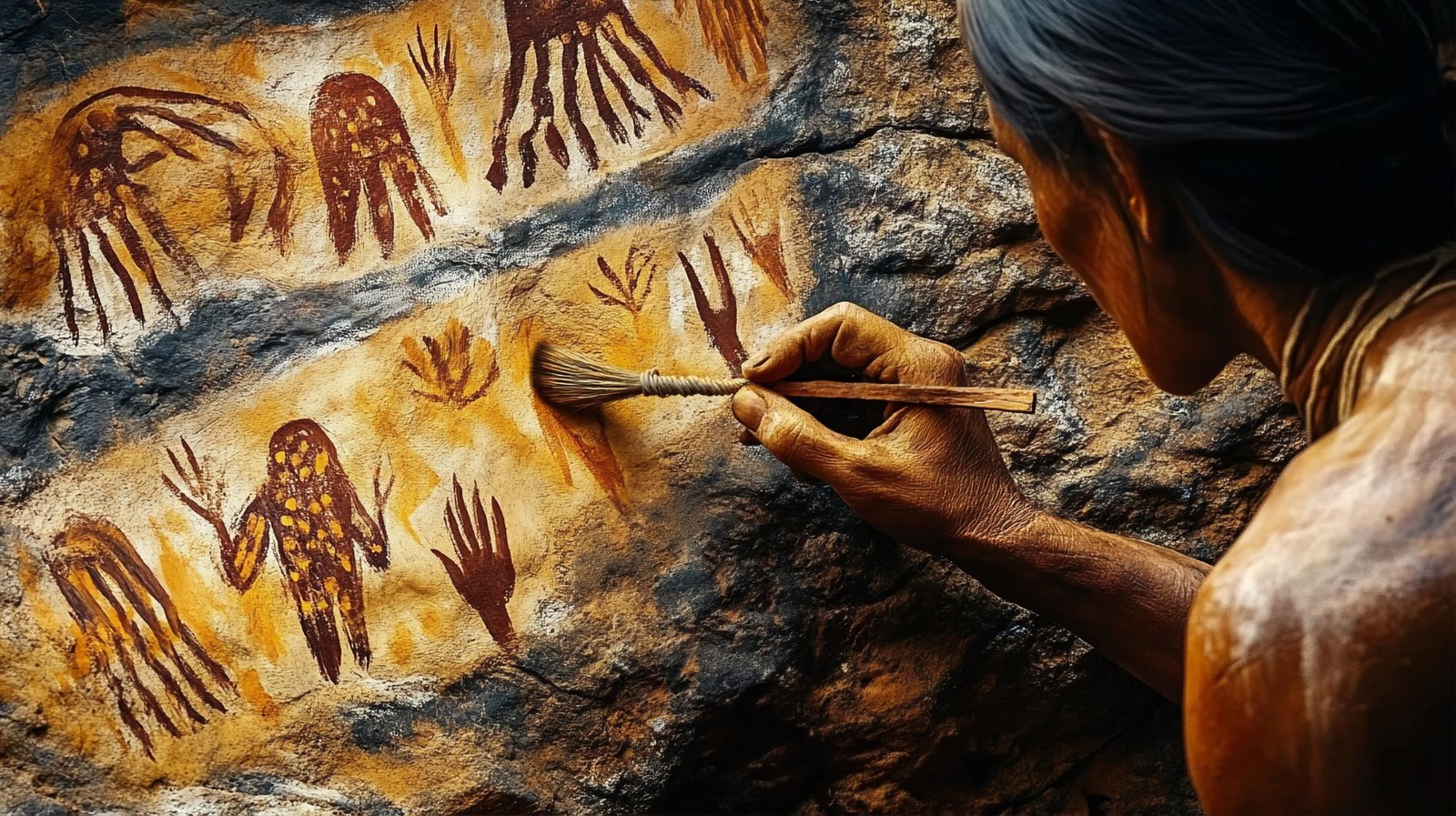
“From the walls of ancient caves to the screens of modern smartphones, the story of human civilisation is also the story of communication.”
Communication has been an essential part of human civilisation since its earliest days. From gestures, symbols and oral storytelling to the exchange of information across the globe within seconds, the methods through which people communicate have undergone a remarkable transformation. The history of mass communication and journalism is closely linked to the evolution of society, technology, politics and culture.
What began as a means of sharing information and recording important events gradually developed into one of the most influential pillars of society. The introduction of printing, newspapers, radio, television and, eventually, digital media transformed how information was produced, distributed and consumed. Today, mass communication plays a vital role in informing citizens, shaping public opinion, raising awareness and connecting communities across geographical boundaries.
Early Communication: The Foundations of Information Sharing
In ancient civilisations, communication depended largely on oral traditions, gestures, symbols, cave paintings and inscriptions. People used these methods to record events, share experiences, pass on knowledge and communicate with others. Messengers also carried information between settlements and kingdoms.
Although these methods were limited by distance and the availability of communication channels, they laid the foundation for the organised exchange of information. Storytelling and public announcements became important ways of preserving history and keeping communities informed.
The Printing Press: A Turning Point in Communication
One of the most significant milestones in the history of mass communication was the invention of the printing press by Johannes Gutenberg in the 1440s. It revolutionised the production of written material by making it possible to reproduce books and documents in larger quantities and at lower costs than manual copying.
The printing press helped knowledge travel beyond restricted circles and made literature, educational material and political ideas more accessible. It also created the technological foundation for the development of newspapers and modern journalism.
By the 17th century, printed newspapers had begun emerging in Europe. They provided regular accounts of political developments, trade, public affairs and other events, giving readers access to information beyond their immediate communities.
The 19th Century: Newspapers and the Telegraph Transform Journalism
The 19th century marked a period of major political, technological, commercial and cultural change for newspapers. Publications became increasingly important in public life, while political parties and organisations supported newspapers at local and national levels.
The number of newspapers in Europe reportedly increased from around 6,000 in the 1860s and 1870s to approximately 12,000 by the end of the century. Advertising also became an established feature of journalism and developed into a major source of revenue for newspaper publishers.
Another important innovation was the electric telegraph, developed through the work of inventors including Samuel Morse. It transformed long-distance communication by allowing messages to travel much faster than traditional postal and messenger systems. News organisations could receive information from distant locations more quickly, laying the groundwork for faster news reporting.
Radio: Bringing News into People's Homes
Radio broadcasting began developing in the 1920s and gained enormous popularity during the 1930s and 1940s. For the first time, large audiences could receive news, information and entertainment directly in their homes without depending on printed publications.
Radio became an important medium during periods of political change, conflict and national emergencies. Its ability to deliver information quickly and reach people across wide geographical areas made it a powerful instrument of mass communication.
In India, broadcasting gradually developed into an important platform for public information, education, news and entertainment.
Television: The Power of Sound and Pictures
Experimental television research began before the Second World War, but regular broadcasting expanded after the war. Television gained widespread popularity during the 1950s and 1960s, transforming the media landscape by combining moving images with sound.
Unlike radio and newspapers, television allowed audiences to see events as well as hear or read about them. News bulletins, documentaries, interviews and live coverage brought major developments into people's homes and made journalism more immediate and visual.
Television gradually became a major source of news and entertainment, changing audience expectations and the way journalists presented information.
The Growth of Journalism in India
The development of Indian journalism has its own significant milestones. Printing presses were introduced to India in the 16th century by Christian missionaries, initially for publishing religious and evangelical literature.
In 1780, James Augustus Hicky launched Hicky's Bengal Gazette, widely recognised as India's first printed newspaper. The publication marked an important beginning for the country's newspaper industry.
Other milestones followed. Bombay Samachar was established in 1822 and became one of India's oldest continuously published newspapers. In 1826, Udant Martand was launched as the first Hindi newspaper.
Raja Ram Mohan Roy, widely regarded as a pioneer of Indian journalism, used publications to promote social reform and public debate. His publications included Sambad Kaumudi, launched in December 1821, and Mirat-ul-Akhbar, which began publication in 1822.
During the Revolt of 1857, newspapers and other forms of communication played a role in reporting political developments and circulating information. Following Independence in 1947, Indian journalism expanded significantly, reflecting the needs of a newly independent nation and its growing democratic institutions.
Economic liberalisation in the 1990s opened the way for the expansion of private television channels, including news broadcasters. The growth of cable and satellite television increased competition and gave audiences access to a wider range of news and entertainment programmes.
The Internet Revolution: From Passive Audiences to Active Participants
The arrival of the Internet and the World Wide Web brought another major transformation. From the 1990s onwards, online publications and digital news platforms began changing how journalism operated. Information could be published and accessed almost instantly, reducing the dependence on traditional print and broadcast schedules.
The emergence of social media platforms such as Orkut, Facebook and YouTube, followed by platforms including Instagram and X, further changed the relationship between media organisations and audiences. People were no longer merely passive receivers of information. They became active participants who could comment, share, respond to and create content.
Smartphones accelerated this transformation by making digital content accessible from almost anywhere. News, videos, photographs and live updates could be viewed and shared within seconds. Social media also enabled individuals, public figures, politicians, celebrities and organisations to communicate directly with large audiences and build their public profiles.
The COVID-19 pandemic further accelerated the use of digital platforms. YouTube and other online services witnessed increased audience engagement as people turned to digital media for news, information, education and entertainment. Content creation expanded rapidly, with individuals and organisations using online platforms to remain connected and relevant.
However, the digital revolution has also created challenges for traditional media. The widespread availability of free online news and the shift of classified advertising to digital platforms have affected the revenue models of newspapers. Many publications now face difficulties in sustaining income through subscriptions and conventional advertising.
The Challenges and Responsibilities of Modern Journalism
The growth of digital media has created opportunities for wider participation and faster information sharing, but it has also brought challenges such as misinformation, unverified content, sensationalism and concerns over credibility.
The speed at which information circulates makes responsible reporting more important than ever. Journalists and media organisations must verify facts, maintain accuracy, respect ethical standards and distinguish reliable information from rumours and misleading claims.
From the printing press to radio, television and smartphones, the journey of mass communication reflects humanity's constant desire to share knowledge and remain connected. While technology has transformed the speed, reach and presentation of journalism, its fundamental responsibility remains unchanged: to inform, educate and empower society.
As the media landscape continues to evolve, credible journalism, ethical reporting and the pursuit of truth remain more important than ever.

By Shruti Dutt