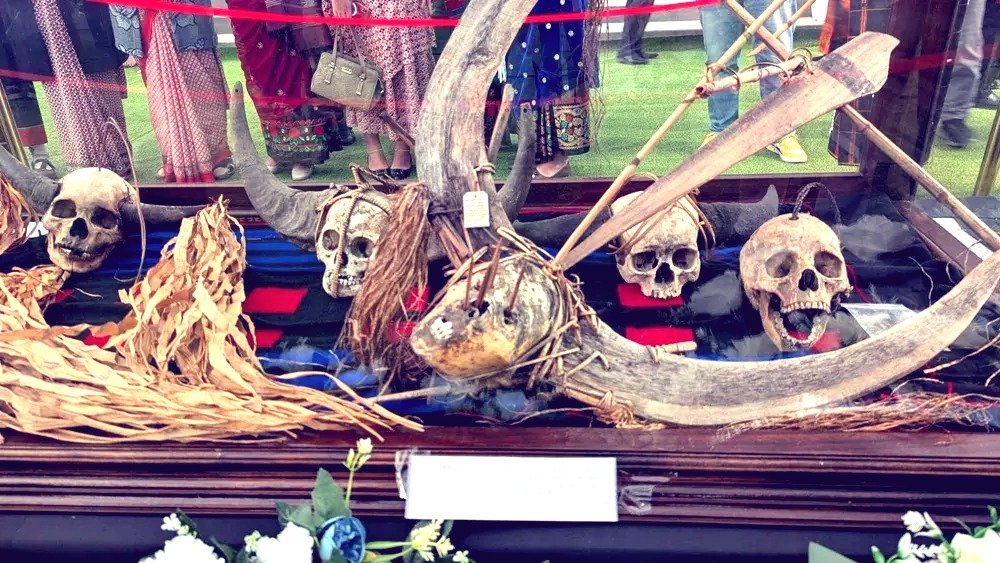
Kohima; November 2026: The remainsof the 39 ancestral humans from the United Kingdom will be open to public viewing at the NBCC Capital Convention Centre, Kohima today (Sunday - November 29th, from 09:00 hours. They are scheduled to be buried at Naga Solidarity Park, Kohima, tommorow (Monday - November 30th 2026 at 14:00 hours).
Earlier, yesterday (Saturday – 28th November 2026), the homecoming of 39 ancestral human remains from the Pitt Rivers Museum, University of Oxford, was marked by calls for unity, healing and the restoration of Naga identity at a public ceremony in Kohima.
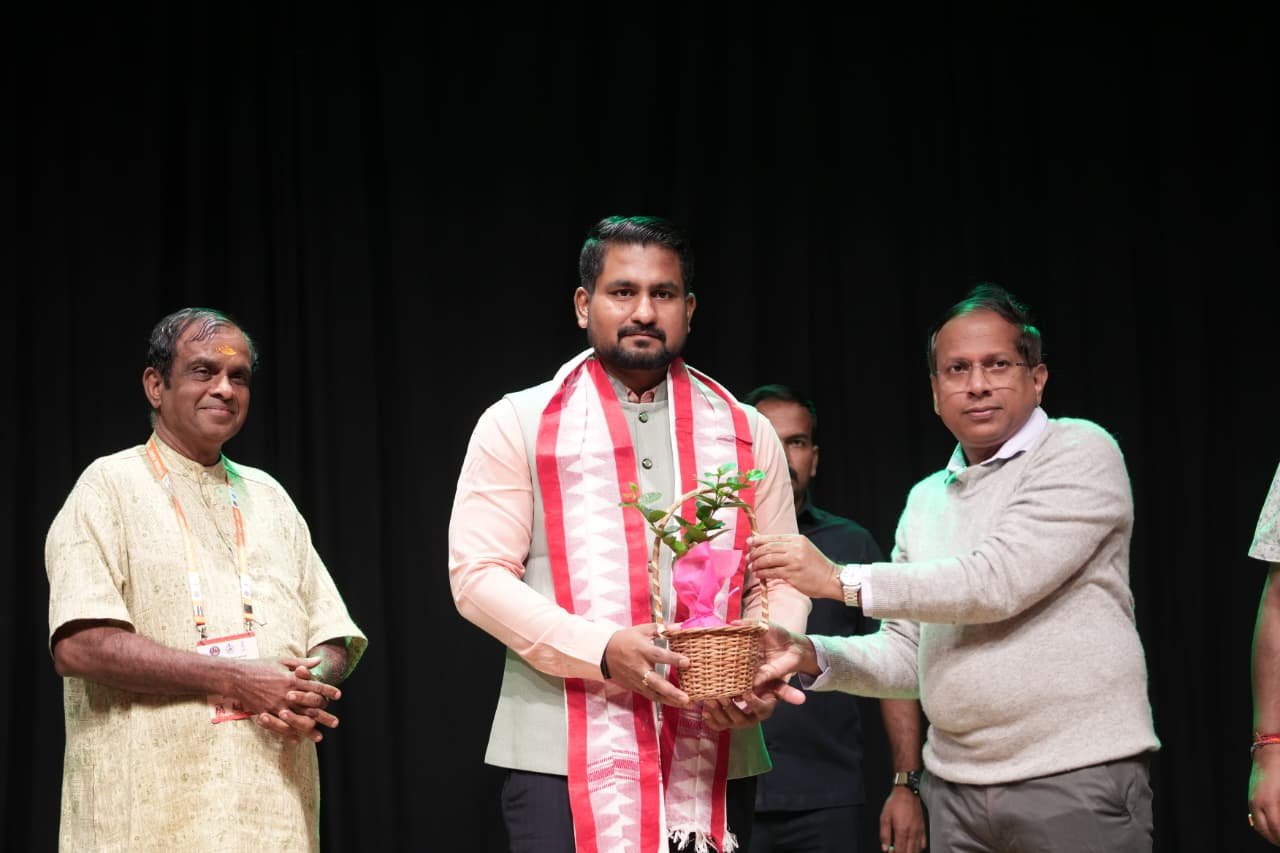
Representatives of Naga tribes, civil society organisations, public leaders and members of the public gathered at the NBCC Capital Convention Centre to welcome the ancestors and pay their respects. Dressed in traditional attire, community representatives and well-wishers laid wreaths and shawls, followed by a moment of silence and reflection.
Addressing the gathering, Chief Minister Neiphiu Rio described the repatriation as a historic moment for the Naga people, saying the return of the remains represented more than the recovery of historical objects. He has voiced: “it is not merely the return of historical remains; it is the restoration of a part of our identity, our history, and our collective memory”.
Rio asserted that the repatriation was a reminder of a chapter in Naga history marked by colonial encounters, and stressed that bringing the remains home was about restoring dignity, honouring ancestors and acknowledging the historical and cultural rights of indigenous communities. He shared that the process of securing the necessary clearances from various ministries and institutions was complex, adding that the state government had extended administrative and financial support to facilitate the repatriation. Its engagement with the Centre, he said, had been instrumental in bringing the remains home.
The Chief Minister has also called for the spirit of cooperation that made the repatriation possible to extend to other collective endeavours, saying the achievement demonstrated what Nagas could accomplish through mutual understanding and concerted effort.
Forum for Naga Reconciliation (FNR) convenor Rev. Dr. Wati Aier said the homecoming was much more than the return of human remains, terming it a restoration of dignity and recognition that every human life carried an identity and a story that should never be forgotten. He said the homecoming offered an opportunity to heal the brokenness of the land, address unresolved grief and help the Naga people confront their history truthfully before moving forward with hope.
Member of Recover, Restore and Decolonise (RRaD) and anthropologist Proffessor Dolly Kikon described the moment as the “Naga Odyssey of the century”, saying it offered an opportunity for Nagas to come together as one people. She said the significance of the repatriation should extend beyond the ceremony, becoming part of a shared history remembered by present and future generations. The living, she added, had a responsibility to show compassion and love towards those who came before them and those yet to come.
“For the first time in Naga history, we have unpacked, touched, documented, and laid before our Naga people our ancestors that were treated as objects and a specimen of primitive people in a foreign land”, Kikon said.
The 39 remains belong to eight Naga tribes: Phom, Konyak, Yimkhiung, Khiamniungan, Sumi, Tangkhul, Pochury and Chang. The Phom tribe accounts for the largest share, with 24 remains.
The repatriation was facilitated by the FNR and Naga tribal hohos, in collaboration with the RRaD research group and a Naga delegation comprising tribal leaders, elders and scholars. Historical records indicate that many of the remains were taken from the Naga homeland during the colonial period, primarily between 1910 and 1940, by British colonial administrators and anthropologists.
Much earlier – it was on the 09th of June, 2025 - a Naga delegation comprising tribal elders, leaders, and representatives from various Naga tribe hohos, the Forum for Naga Reconciliation (FNR) and Recover, Restore, and Decolonise (RRaD) met with officials at the Pitt Rivers Museum (PRM) of the University of Oxford to initiate the repatriation process of ancestral human remains belonging to the Naga people.
The visit marks a significant milestone in a process that began five years ago, aimed at returning remains that had been housed in the museum for over a century. The remains, initially donated by colonial administrator John Henry Hutton and others, were on display at PRM until 2020.
Welcoming the delegation, Professor Dr Laura van Broekhoven, Director of PRM, acknowledged the emotional weight of the occasion. “We know that this week will be one that we will both feel grief and sadness when looking back on that past and also we will feel hope as we work towards reconciliation and healing in the future”, she stated.
On the same day (09th June 2025) a keynote address was delivered by Thejao Vihienuo, President of the Angami Public Organisation, who have traced the historical experience of the Naga people, from living between the Brahmaputra and Chindwin rivers to the disruptions caused by British colonisation.
Vihienuo emphasised that the Nagas were never conquered until the British invaded their land in the nineteenth century and divided their ancestral domain. “We have embarked on this historic journey, not only for the repatriation of our ancestors but also as a journey towards the process of decolonisation”, he said, while further acknowledging that the ancestral remains displayed in the museum had conveyed the history of the Naga people in silence. “We are proud of these ancestors and are here to pay our respectful homage to them. Nagas are aware we cannot undo the past. But, we are confident that this process of repatriation will go a long way in healing the wounds of all the people involved”, Vihienuo had stated.
Team Maverick.