Onam is one of Kerala’s most cherished festivals, celebrated with colour, joy, cultural traditions and a strong sense of community. Associated with the legendary King Mahabali, whose reign is remembered as a period of prosperity and equality, the festival brings families and communities together through celebrations that include floral decorations, traditional performances, games, boat races and, most importantly, the grand Onam Sadhya.
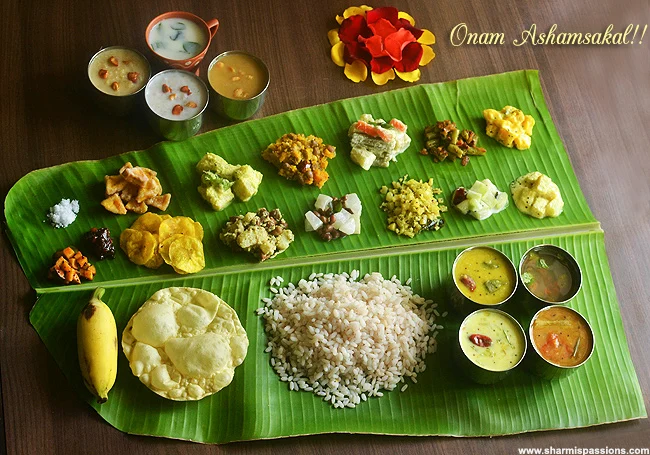
The Sadhya is much more than a festive meal. It is a celebration of Kerala’s culinary heritage and the spirit of togetherness that lies at the heart of Onam. Traditionally served on a banana leaf, the elaborate vegetarian feast brings together a remarkable variety of dishes featuring vegetables, lentils, coconut, spices and locally sourced ingredients. Kerala Tourism notes that a traditional Sadhya can include around 40 dishes, although the exact number and varieties differ across regions and families.
A feast served with tradition
The presentation of the Sadhya is itself an important part of the experience. The banana leaf is traditionally placed with its narrow end pointing towards the left of the person eating. Different dishes are arranged in specific areas of the leaf, while rice is generally served closer to the guest. The meal follows a traditional sequence, with various accompaniments served before and alongside the rice.
The spread typically includes crispy banana chips, pappadam, pickles, ginger preparations and a variety of vegetable dishes. Among the most popular preparations are avial, thoran, olan, erissery, pachadi, kichadi and kootu curry. Each dish brings a distinct combination of flavours, textures and aromas to the meal. Avial, prepared with mixed vegetables, coconut and seasoning, is among the signature dishes of the Sadhya, while olan offers a milder flavour with vegetables and coconut milk.
A celebration of flavours
The main meal traditionally progresses through several courses. Parippu, usually served with ghee, is followed by sambar, while rasam and curd-based preparations add further layers of flavour. The combination of spicy, tangy, mildly sweet and creamy dishes makes the Sadhya a distinctive culinary experience.
One of its biggest attractions is undoubtedly payasam, the traditional Kerala dessert. Different varieties may be served during a Sadhya, including Ada Pradhaman, Palada Payasam, Parippu Payasam and Semiya Payasam. Ripe banana is also commonly enjoyed with the sweet preparations.
More than just food
The significance of Onam Sadhya extends beyond its ingredients. Preparing such an elaborate feast often involves the participation of several members of a family and, traditionally, neighbours and friends as well. The preparation and serving of the meal therefore become occasions for cooperation and social bonding. Kerala Tourism describes Sadhya as an important expression of Kerala’s tradition, community spirit and hospitality.
Regional variations also add to its richness. Different parts of Kerala have their own preferences for dishes and preparation styles. In some northern areas, local Onam feasts may even include non-vegetarian preparations, while temple feasts such as the famous Aranmula Valla Sadya are known for their elaborate vegetarian spreads.
Ultimately, Onam Sadhya captures the essence of the festival itself — abundance, gratitude, hospitality and togetherness. Served on a simple banana leaf yet offering an extraordinary variety of flavours, it remains one of Kerala’s most enduring culinary traditions and a memorable symbol of the cultural richness of Onam.
An Onam Sadhya is a traditional Kerala vegetarian feast served on a banana leaf. Depending on the region and family tradition, the number of dishes can vary considerably. Some of the most popular dishes include:
- Chor (Rice) – The main staple of the Sadhya, usually served with different curries.
- Parippu Curry – A creamy lentil preparation traditionally eaten with rice and a little ghee.
- Sambar – A flavourful lentil-and-vegetable curry made with tamarind and aromatic spices.
- Rasam – A light, spicy and tangy soup-like preparation traditionally served toward the end of the meal.
- Avial – A classic Kerala dish made with mixed vegetables, coconut and yogurt, lightly seasoned with curry leaves.
- Thoran – Finely chopped vegetables cooked with grated coconut, curry leaves and spices. Cabbage, beans and carrots are commonly used.
- Olan – A mild preparation of ash gourd and cowpeas cooked with coconut milk and seasoned with coconut oil.
- Erissery – A traditional combination of vegetables such as pumpkin and beans with coconut, often finished with roasted coconut.
- Kootu Curry – A thick preparation made with vegetables, chickpeas and coconut, offering a mildly sweet and spicy flavour.
- Kalan – A thick, tangy curry prepared with raw banana or yam, yogurt and coconut.
- Pachadi – A mildly sweet and tangy side dish made with vegetables or fruits, yogurt and coconut.
- Kichadi – A yogurt-based preparation, commonly made with cucumber, bitter gourd or other vegetables.
- Inji Curry (Puli Inji) – A spicy, sweet and tangy ginger preparation that adds a sharp flavour to the feast.
- Mango Pickle – A spicy and tangy accompaniment that complements the milder dishes.
- Banana Chips – Thin, crispy slices of raw banana fried in coconut oil.
- Sharkara Varatti – Banana pieces coated with jaggery and spices, offering a sweet and crunchy accompaniment.
- Pappadam – A crisp, thin accompaniment traditionally eaten with rice and curries.
- Upperi – A general term used for crispy fried vegetable or banana preparations served as accompaniments.
- Beetroot Pachadi – A colourful yogurt-based dish made with beetroot, coconut and mild spices.
- Moru Curry – A light buttermilk-based curry seasoned with spices and curry leaves.
- Pulissery – A mildly sour and creamy yogurt-based curry, sometimes prepared with fruits such as pineapple or ripe mango.
- Payasam – The traditional dessert of the Sadhya. Popular varieties include Ada Pradhaman, Palada Payasam, Parippu Payasam and Semiya Payasam.
- Banana – A ripe Kerala banana is often served with payasam and other sweet preparations.
- Curd – Plain curd is traditionally served toward the end of the meal and provides a refreshing finish.
- Buttermilk (Sambharam) – A lightly spiced buttermilk drink sometimes served at the end of the feast.
Together, these dishes create the distinctive balance of sweet, sour, salty, spicy, bitter and creamy flavours that makes the Onam Sadhya one of Kerala’s most celebrated culinary traditions.