US F-35s, French Rafales and UAE F-16s expected to join IAF’s second edition as Jodhpur emerges as a major hub for multinational air operations
New Delhi, September 2026 : More than 40 countries are expected to participate in the second edition of the Indian Air Force’s multinational air exercise Tarang Shakti, scheduled to be held at Air Force Station Jodhpur in Rajasthan from September 26 to October 12. The exercise is set to bring together a wide range of fighter aircraft, support platforms and air force personnel, providing a major platform for tactical training, operational cooperation and military exchanges.
According to defence officials, the United States is expected to deploy two to three F-35 fifth-generation stealth fighter aircraft, while France will participate with Rafale fighters and the United Arab Emirates with F-16 aircraft. Several other countries are expected to contribute transport aircraft and support platforms. More than 30 countries are also expected to participate as observers, according to reports.
The anticipated participation of the F-35 is one of the major attractions of Tarang Shakti 2026. If deployed as expected, it would mark the first time the US Air Force’s fifth-generation stealth fighter participates in an exercise in India. The aircraft has previously appeared at Aero India in Bengaluru, but its participation in a multinational operational exercise would provide a different setting for interaction with other air forces.
The F-35 deployment is expected to add a new dimension to the exercise by bringing a fifth-generation combat aircraft into a multinational environment involving different fighter platforms, surveillance systems, refuelling aircraft and transport assets. The exercise will provide participating forces opportunities to train in complex air operations and develop greater familiarity with different operational procedures and tactics.
France’s participation with Rafale fighters is also expected to be significant. India and France already operate the Rafale, making the exercise an opportunity for the two air forces to undertake coordinated training involving a common combat aircraft platform. The UAE’s participation with F-16 fighters will add another widely operated fourth-generation combat aircraft to the multinational mix.
IAF to Field Major Combat and Support Platforms
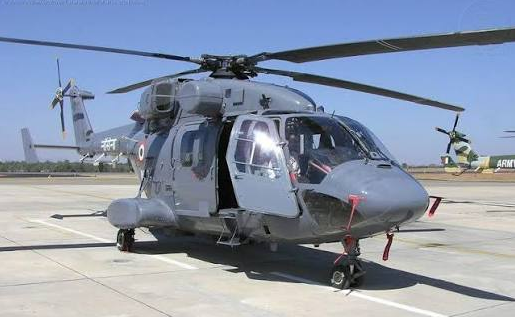
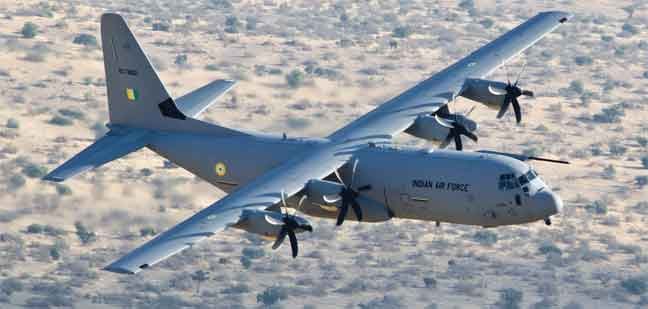
The Indian Air Force is expected to deploy several of its frontline platforms during the exercise. These include Rafale and Sukhoi-30MKI fighter aircraft, along with other major assets such as Mirage-2000 and Tejas fighters, transport aircraft, helicopters, special operations platforms, airborne warning and control aircraft and mid-air refuelling tankers.
The inclusion of support aircraft is particularly important for large-scale air operations. Airborne Early Warning and Control (AEW&C) platforms can provide surveillance and battle-management support, while air-to-air refuelling aircraft extend the operational range and endurance of fighter aircraft.
Transport aircraft will also allow participating air forces to practise air mobility operations, while helicopters and other specialised platforms can support a range of tactical missions. The combination of fighters and force-multiplier platforms is expected to create a realistic training environment for complex air operations.
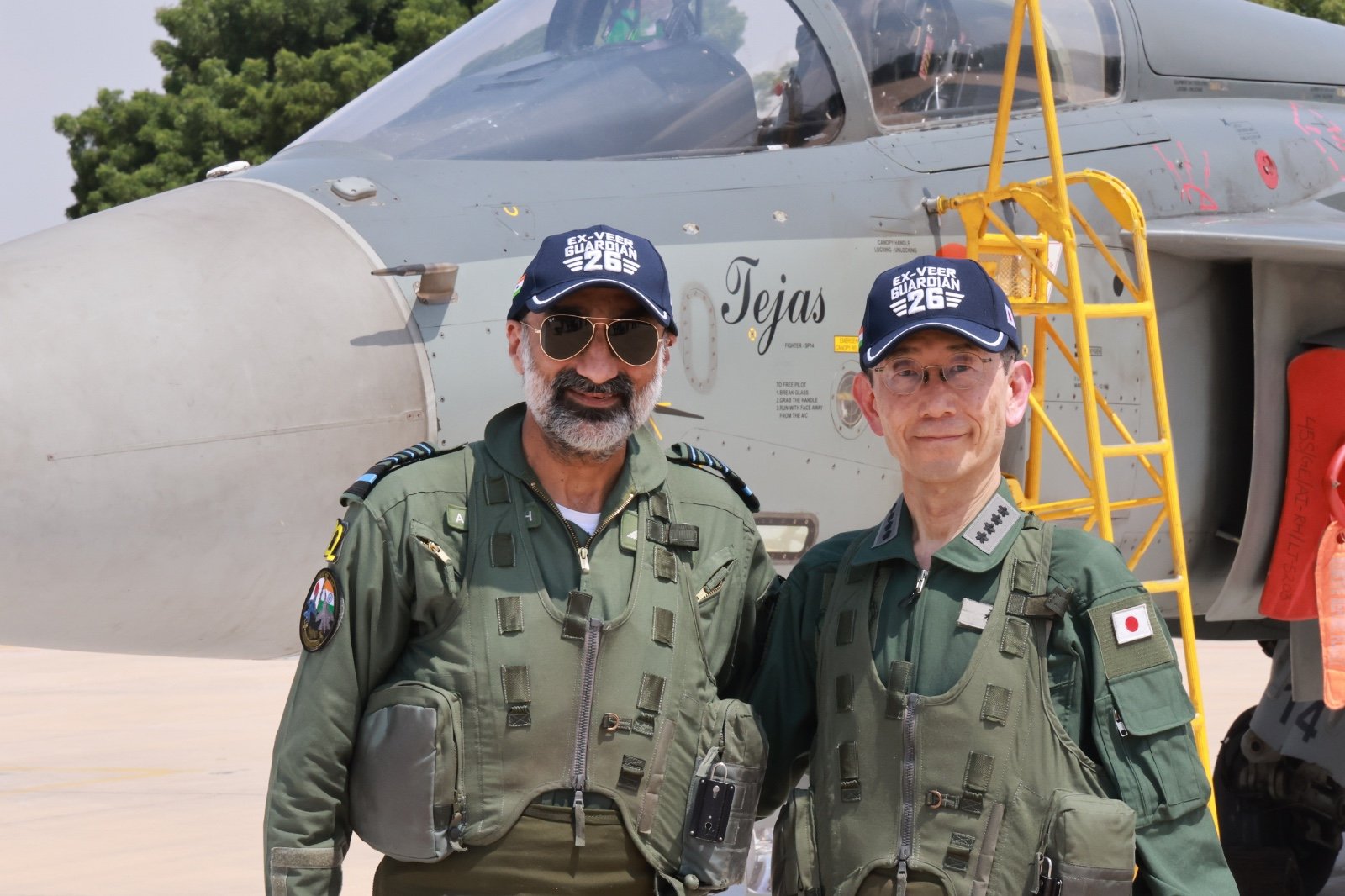
The exercise comes immediately after the conclusion of the bilateral Indo-Japan air combat exercise Veer Guardian, which was conducted at the same Jodhpur airbase from September 9 to 22. The back-to-back international exercises highlight the growing use of Jodhpur for major multinational and bilateral air activities.
From Tarang Shakti 2024 to a Larger Multinational Drill
Tarang Shakti was first conducted in 2024 and became one of the largest multinational air exercises hosted by India. The inaugural edition was organised in two phases at Sulur in Tamil Nadu and Jodhpur in Rajasthan and involved a substantial number of foreign air forces and aircraft.
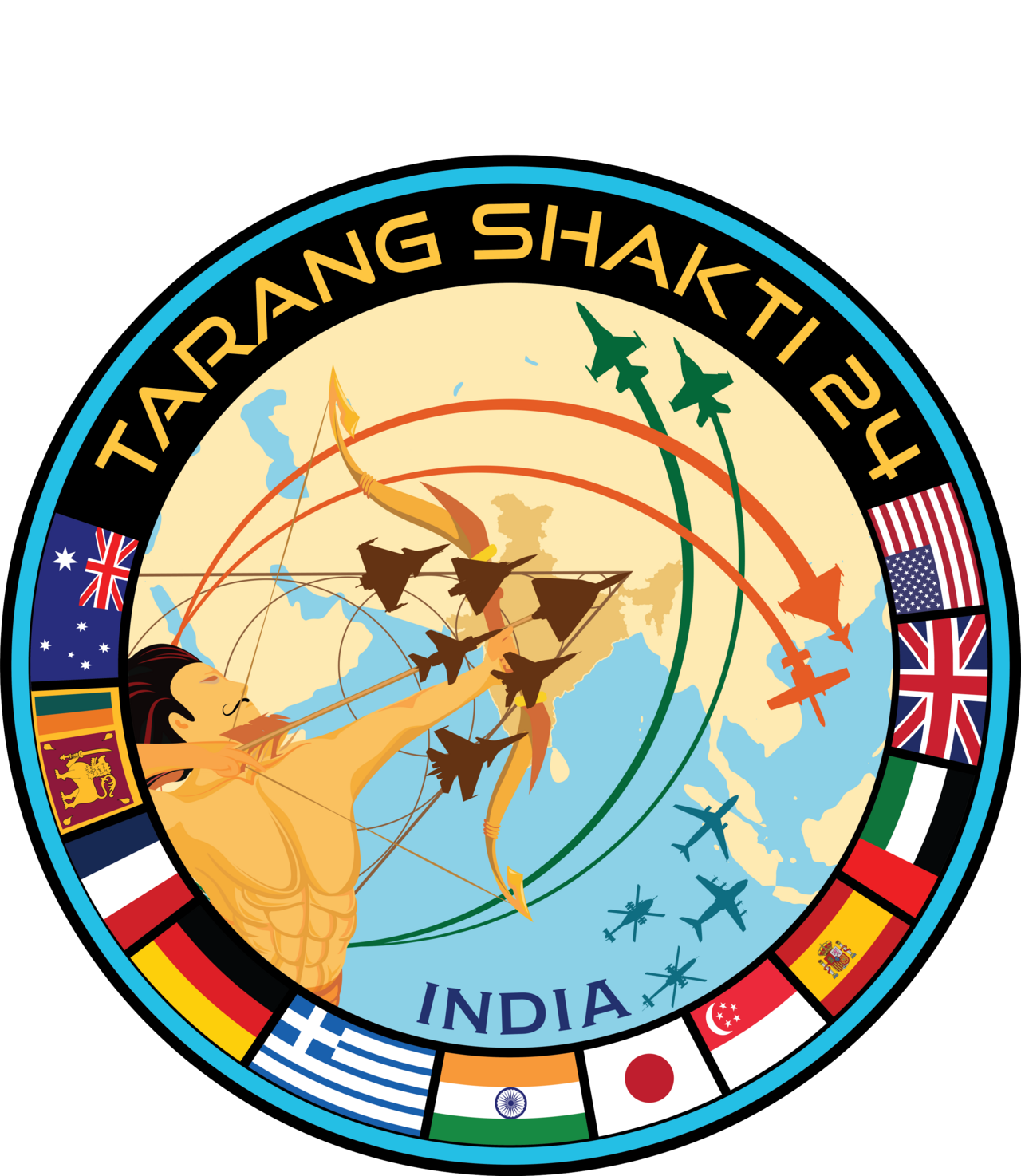
The 2024 exercise featured participation from countries including Australia, France, Germany, Greece, Japan, Singapore, Spain, Sri Lanka, the UAE, the United Kingdom and the United States. It provided participating forces an opportunity to conduct training across a broad range of air operations and interact with different operational doctrines and procedures.
The first edition also included complex aerial missions involving beyond-visual-range engagements, large-force employment, air mobility, dynamic targeting and other forms of tactical training. The experience provided a foundation for expanding the exercise into a larger platform for international air cooperation.
The second edition is expected to build on that experience by bringing together more countries and a wider range of combat and support aircraft. The IAF has described Tarang Shakti 2026 as its premier multinational air exercise and said it would bring global air forces together for high-intensity joint tactical manoeuvres.
Strengthening Interoperability
One of the central objectives of multinational air exercises such as Tarang Shakti is to improve interoperability between participating forces. Air forces operate different aircraft, weapons systems, communications networks and operational procedures. Exercises involving multiple countries allow personnel to develop a better understanding of these differences while practising coordinated missions.
For India, such exercises also provide an opportunity to operate its indigenous and foreign-origin platforms alongside aircraft used by partner air forces. Training alongside different aircraft types can expose pilots and support personnel to varied tactics, mission-planning approaches and operating procedures.
The exercise also has a diplomatic dimension. While the primary focus remains military training, multinational exercises provide opportunities for professional exchanges between officers, ground crews, maintenance personnel and other specialists.
Defence Minister Rajnath Singh had highlighted these aspects during the 2024 edition, stressing the importance of cooperation, coordination and mutual trust among participating countries. He had also noted that personnel from different nations could learn from each other’s operational experiences, work cultures and approaches to warfare.
High-End Aircraft and Strategic Engagement
The expected presence of the F-35, Rafale and F-16, alongside India’s Rafale, Su-30MKI, Tejas and other aircraft, will give Tarang Shakti 2026 a broad technological and operational spectrum.
The F-35 is designed around fifth-generation capabilities including low observability, advanced sensors and networked operations. Its participation would therefore give the exercise an opportunity to include a stealth fighter in a multinational training environment.
The Rafale, operated by both India and France, will provide another important element, while the UAE’s F-16s will add a proven multirole fighter platform to the exercise. The presence of transport aircraft, airborne surveillance platforms and tankers will further expand the range of missions that can be practised.
Reports have identified France, Germany, Greece, the UAE, Australia, Bangladesh and Sri Lanka among the foreign air forces participating, while Singapore and other countries are also expected to be involved. The participation mix reflects the exercise’s expanding geographical reach.
Jodhpur as a Major Air Exercise Hub
The choice of Jodhpur for the 2026 edition also underlines the importance of the Rajasthan airbase for large-scale flying exercises. Its location and available airspace provide an environment suitable for conducting complex aerial training involving multiple aircraft and formations.
The conclusion of Veer Guardian just before Tarang Shakti is expected to allow the airbase to transition directly from one major international exercise to another. This creates a concentrated period of multinational air activity involving different partner nations and aircraft types.
The 2024 edition also featured flying displays involving the indigenous Light Combat Aircraft Tejas, Light Combat Helicopter Prachand, Sarang helicopter display team and the Surya Kiran Aerobatic Team. These demonstrations showcased different elements of India’s aerospace capabilities alongside the operational training component.
With more than 40 countries expected to participate, including nations contributing fighter aircraft, transport platforms and support assets, Tarang Shakti 2026 is set to significantly expand the scale of India’s multinational air engagement.
Beyond the flying operations, the exercise will provide opportunities for military-to-military interaction, professional exchanges and discussions on operational cooperation. For participating air forces, the event will offer a common environment to train with diverse platforms and procedures.
As Tarang Shakti returns to Jodhpur, its second edition is expected to underline the growing role of multinational exercises in building interoperability and strengthening defence relationships. The participation of advanced aircraft such as the US F-35, French Rafale and UAE F-16, alongside the IAF’s frontline fleet, will make the exercise a significant showcase of contemporary air power and international military cooperation.
(Disclaimer :The content of this article is sourced from a news agency and has not been edited by the Mavericknews30 team.)