Thoothukudi, Aug 2026 : The demand for a dedicated sea ambulance service is gaining momentum among fishing communities in Tamil Nadu’s Thoothukudi district, with fishermen urging the state government to establish a specialised emergency medical response system to deal with accidents and life-threatening health emergencies at sea.
Fishermen point out that critical time is often lost when a crew member suffers a serious illness or meets with an accident while fishing offshore. In the absence of an emergency medical facility at sea, fishing vessels are forced to spend several hours travelling back to the shore before the affected person can be taken to a hospital. A properly equipped sea ambulance, they argue, could provide immediate medical assistance and substantially improve survival chances.
Thoothukudi has a 163.5-km-long coastline stretching from Vembar in the north to Manappad in the south along the Gulf of Mannar. The district has 21 fishing hamlets, with thousands of families dependent on marine fishing for their livelihood.
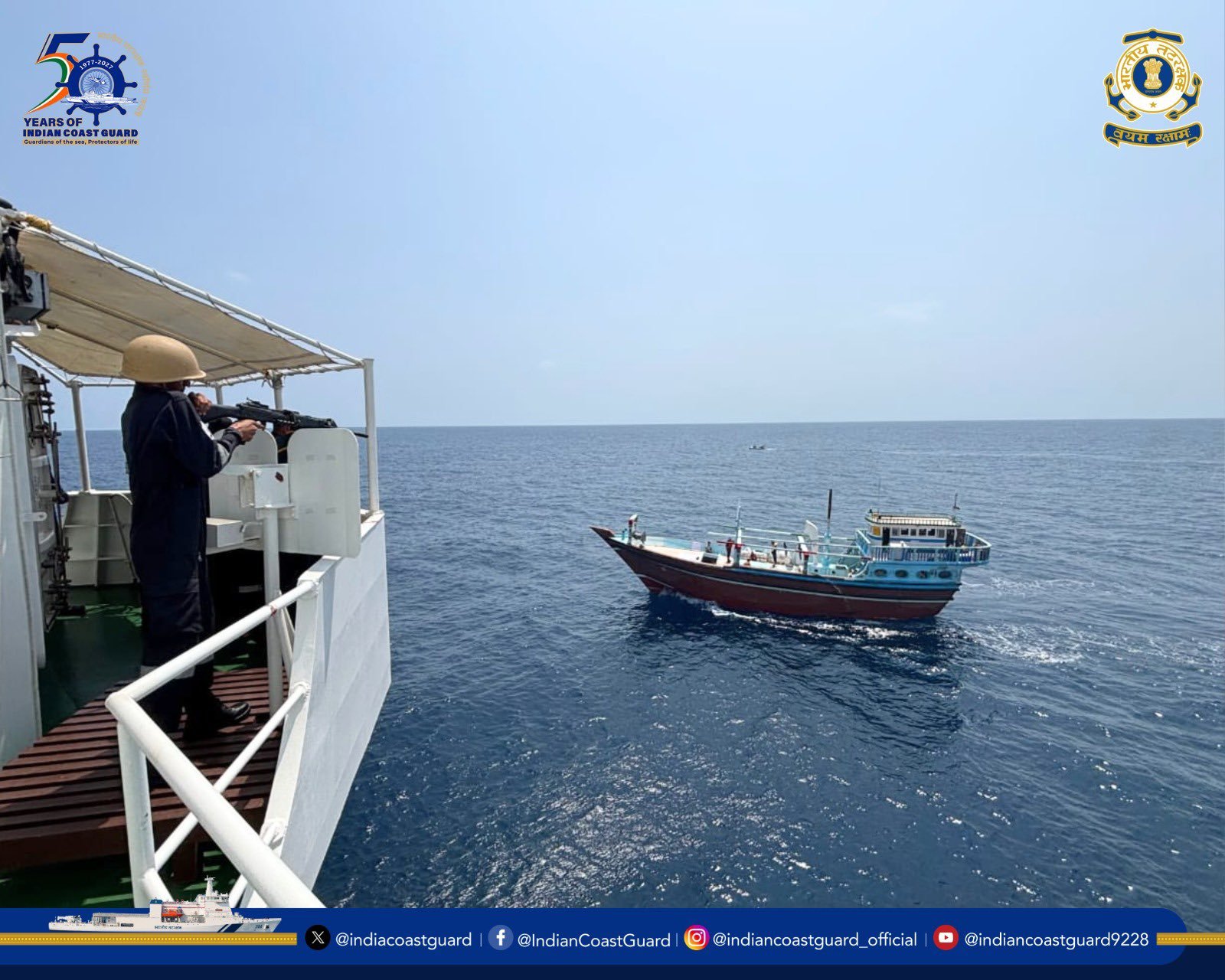
According to officials, more than 4,500 motorised country craft boats, around 350 mechanised gill-net fishing vessels and nearly 200 mechanised bottom trawlers operate from the district. Nearly 10,000 fishermen venture into the sea every day. In addition, around 500 conch divers are engaged in collecting dead conches and chanks from the seabed.
While country boat fishermen generally operate within territorial waters extending up to 12 nautical miles from the coast, mechanised fishing vessels travel much farther into the sea. Some fishing trips can last more than 10 hours, while gill-net vessels frequently remain offshore for several days.
The lack of immediate medical assistance becomes particularly dangerous when fishermen suffer heart-related problems, breathing difficulties, serious injuries or other medical emergencies. At present, crews often have no option but to abandon fishing operations and return to shore, with the journey sometimes taking several hours.
Fishermen say such delays can worsen a patient’s condition and, in severe cases, result in loss of life. A sea ambulance stationed at a strategic location could reach fishing vessels quickly, provide first aid and stabilise critically ill or injured fishermen before transporting them to a hospital.
The community also faces challenges when fishermen drown or go missing at sea. Nearby fishing vessels are usually mobilised for search operations, while fishermen’s associations sometimes have to meet the expenses involved in prolonged search efforts.
Fishing communities traditionally suspend operations and return to shore when a fisherman dies at sea. They believe that deploying sea ambulances equipped with emergency medical facilities and trained personnel at strategic points along the Thoothukudi coast would provide a much-needed safety net.
The proposed service could offer rapid medical intervention, facilitate emergency evacuation and significantly reduce the time taken to transport critically injured or ill fishermen from offshore locations to hospitals on the mainland.
Team Maverick