Bangladesh Faces Mounting External Debt Burden with $26 Billion Repayment Due by 2030

New Delhi, April 2026 : Bangladesh is set to face a significant economic challenge over the next decade, as rising external debt obligations threaten to strain its financial stability. According to a recent report in local media, the country will need to allocate approximately $26 billion between fiscal years 2026 and 2030 to service its external debt, marking a sharp escalation in repayment commitments.
The scale of this burden becomes more apparent when viewed in historical context. Since gaining independence over five decades ago, Bangladesh has repaid a total of about $40 billion in external debt. However, in just the next five years, it will be required to repay nearly two-thirds of that cumulative amount, underlining the rapid acceleration in borrowing and repayment pressures.
As of June last year, Bangladesh’s total external debt stood at around $77 billion, accounting for roughly 19 per cent of its national income. This ratio has been steadily increasing, raising concerns about the country’s long-term debt sustainability. At present, debt servicing consumes about 16.5 per cent of government revenue—slightly below the International Monetary Fund’s risk threshold of 18 per cent—but still indicative of growing fiscal stress.
Looking further ahead, the situation appears even more demanding. Between fiscal years 2026 and 2035, Bangladesh’s external debt repayments are projected to reach $51 billion, effectively doubling the obligations expected in the first half of that period. Annual repayments are anticipated to peak at approximately $5.5 billion by 2030, placing additional pressure on the country’s foreign exchange reserves.
Remittances, a key source of foreign currency for Bangladesh, offer some cushion but may not be sufficient to offset the rising liabilities. Between 2021 and 2025, the country received around $2 billion per month in remittances. At peak repayment levels, this would equate to roughly three months’ worth of remittance inflows being required annually to meet debt obligations. If current trends persist, it could take Bangladesh until 2063—nearly four decades—to fully clear its existing external debt.
Several global and domestic factors have contributed to the buildup of this debt. International disruptions such as the COVID-19 pandemic, the Ukraine conflict, and ongoing tensions in the Middle East have adversely affected Bangladesh’s export performance, foreign direct investment, and remittance inflows. These external shocks have weakened the country’s capacity to generate the foreign exchange needed for debt servicing.
On the domestic front, large-scale infrastructure projects financed through external borrowing have significantly added to the debt load. Major initiatives such as the Ruppur Nuclear Power Project, the Karnaphuli Tunnel, the Padma Rail Link, and the expansion of Shahjalal International Airport have required substantial foreign funding. Delays in executing these projects have further escalated costs, increasing repayment obligations.
Additionally, structural challenges within the economy have compounded the issue. Bangladesh has struggled to broaden its tax base, particularly in terms of direct taxation, limiting government revenue growth. At the same time, changes in lending terms by international creditors—including higher interest rates, shorter repayment periods, and reduced grace periods—have intensified the pressure on the country’s debt servicing capacity.
As Bangladesh navigates this complex financial landscape, policymakers will need to balance development ambitions with fiscal prudence to ensure long-term economic stability.
(The content of this article is sourced from a news agency and has not been edited by the Mavericknews30 team.)
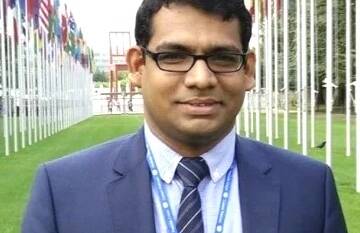



Shivakumar Says Congress United, Assures Women Will Get Cabinet Berth
Bengaluru, Aug 2026 : Karnataka Chief Minister D.K. Shivakumar on Monday sought to dismiss…
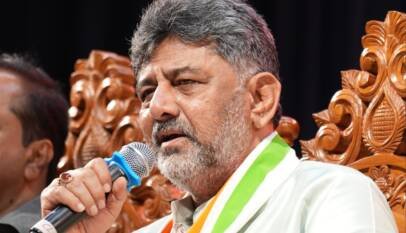
Shivakumar Says Congress United, Assures Women Will Get Cabinet Berth
Bengaluru, Aug 2026 : Karnataka Chief Minister D.K. Shivakumar on Monday sought to dismiss …