Trump Highlights Economic Strength, Raises EU Auto Tariffs, Signals Cautious Approach on Iran Talks

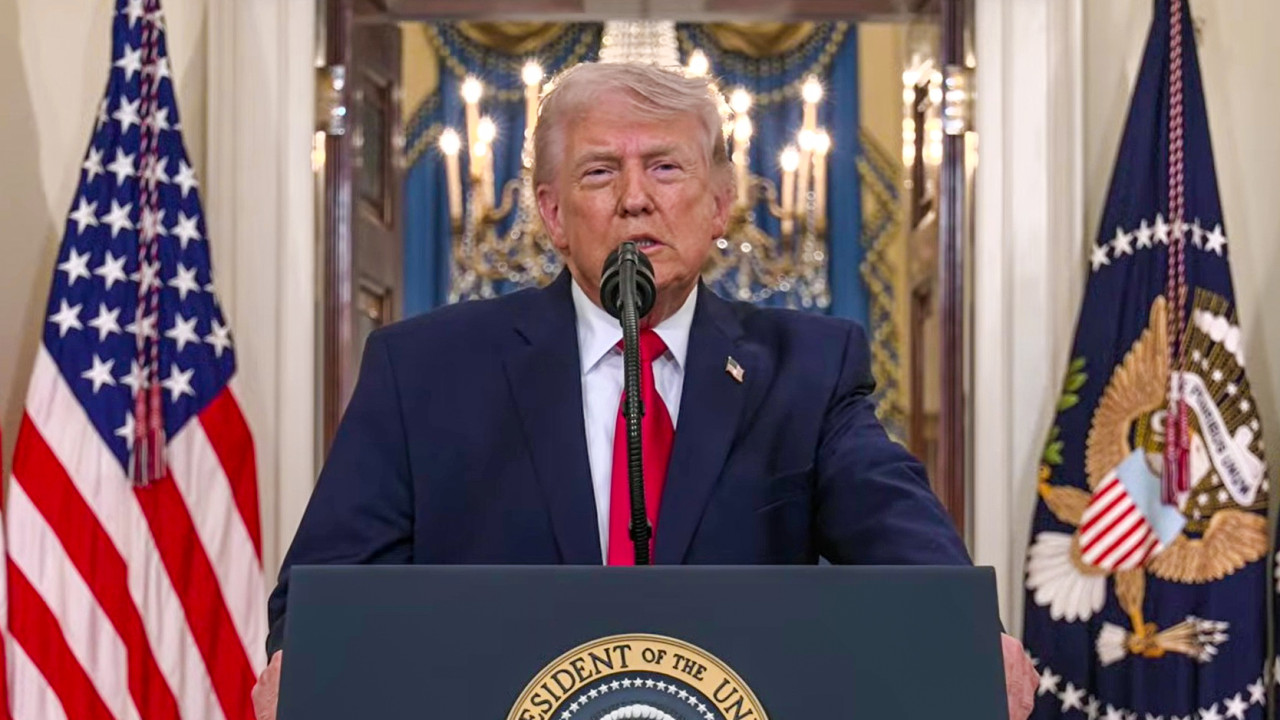
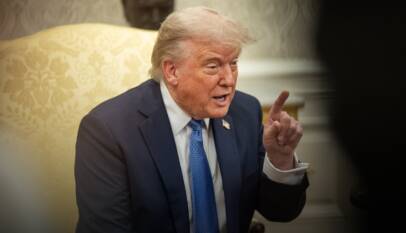
Washington, May 2026: US President Donald Trump on Friday projected confidence in the American economy, pointing to record employment levels, strong stock market performance, and rising domestic investment, while reinforcing his administration’s “America First” policy across trade, industry, and foreign affairs.
Speaking to reporters at the White House, Trump said the US economy was performing at historic highs. “The stock market is hitting record numbers. We have more people working in the USA today than we’ve ever had working,” he said, attributing the growth to sweeping tax cuts and deregulation measures introduced during his tenure. He described these policies as central drivers behind increased business activity, industrial expansion, and investor confidence.
However, the President acknowledged that high fuel prices remain a concern for consumers. He expressed optimism that prices would decline once geopolitical tensions ease. According to Trump, large volumes of oil are currently unable to move through constrained global shipping routes, and a resolution of ongoing conflicts could lead to a sharp drop in gasoline prices. He also highlighted robust domestic energy production, noting that the US is producing more oil than at any other time in its history, with major shipments flowing through ports in Texas, Louisiana, and Alaska.
Reiterating his “America First” doctrine, Trump emphasised that economic decisions would prioritise domestic interests. Referring to a potential government intervention involving Spirit Airlines, he said the administration is open to saving jobs but only if the deal benefits the United States. “We’d like to save the jobs, but only if it’s a good deal,” he stated.
On trade policy, Trump announced a significant escalation in tensions with the European Union, confirming that tariffs on imported cars and trucks have been raised to 25 percent. He accused the EU of failing to adhere to an existing trade agreement, arguing that the tariff hike would generate billions in revenue and compel foreign manufacturers to shift production to the United States. The President claimed that the policy is already yielding results, pointing to over $100 billion in new automotive manufacturing investments from countries such as Japan, South Korea, Canada, and Mexico.
Trump also outlined incentives aimed at boosting domestic manufacturing, including potential tax deductions on interest payments for buyers of American-made vehicles. He framed these measures as part of a broader effort to strengthen the country’s industrial base and create jobs.
On foreign policy, Trump addressed ongoing negotiations with Iran, describing the talks as incomplete and uncertain. While stating that Iran is interested in reaching an agreement, he expressed dissatisfaction with the current terms and indicated that internal divisions within Iran’s leadership are complicating progress. Despite his criticism, Trump signalled a preference for diplomacy over military action, saying he would rather pursue a deal than escalate conflict.
He also made strong claims about Iran’s military capabilities, asserting that its forces have been significantly weakened. At the same time, he defended his position on military authority, arguing that presidential decisions on military action have historically not required prior Congressional approval.
In addition, Trump touched on broader geopolitical engagement, mentioning plans for a future visit to China and expected visits by leaders from Lebanon and Israel to the White House. He also expressed appreciation for Pakistan’s cooperation on regional matters, indicating ongoing diplomatic coordination.
The US economy, Trump said, continues to gain momentum, supported by consumer spending, policy measures, and energy production. Still, challenges such as inflation, shifting global supply chains, and geopolitical tensions remain key factors shaping the economic outlook.
The latest tariff move against the European Union marks a renewed flashpoint in transatlantic trade relations, particularly in the automotive sector, which has long been a source of friction. Meanwhile, the administration’s approach to Iran—combining sanctions, negotiations, and strategic pressure—underscores the complexity of US foreign policy as it balances security concerns with diplomatic efforts.
Overall, Trump’s remarks reflected a dual focus on reinforcing domestic economic strength and navigating a volatile international environment, as his administration continues to push policies aimed at boosting American industry while managing global uncertainties.
(The content of this article is sourced from a news agency and has not been edited by the Mavericknews30 team.)



Trump Vows Continued Military Pressure on Iran, Expresses Doubts Over Diplomacy
Washington, Aug 2026: US President Donald Trump has vowed to maintain military pressure on…
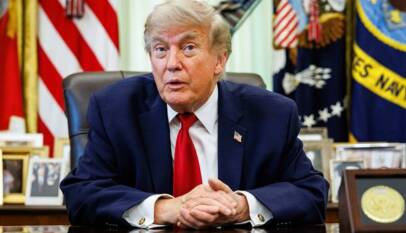
Trump Vows Continued Military Pressure on Iran, Expresses Doubts Over Diplomacy
Washington, Aug 2026: US President Donald Trump has vowed to maintain military pressure on …