US Blockade Costs Iran Billions in Oil Revenue, Tankers Stranded Amid Gulf Tensions

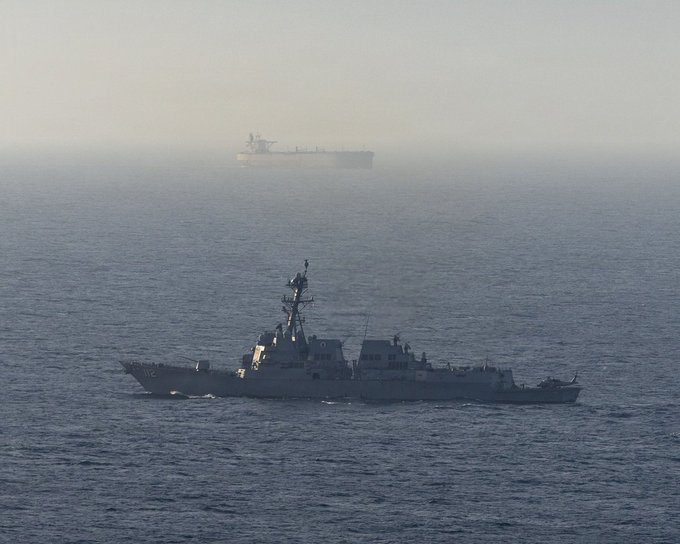
Washington, May 2026 : Iran has incurred an estimated $4.8 billion in lost oil revenue due to a naval blockade imposed by the United States, according to a report by Axios citing unnamed Pentagon officials. The disruption underscores the growing economic impact of maritime restrictions amid heightened tensions involving Iran, the United States, and regional allies.
Officials revealed that at least two oil tankers have been seized during the course of the blockade, while as many as 31 vessels carrying nearly 53 million barrels of crude oil remain stranded in the Gulf. The scale of the backlog highlights the severity of the restrictions on Iran’s oil exports, a key pillar of its economy.
The situation has also forced a shift in global shipping patterns. Some vessels are reportedly opting for longer and more expensive routes to deliver oil, particularly to China, in order to avoid potential interception by US naval forces. This rerouting has added logistical challenges and increased transportation costs, further complicating Iran’s export operations.
The blockade was implemented during a temporary truce, as part of broader efforts by Washington to pressure Tehran into accepting a Pakistan-mediated ceasefire aimed at permanently ending the ongoing conflict involving Israel, the United States, and Iran. While Tehran had announced last month that it had reopened the strategically vital Strait of Hormuz following a 10-day ceasefire between Israel and the Iran-backed Hezbollah in Lebanon, the waterway was soon restricted again after the US declined to lift its naval measures.
Washington has maintained that the blockade will remain in place until a comprehensive and permanent agreement to end hostilities with Iran is reached. The continued restrictions have kept global energy markets on edge, given the Strait of Hormuz’s critical role in facilitating a significant share of the world’s oil shipments.
Meanwhile, US President Donald Trump informed lawmakers that the war against Iran has effectively “terminated,” noting that active hostilities have ceased. In a letter to congressional leaders, Trump stated that there has been no exchange of fire between the two countries since April 7, 2026, and declared that the conflict, which began on February 28, has come to an end.
The announcement comes as the military operation reached the 60-day legal limit under the War Powers Resolution, which requires the president to end military engagement within 60 days unless Congress authorises its continuation. The Trump administration had formally notified Congress of the military action on March 2, setting May 1 as the deadline.
According to reports, the declaration of the conflict’s end is also aimed at easing political tensions in Washington over the need for congressional approval of the military campaign. Despite the cessation of direct hostilities, the continued enforcement of the naval blockade suggests that economic pressure on Iran remains a central component of US strategy.
As geopolitical uncertainties persist, the situation continues to have far-reaching implications for global oil supply chains, regional stability, and international maritime trade.
(The content of this article is sourced from a news agency and has not been edited by the Mavericknews30 team.)






Amarnath Yatra Resumes After Six-Day Rain Halt, Pilgrims Hail Safety Arrangements and Renew Their Journey of Faith
Jammu, July 2026 : The annual Shri Amarnath Yatra resumed on Saturday after remaining susp…

Amarnath Yatra Resumes After Six-Day Rain Halt, Pilgrims Hail Safety Arrangements and Renew Their Journey of Faith
Jammu, July 2026 : The annual Shri Amarnath Yatra resumed on Saturday after remaining …