Pune–Mumbai: From Satavahana Footpaths to the ‘Connecting Link’

The Sahyadri mountain range, which separates the Deccan plateau from the Konkan coast, stands like a natural fort wall carved by nature itself. The ghats that cut through this barrier are proof of human determination against geography. Among them, the Bhor Ghat remains the most historically significant and continuously used route. Today, the Pune–Mumbai journey takes only a few hours, but in earlier times it took several days. The story of this route reflects thousands of years of transformation in travel, technology, and human need.
Satavahana Period: Trade and Early Routes
During the Satavahana era, crossing the Sahyadris became necessary mainly for trade. Coastal ports like Sopara, Kalyan, and Chaul served as major gateways for foreign traders. Evidence of trade with the Roman Empire has been found in places like Junnar and Ter. Goods arriving at these ports had to be transported inland to the Deccan plateau, leading to the formation of early ghat routes.
These were not proper roads but footpaths carved by necessity. Merchant caravans, animals, and people used them despite dangers such as wild animals, robbers, and difficult terrain. Yet these routes survived because they were essential. Along with goods, they carried culture, language, religion, and ideas, turning the Sahyadri range into a bridge of communication rather than a barrier.
Medieval Era: Strengthening the Ghats
During the Yadava, Bahamani, and Adilshahi periods, the use of these routes increased. As kingdoms expanded, faster communication became necessary. The ghats were improved and used more frequently.
However, the real strategic importance came during the time of Chhatrapati Shivaji Maharaj. The Maratha empire established strong control over these routes through a network of forts. Lohagad and Visapur forts overlooked the Bhor Ghat and monitored all movement. The route thus became crucial not only for trade but also for military strategy and defence.
British Era: From Pathways to Stone Roads
After 1818, when the British established control, the Mumbai–Pune link became vital for administration and trade. In the 1830s, construction of a stone road through Bhor Ghat began. This road was designed for bullock carts and horse carriages, marking the first engineered transformation of the route.
This was the modern beginning of the Pune–Mumbai corridor—turning ancient footpaths into structured infrastructure.
Railway Revolution
In 1863, the Great Indian Peninsula Railway built a railway line through the Bhor Ghat. This was a major engineering challenge involving tunnels, bridges, and rock cutting. It revolutionised travel, making it faster, safer, and more regular.
Post-Independence Development
After independence, the route was upgraded into a national highway. Due to rising traffic and accidents, the Mumbai–Pune Expressway was inaugurated in 2002, India’s first six-lane expressway. It drastically reduced travel time and boosted regional development.
Industrial and IT Growth
The expressway transformed Pune into a major industrial and IT hub. Areas like Hinjewadi, Chakan, and Ranjangaon saw rapid growth. Mumbai–Pune became a strong economic corridor, enabling same-day business travel and expanding logistics and services.
Real estate, education, tourism, and urban development flourished, especially in Pune and surrounding regions.
The ‘Connecting Link’ Project: A New Chapter
Despite the expressway, the Lonavala–Khandala ghat stretch remained accident-prone. To address this, the Missing Link project was launched, reducing the distance by about 6 km and saving nearly 30 minutes of travel time. The project, worth ₹6,695 crore, was inaugurated on Maharashtra Day.
It includes twin tunnels and high bridges, including an 8.92 km tunnel and a 184-metre cable-stayed bridge—an engineering marvel equipped with advanced safety systems, ventilation, and digital monitoring.
Engineering Excellence and Challenges
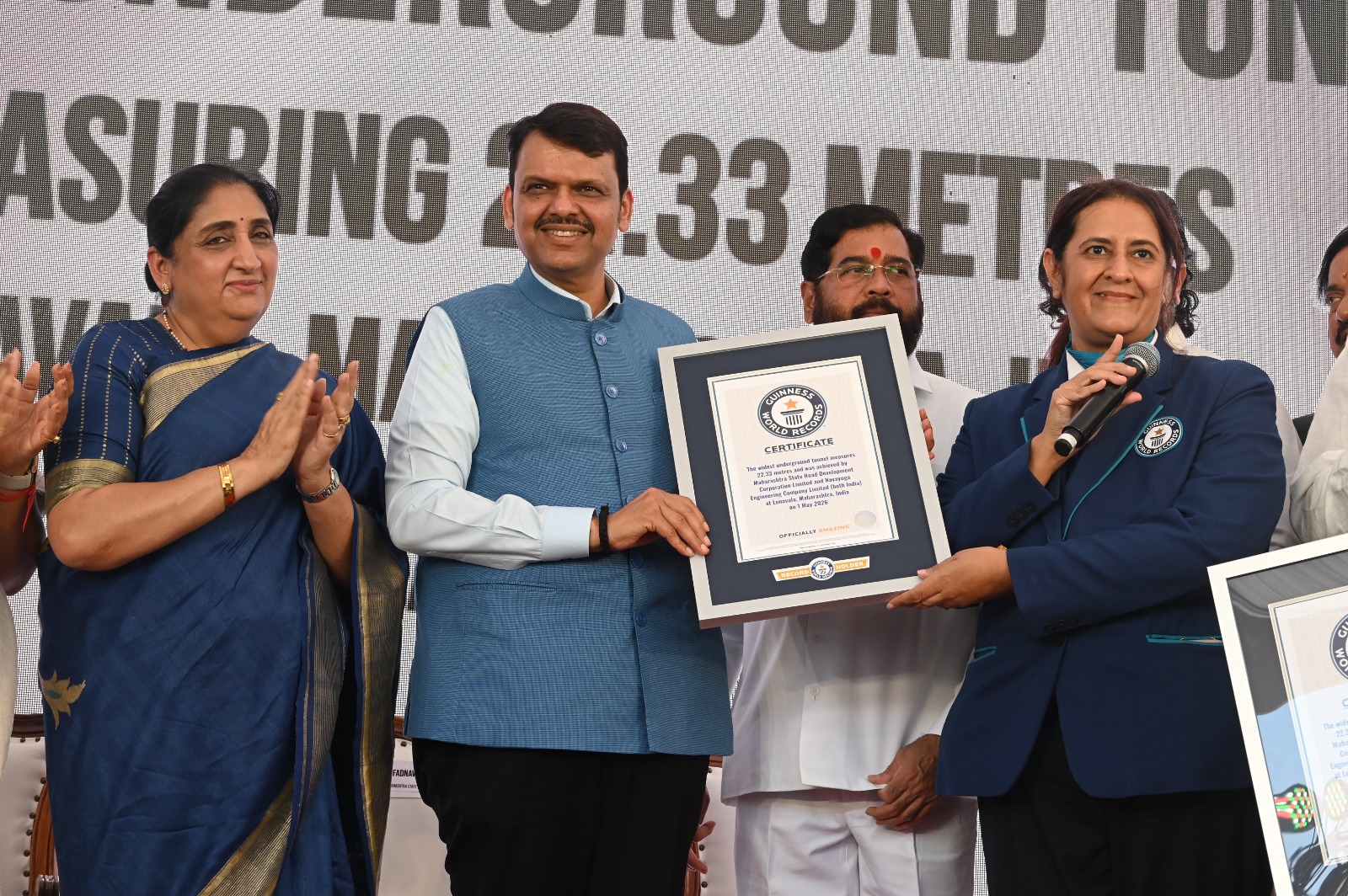
The project overcame major challenges including terrain, weather, COVID delays, and forest permissions. It also achieved a Guinness World Record for the widest underground tunnel (22.33 metres).
Advanced safety systems such as jet fans, emergency passages, and automatic incident detection ensure secure travel through tunnels.
Conclusion
From Satavahana-era footpaths to the modern Connecting Link, the journey across the Sahyadris has evolved dramatically. While the mountains remain unchanged, the ways of crossing them have transformed with time. This corridor is not just a route—it is a living bridge connecting history, present progress, and future possibilities.





Shivakumar Says Congress United, Assures Women Will Get Cabinet Berth
Bengaluru, Aug 2026 : Karnataka Chief Minister D.K. Shivakumar on Monday sought to dismiss…
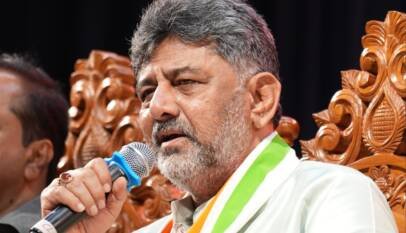
Shivakumar Says Congress United, Assures Women Will Get Cabinet Berth
Bengaluru, Aug 2026 : Karnataka Chief Minister D.K. Shivakumar on Monday sought to dismiss …