Baltic Nations Reassess China Ties Amid Concerns Over Beijing’s Support for Russia

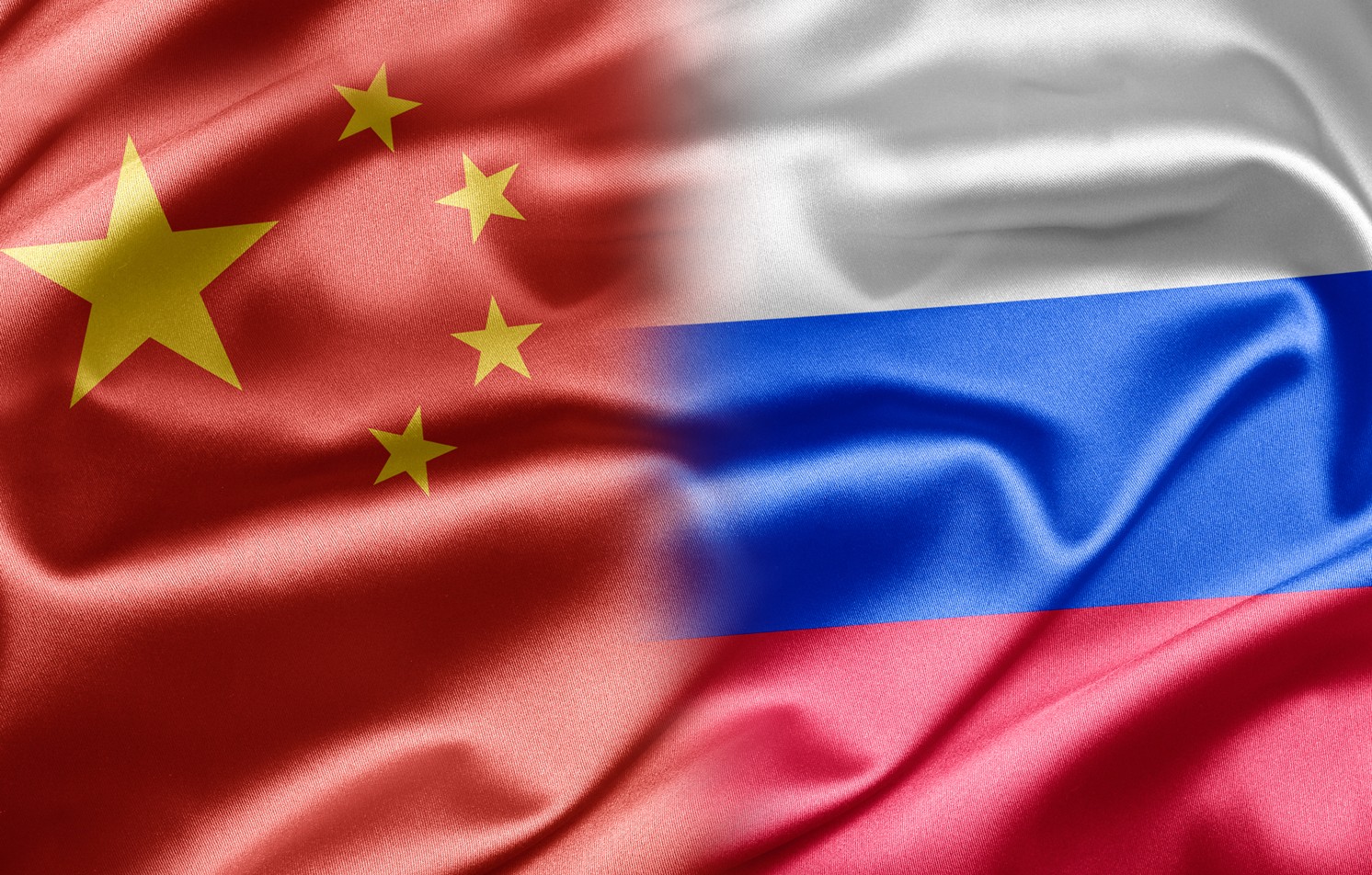
Washington, May 2026 : Senior US lawmakers and State Department officials have warned that China’s growing support for Russia’s military-industrial network is significantly altering the strategic outlook of the Baltic nations, with Estonia, Latvia and Lithuania increasingly viewing their economic engagement with Beijing as a national security concern closely tied to the war in Ukraine.
The concerns surfaced during a hearing of the House Foreign Affairs Subcommittee on Baltic security, where American lawmakers described the three Baltic states as some of Washington’s strongest allies in countering both Russian aggression and expanding Chinese influence in Europe.
Deputy Assistant Secretary of State Christopher Smith told lawmakers that the Baltic governments were steadily re-evaluating their political and economic ties with China due to Beijing’s backing of Russia’s defence sector during the ongoing Ukraine conflict.
“China provides about 80 per cent of dual-use goods for the Russian defence industrial base,” Smith said during the hearing.
He added that the Baltic countries were now “drawing conclusions and cooling their economic relations with China” as a direct consequence of Beijing’s support for Moscow.
The remarks come amid growing concerns across Europe and the United States that China has become a vital economic and technological lifeline for Russia as the Ukraine war enters its fourth year. Western officials believe Chinese exports of dual-use technologies and industrial goods have helped sustain Russia’s defence manufacturing capacity despite international sanctions.
Senior members of the subcommittee noted that the Baltic states — all frontline NATO members bordering or located near Russia — have become increasingly cautious about Chinese investments, infrastructure projects and technology partnerships.
Representative William Keating, the ranking member of the committee, said China was carefully observing developments in Ukraine and closely studying NATO’s response along its eastern flank.
“Our strategic policy towards China is one of deterrence,” Keating remarked, while asking whether Beijing was analysing the Ukraine war and Baltic security environment as part of its broader calculations concerning Taiwan.
Christopher Smith agreed, stating that China was “certainly studying the war in Ukraine” and evaluating global responses to the conflict.
Republican lawmakers also raised concerns over Chinese economic coercion and influence operations within Europe. Representative Young Kim pointed to Lithuania’s 2021 decision to allow Taiwan to establish a representative office using the name “Taiwanese”, a move that triggered severe diplomatic and economic retaliation from Beijing.
Kim questioned whether Lithuania had softened its position toward China following recent discussions about restoring limited bilateral engagement. However, Smith maintained that Lithuania continued to remain “a leading voice” within Europe against Chinese coercive tactics.
“My impression is the Baltic states, as they view their relationships with China, they are looking very carefully at China’s support for Russia in Ukraine,” he said.
Lawmakers from both Democratic and Republican parties praised Estonia, Latvia and Lithuania for their strong support for Ukraine since Russia launched its full-scale invasion in 2022. The Baltic countries have consistently exceeded NATO defence spending targets and have emerged among Kyiv’s most vocal military and political supporters.
Smith revealed that Baltic governments had already begun removing Chinese components from critical communication systems and were working closely with the United States to strengthen secure supply chains and reduce strategic dependence on Beijing.
Republican Representative Randy Fine said China was increasingly being viewed as a direct strategic challenge even in regions geographically distant from Asia.
“China is becoming an enemy of these countries as well, even though it can seem very, very far away,” Fine observed during the hearing.
The Baltic states, all former Soviet republics that joined NATO in 2004, have sharply increased military spending over the past two years amid concerns that Russia could eventually intensify pressure on NATO’s eastern borders.
Officials and analysts believe the Ukraine conflict has fundamentally reshaped the Baltic nations’ approach not only toward Russia, but also toward China, with economic policy now increasingly being viewed through the lens of national security and geopolitical stability.
(The content of this article is sourced from a news agency and has not been edited by the Mavericknews30 team.)





Chandrababu Naidu Reviews Preparations for PM Modi’s August 1 Inauguration of Bhogapuram International Airport
Amaravati, July 2026 : Andhra Pradesh Chief Minister N. Chandrababu Naidu on Monday conduc…

Chandrababu Naidu Reviews Preparations for PM Modi’s August 1 Inauguration of Bhogapuram International Airport
Amaravati, July 2026 : Andhra Pradesh Chief Minister N. Chandrababu Naidu on Monday conducted …