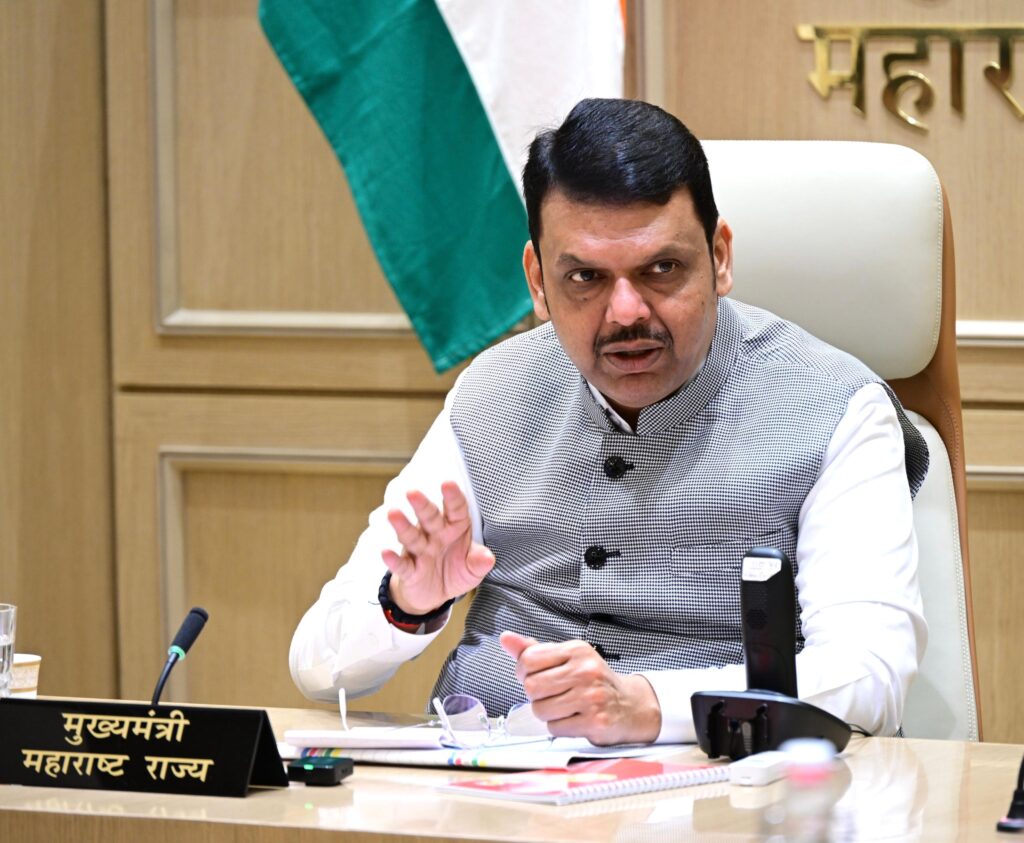
Build a Robust Charging Network for E-Buses: Chief Minister Devendra Fadnavis

Target to Convert Entire ST Fleet into E-Buses by 2047 Under ‘Viksit Maharashtra’ Vision
Mumbai, June 2026 : Maharashtra Chief Minister Devendra Fadnavis has directed officials to expedite the development of charging infrastructure required for electric buses, as part of the state’s ambitious plan to transform the Maharashtra State Road Transport Corporation (MSRTC) fleet into a fully electric fleet by 2047 under the “Viksit Maharashtra” vision.
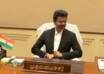
Chairing a meeting on the deployment of e-buses at his official residence, Varsha, the Chief Minister outlined a phased roadmap for electrification of the state transport fleet. According to the plan, 50 per cent of the ST fleet will be converted into e-buses by 2029, 80 per cent by 2035, and 100 per cent by 2047.
The meeting was attended by Transport Minister Pratap Sarnaik (via video conferencing), Additional Chief Secretary to the Chief Minister Lokesh Chandra, Additional Chief Secretary Sanjay Sethi, MSRTC Vice Chairman and Managing Director Dr. Madhav Kusekar, the Chief Minister’s Investment Advisor Kaustubh Dhavse, Deputy Secretary Chetan Nikam, and other senior officials.
During the meeting, Chief Minister Fadnavis emphasized the need for a comprehensive ecosystem to support the large-scale adoption of electric buses across the state.
He instructed officials to use Artificial Intelligence (AI) technology to study routes where environmentally friendly e-buses are planned to operate. Such assessments, he said, would help optimise operations, charging requirements, and service efficiency.
The Chief Minister also directed that every new electric bus supplied to the corporation should undergo inspection within seven days of delivery to ensure quality and operational readiness.
Fadnavis further suggested analysing routes currently served by private bus operators and developing electric bus alternatives for those corridors, enabling the state transport undertaking to expand its clean mobility footprint while improving passenger services.
The Chief Minister highlighted that Maharashtra’s existing Electric Vehicle Policy encourages the adoption of e-buses in public transportation. Under the policy, financial incentives are available for up to 1,500 electric buses, with subsidies covering 10 per cent of the bus cost or up to Rs 20 lakh per vehicle, whichever is applicable.
He noted that the policy is a crucial step toward building an environmentally sustainable and efficient public transportation system across Maharashtra.
Fadnavis also reviewed the progress of the 5,150 e-bus project currently being implemented by MSRTC under the Gross Cost Contract (GCC) model. Describing it as one of the corporation’s most ambitious initiatives, he said the project would significantly modernise public transport services in the state.
“The deployment of these electric buses will provide passengers with modern, comfortable, and pollution-free travel facilities while contributing to Maharashtra’s environmental and sustainability goals,” the Chief Minister said.
The initiative forms a key part of the state government’s long-term strategy to reduce carbon emissions, promote clean mobility, and create a future-ready public transport network that supports Maharashtra’s broader development and climate objectives.
NCC Holds Cyclothon 2026 to Mark 79th Independence Anniversary
The National Cadet Corps (NCC) organised Cyclothon 2026 on August 02, 2026 in New Delhi to…
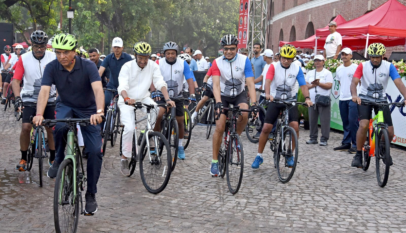
NCC Holds Cyclothon 2026 to Mark 79th Independence Anniversary
The National Cadet Corps (NCC) organised Cyclothon 2026 on August 02, 2026 in New …